When running a modern fitness center, providing a clean, secure, and organized environment is just as important as offering top-tier equipment. One essential yet often overlooked component is locker storage. If you’re planning to buy gym lockers, investing in durable, functional, and well-designed storage solutions can significantly enhance member experience while protecting personal belongings.
From commercial gyms and yoga studios to recreation centers and school fitness facilities, the right lockers improve safety, efficiency, and aesthetics. In this guide, we’ll explore why gym lockers matter, what types are available, and how to choose the best option for your facility.

Gym lockers do more than store bags and clothes. They contribute to your brand image and daily operations. Members expect secure and convenient storage when they walk into a fitness facility.
High-quality lockers help:
When you buy gym lockers, you’re investing in trust and professionalism that members notice immediately.
Choosing the right locker starts with understanding the available options. Modern lockers are designed to meet different space, budget, and usage needs.
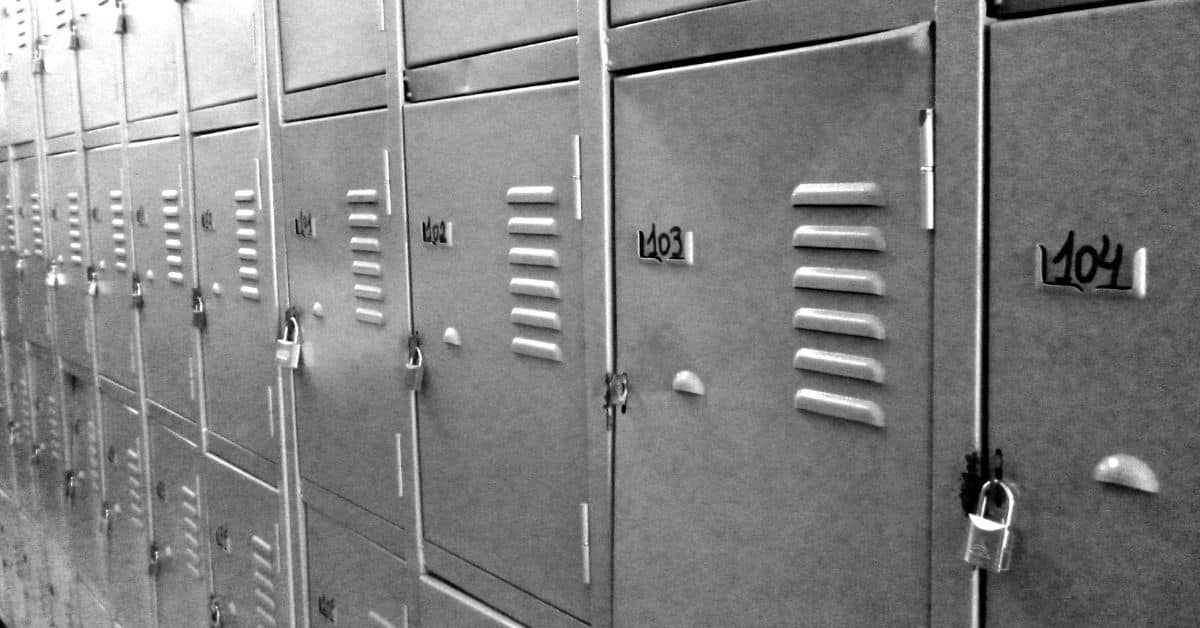
Metal lockers are a popular choice for high-traffic gyms. They’re durable, easy to clean, and resistant to daily wear and tear. These lockers often feature ventilation slots to prevent odors and moisture buildup.
Plastic and phenolic lockers are ideal for humid environments like pools and spas. They resist rust, mold, and corrosion, making them perfect for long-term use.
For boutique gyms and upscale fitness studios, wooden or laminate lockers add a premium aesthetic. While stylish, they require more maintenance than metal or plastic options.
Day-use lockers work well for gyms with rotating members, while permanent lockers are often rented monthly. Your choice depends on your business model and member preferences.
Budget plays a major role when outfitting a gym. Many facility owners consider buy used lockers as a cost-effective alternative.
High-quality used lockers for sale are often refurbished and inspected, ensuring they still meet performance standards.
When purchased from a reputable supplier, used lockers can offer excellent value without compromising functionality.
Deciding between new and used lockers depends on your priorities.
| Factor | New Lockers | Used Lockers |
| Cost | Higher | More affordable |
| Customization | Extensive | Limited |
| Lifespan | Longer | Depends on condition |
| Availability | May require lead time | Often immediate |
If branding and customization matter most, new lockers may be the better choice. However, if budget efficiency is key, used lockers for sale can deliver strong performance at a reduced cost.
Before making a purchase, evaluate lockers based on these critical features:
Choose lockers designed for heavy daily use. Reinforced doors and quality materials extend lifespan.
Reliable locking systems—keyed, combination, or digital—are essential to protect member belongings.
Proper airflow prevents odor buildup and improves hygiene.
Ensure lockers accommodate gym bags, shoes, and personal items comfortably without wasting space.
Smooth surfaces and rust-resistant materials make cleaning faster and more efficient.
Maximizing locker room space is crucial for both comfort and traffic flow. Measure your available area carefully and consider locker height, depth, and aisle spacing.
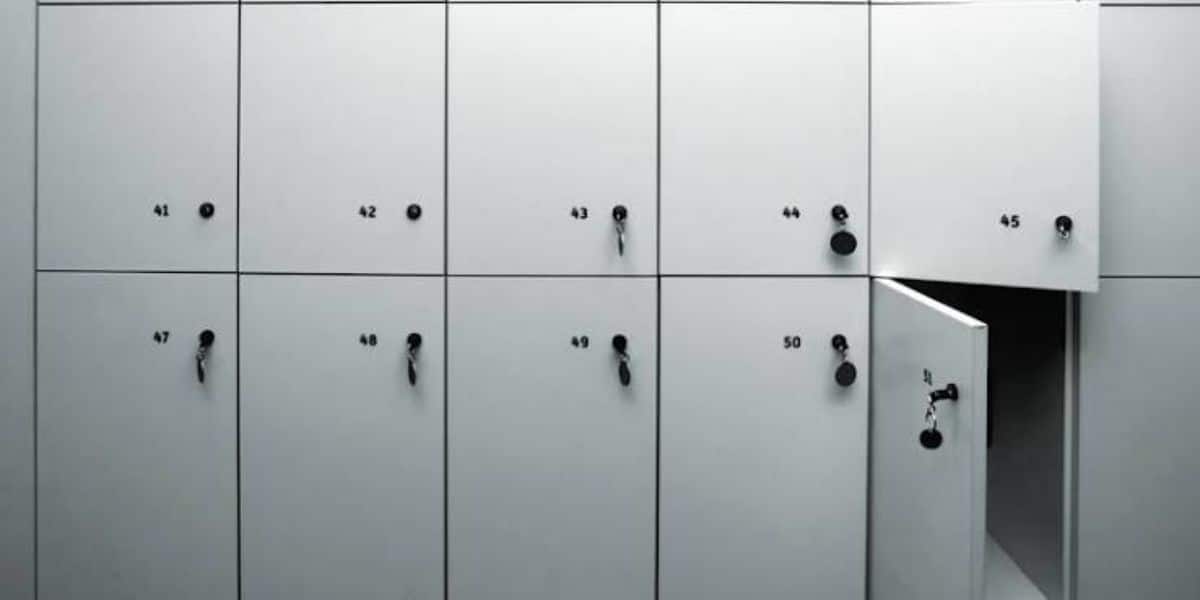
Stacked lockers are ideal for compact areas, while full-height lockers work well in larger facilities. Also, plan for ADA-compliant lockers to ensure accessibility for all members.
Professional installation helps prevent alignment issues and ensures lockers remain secure over time.
When searching for a locker for sale, always work with a supplier that understands commercial fitness environments. Look for:
A reliable supplier ensures your lockers meet safety and durability expectations while fitting your budget.
While lockers may seem like a secondary investment, their impact is long-lasting. Well-built lockers reduce replacement costs, improve member satisfaction, and elevate the overall perception of your gym.
Whether you choose brand-new units or buy used lockers, quality storage solutions help your fitness center operate smoothly and professionally.
To successfully buy gym lockers, it’s essential to balance durability, security, budget, and design. From high-traffic commercial gyms to boutique fitness studios, the right lockers support daily operations and enhance the member experience. With options ranging from new installations to high-quality used lockers for sale, gym owners have flexible solutions to meet their needs. Investing in reliable locker storage today sets the foundation for a safer, more organized, and more appealing fitness facility.
1. What is the best material for gym lockers?
Metal and phenolic lockers are the most popular due to their durability, moisture resistance, and ease of maintenance.
2. Is it safe to buy used lockers for a gym?
Yes, when purchased from a reputable supplier, used lockers are inspected and refurbished to ensure functionality and safety.
3. How many lockers does a gym need?
This depends on membership size, peak usage hours, and whether lockers are day-use or permanently assigned.
4. Are lockers customizable for branding?
New lockers often allow customization in colors and configurations, while used lockers offer limited customization options.
5. How long do gym lockers typically last?
High-quality lockers can last 10–20 years or more with proper maintenance, even in high-traffic environments.