
The Problem With Open Shelving in a Garage
Open shelving looks like a fix at first. You stack a few bins, line up some totes, and for a week or two the garage looks tidy. Then reality sets in. Dust settles on everything that isn’t covered, spiders find their way into open corners, and anything remotely valuable is visible to anyone who walks past an open garage door. Kids’ bikes, seasonal gear, and power tools end up jumbled together because shelving doesn’t separate categories the way a dedicated compartment does. There’s also the humidity issue. Garages swing in temperature more than almost any other room in the house, and open shelves do nothing to protect what’s sitting on them. Cardboard boxes soften, metal tools rust, and fabric items pick up a musty smell that never quite goes away.What Makes Garage Lockers Different
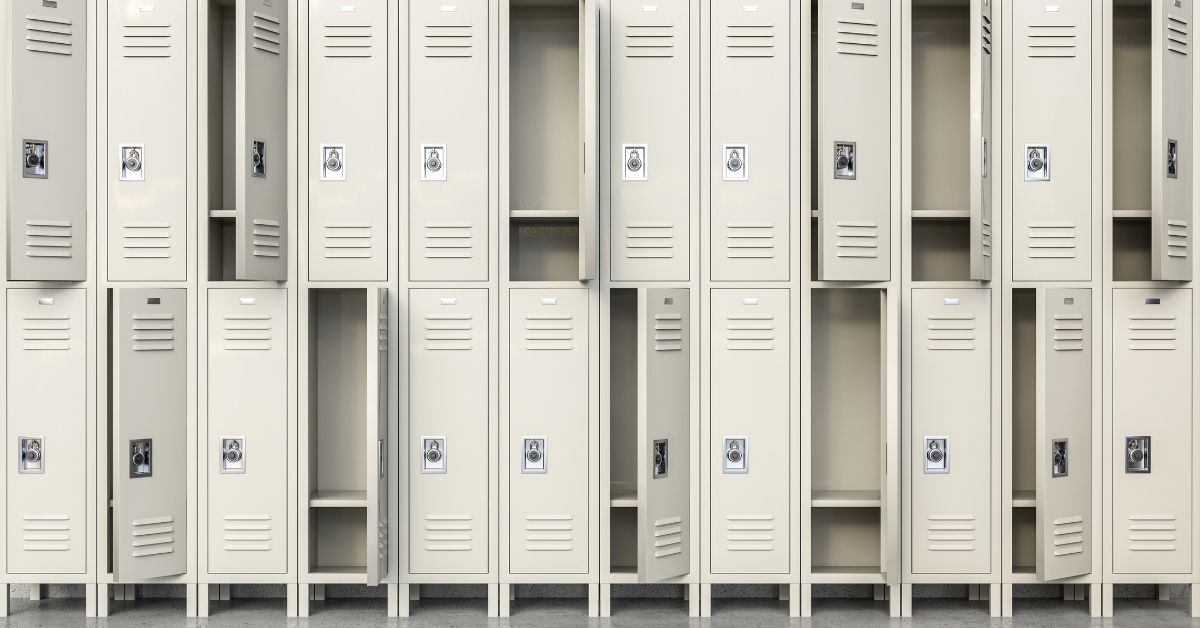
A locker isn’t just a box with a door. It’s a sealed compartment that keeps contents separated from dust, moisture, and pests, while giving you a clear visual system for what goes where. Garage lockers work well because they’re modular. You can line a wall with matching units sized for skis, golf bags, or bins of holiday lights, and each one closes completely instead of leaving contents exposed to the room. For families who share a garage between multiple people, this matters more than it sounds like it should. One locker for each family member’s gear means nobody digs through someone else’s stuff looking for their own. If you’re comparing options, it helps to look at the full range of new lockers before deciding on a layout, since not every garage needs the same configuration.Security You Can’t Get From a Shelf
This is where garage lockers really separate themselves from open shelving. A shelf has no lock, no door, and no way to keep curious hands or wandering pets away from what’s stored on it. Lockers close and latch, and many models support padlocks or built-in locking hardware for anything you’d rather keep secured, from expensive tools to firearms accessories. If your garage doubles as a workshop, this becomes even more important. Sharp tools, chemicals, and equipment that shouldn’t be within easy reach of kids belong behind a door, not out in the open. Pairing lockers with guard rails along high-traffic walls adds another layer of protection, especially in garages where vehicles or equipment move around regularly.Weatherproofing and Durability Over Time
Open shelving is usually made from thin wire or particleboard, materials that were never designed to handle the swings in temperature and humidity a garage sees throughout the year. Garage lockers, on the other hand, are typically built from powder-coated steel or heavy-duty plastic, both of which resist rust, warping, and moisture damage far better than anything you’d find on a big-box store shelving unit. That durability adds up over the years. A shelf might need replacing after a couple of seasons of exposure to garage conditions, while a well-built locker can last for decades without losing its shape or function. If you’re weighing the upfront cost against how often you’d replace flimsy shelving, lockers usually win on a per-year basis, not just on day one. Pairing your locker wall with a set of locker accessories like shelf inserts or coat hooks stretches that durability even further by keeping items off the locker floor.Making the Most of Limited Garage Storage
Most garages weren’t designed with storage in mind. They’re built around the car, and everything else gets squeezed into whatever space is left over. That’s exactly why garage storage tends to spiral out of control so quickly; there’s no built-in system, so people improvise with whatever shelving unit was on sale that week.
Lockers flip that approach. Instead of adapting your belongings to leftover space, you design a wall around what you actually need to store. A family with kids in multiple sports might dedicate one locker per child for cleats, helmets, and bags. A homeowner with seasonal decor might use taller units for bins that only come out twice a year. Either way, the garage storage plan starts with your actual inventory, not with whatever shelving happened to fit in the trunk on the drive home from the hardware store.
This kind of planning also protects your investment in the garage itself. Floors stay clearer, walls stay cleaner, and the space becomes something you can actually use for a workbench or a second vehicle instead of a room-sized junk drawer.
Getting the Right Fit for Your Space
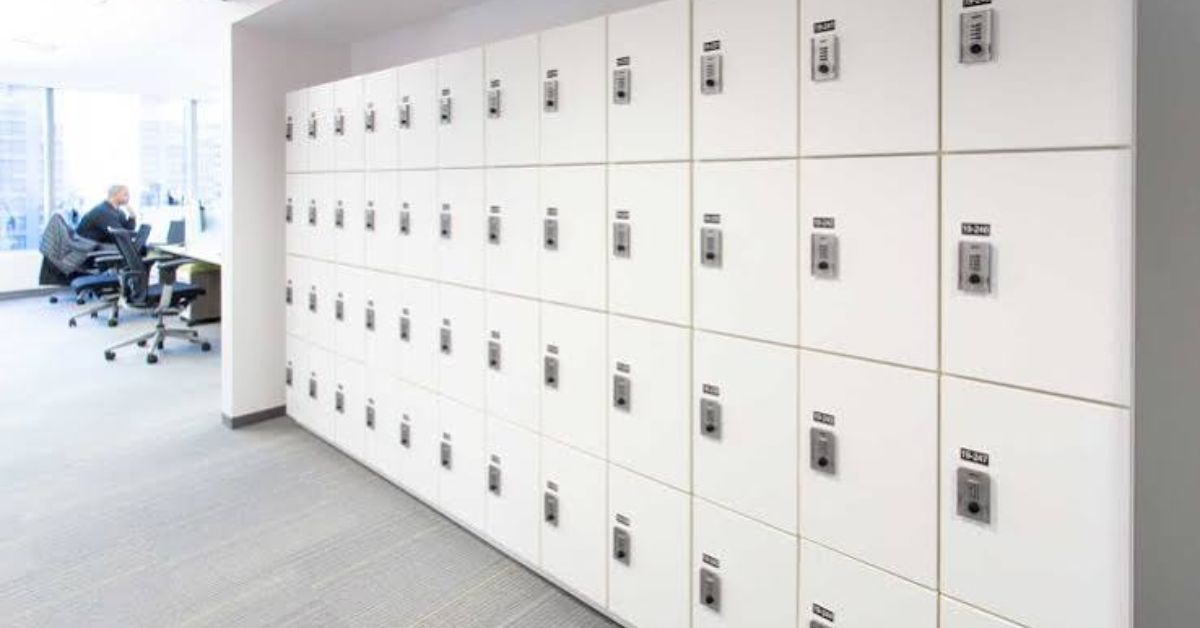
Not every garage needs the same setup, which is why sizing and configuration matter before you commit to a wall of lockers. Narrow garages benefit from tall, slim units that maximize vertical space, while wider garages have room for full-height banks with built-in bench seating. Lockers Unlimited has spent decades helping homeowners and businesses figure out exactly which configuration fits their space, rather than pushing a one-size-fits-all product. It’s worth measuring your available wall space and thinking through what you actually need to store before ordering. A quick look at custom storage lockers designed for every type of space can help you picture how a finished wall would look, and professional installation means you won’t be stuck assembling a dozen units on a Saturday afternoon. Once you’ve lived with a properly organized garage for even a month, going back to open shelving starts to feel like a step backward. The difference isn’t just aesthetic — it’s the daily convenience of knowing exactly where everything is and trusting that it’s protected while it sits there. If you’d rather not tackle the wall layout alone, the professional installation services available through most locker suppliers take the guesswork out of the process entirely.FAQs
Are garage lockers worth it for a small garage?
Yes, especially in small garages where wasted space is the biggest complaint. Slim, vertical locker units make better use of limited wall space than bulky open shelving, and they keep the floor clear for parking or workbenches.
Can garage lockers be locked?
Most locker models support padlocks, built-in cam locks, or keyed hardware. This makes them a practical choice for tools, chemicals, or anything else you’d rather keep away from kids or visitors.
How do garage lockers compare in cost to shelving?
Lockers usually cost more upfront than basic wire shelving, but they last longer and protect their contents better, which often makes them the more economical choice over several years.
Do garage lockers help with humidity and moisture problems?
Enclosed lockers made from steel or heavy-duty plastic handle temperature swings and moisture far better than open shelving, reducing the risk of rust, mildew, and warped cardboard.
Can I mix lockers with other storage in my garage?
Absolutely. Many homeowners pair lockers with shelving for bulk items and guard rails to protect walls from vehicle doors, creating a layered storage system rather than relying on one product type.
How long does it take to install garage lockers?
Installation time depends on the number of units and configuration, but professional teams typically complete a standard residential garage setup in a single day, so you’re not left waiting weeks to use the space.