
Good storage for a school, gym, or office sounds simple until you’re three quotes deep and still unsure who to trust. This covers the locker types worth knowing, what to check before ordering, and the questions that separate decent suppliers from frustrating ones.
Some locker suppliers carry two SKUs and ship from a warehouse several states away. Others will help you map out the floor plan, pick configurations, and still pick up the phone after delivery. The gap shows up in lead times, product quality, and what happens when a unit arrives dented.
Charlotte has grown fast more schools, more gyms, more corporate buildouts and more suppliers trying to capitalize. Not all of them are worth your time.
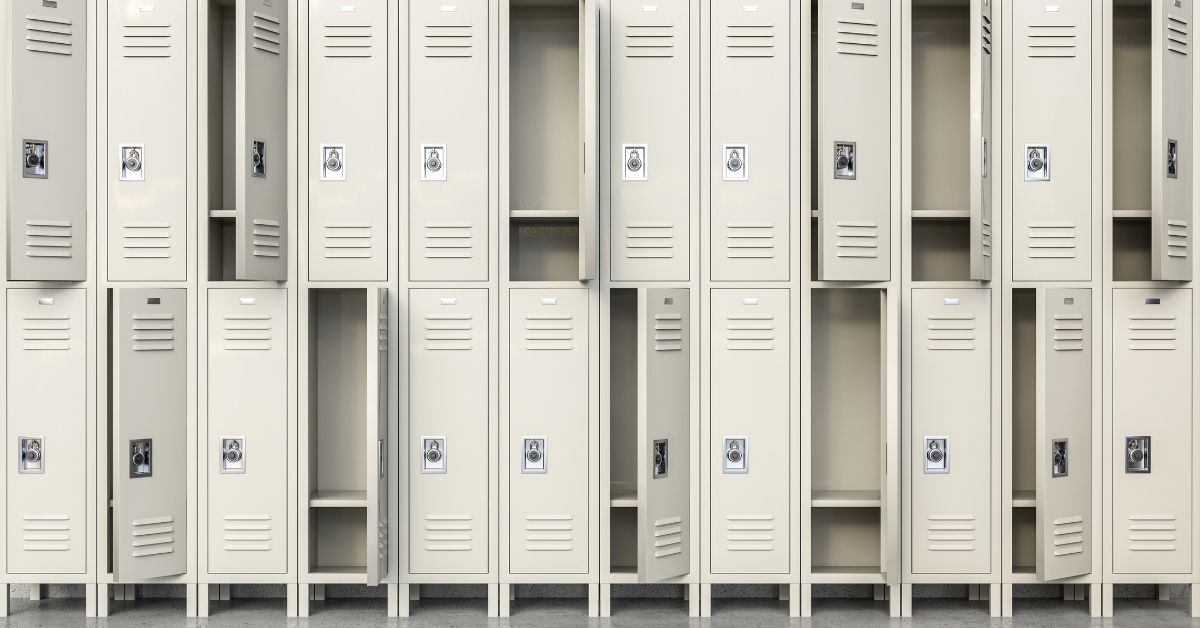
Metal lockers are the default for good reason. Steel holds up under daily abuse. Schools, gyms, industrial facilities if you need volume at a reasonable price and expect the lockers to still be there in 25 years, start here.
Plastic lockers (HDPE) belong anywhere humidity is constant: pool decks, spa areas, locker rooms. They don’t rust, don’t grow mold, and wipe down easily.
Wood lockers show up in country clubs, upscale fitness studios, and corporate spaces where the look matters as much as function. They cost more and fit spaces where steel would feel wrong.
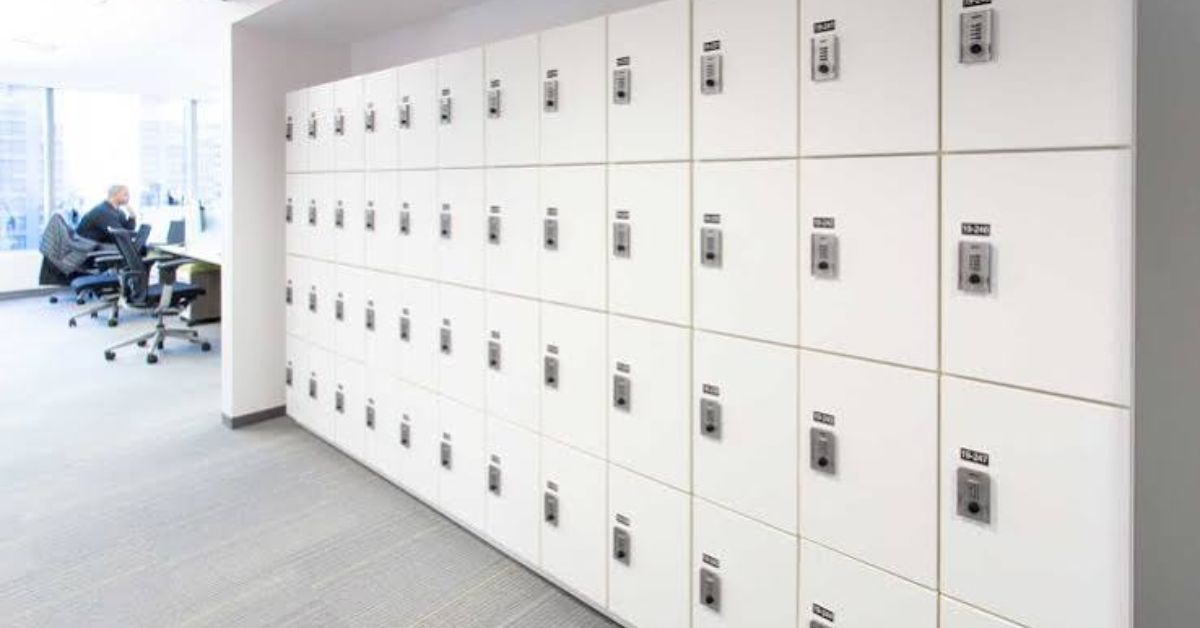
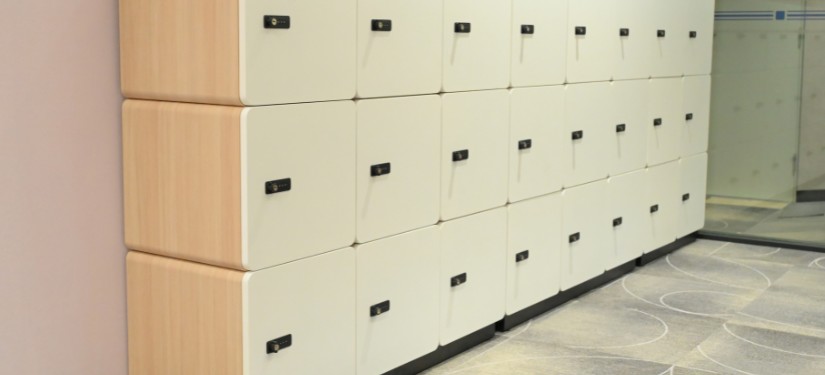
Laminate lockers split the difference better aesthetics than metal, more durable than real wood, available in a range of finishes. Common in modern facilities that want something other than the traditional grey box.
Specialty lockers charging lockers, parcel lockers, ventilated athletic lockers cover unusual use cases. If your needs are specific, ask early whether the supplier can actually customize or just says they can.
Material specs. For metal, ask the gauge lower number means thicker steel, better resistance to dents over time. For plastic, ask about HDPE density. A supplier who blanks on these questions probably isn’t one you want.
Lock types. Key locks, combination locks, padlock hasps, electronic keypads, RFID there’s no universal right answer. A high school has different security needs than a corporate office. Know your users before you pick.
Configuration. Single-tier gives each person more space. Double- and triple-tier fit more users into the same footprint. Think about what people actually need to store, not just how many units you can squeeze in.
Color. Schools want to match their colors. Corporate facilities want to match their interiors. Ask whether the supplier powder-coats in-house or uses standard factory runs, and whether custom color matching is possible.
Warranty specifics. A “10-year warranty” can mean almost anything. Ask what’s covered, what isn’t, how claims are filed, and how long replacements take to arrive. Vague answers here are a flag.
If a supplier gets evasive on lead times or warranty terms, take note.
A national distributor might price-match, but when a shipment shows up short or a unit is damaged, you want someone with a local stake in fixing it. Local suppliers know regional building codes, can meet in person, and are generally easier to hold accountable when something goes sideways.
Lockers Unlimited serves facilities across the Southeast including Charlotte, with a focus on plastic lockers and a broad general catalog. Worth contacting if you’re comparing options early.
Lockers aren’t something you want to buy twice. Cheap suppliers tend to show their limitations slowly after delivery, after installation, after the warranty claim gets complicated. Compare carefully, ask specific questions, and don’t weight price so heavily that support and durability fall off your list.
Best locker type for Charlotte schools?
Steel single- or double-tier for hallways. HDPE plastic for gym and locker room areas humidity will eventually destroy metal finishes, and plastic sidesteps that entirely.
How long does an order take?
Standard orders: 2–4 weeks. Custom or large orders: 4–8 weeks, sometimes longer. Ask for a current lead time supply chain timelines still vary more than they used to.
Can I get lockers in our brand or school colors?
Usually yes, via powder coat. Custom color matching is available from some suppliers at extra cost. Verify before assuming.
Does installation come with the order?
Often yes, but not always as part of the base quote. Clarify upfront.
Any eco-friendly options?
HDPE plastic lockers are made from recycled material and recyclable at end of life. Some suppliers carry sustainably sourced wood options.
How long do commercial lockers last?
Steel: 20–30 years with maintenance. Plastic and laminate: 15–25 years, depending on environment and usage.