

When you’re building or renovating a fitness facility in Charlotte, the locker room is one of the most operationally critical spaces you’ll design. Members spend real time there before workouts, after showers, during their transition in and out of the gym floor. A poorly planned locker room leaves a lasting negative impression. A well-executed one quietly reinforces why members keep coming back.
This guide covers everything you need to know about gym locker installation in Charlotte from planning your layout and choosing the right locker types, to understanding bench requirements, accessory needs, and how to find the right installation partner for your project.

It’s tempting to treat locker installation as a simple assembly task. In reality, it’s a multi-step process that involves structural assessment, floor preparation, precise alignment, proper anchoring, and coordination with other locker room elements like benches, shelving, and plumbing.
When gym locker installation in Charlotte is done by experienced professionals, you get units that are level, stable, and safely secured not just stacked in a row and bolted loosely to a wall. You also get proper sequencing that accounts for adjacent fixtures, ventilation gaps, ADA compliance, and aisle clearance.
Facilities that cut corners on installation often end up paying more later correcting alignment issues, re-anchoring units that shift over time, or replacing lockers that degrade faster due to poor placement in moisture-heavy zones. Investing in professional installation services from the start protects your investment and your members’ experience.
Before a single locker is ordered, your layout needs to be mapped out. This is arguably the most important step in the entire process, and it’s where most facilities make avoidable mistakes.
Get accurate measurements of the room wall-to-wall dimensions, ceiling height, door placements, window locations, and plumbing or electrical fixture positions. Mark out where benches will sit and ensure aisles are at least 5 to 6 feet wide to accommodate two-way foot traffic and ADA wheelchair clearance requirements.
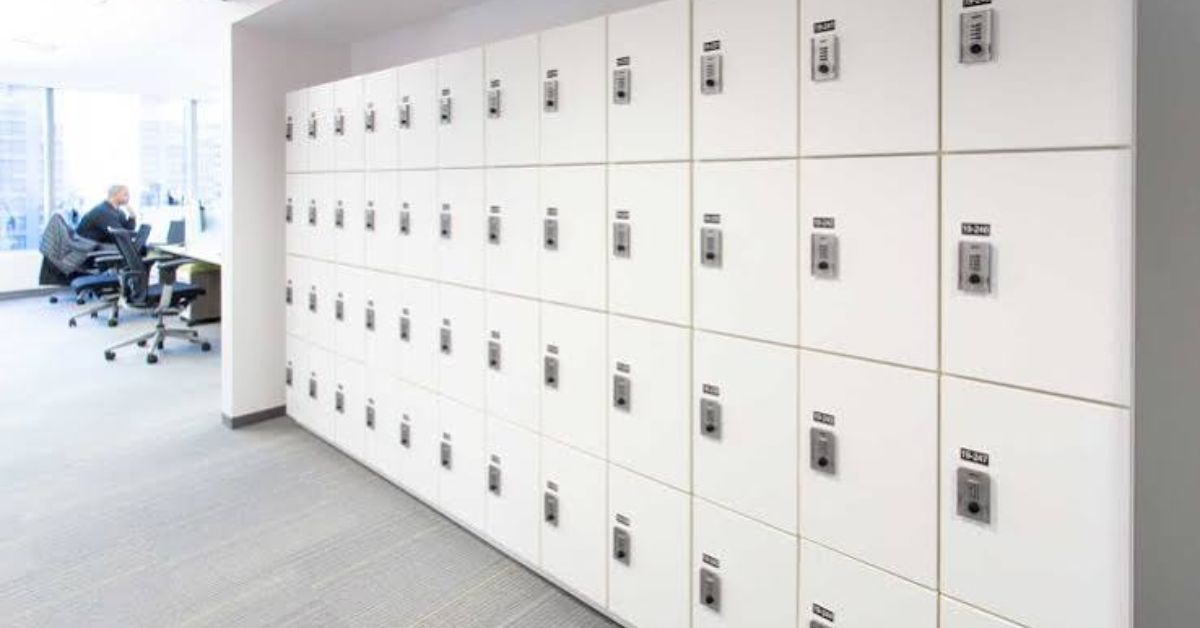
Lockers come in single-tier (full height), double-tier (stacked two high), triple-tier, and box configurations. Your membership profile should guide this choice. A high-end health club or boutique gym typically opts for full-length single-tier lockers with generous interior space. A high-volume budget gym may find double-tier or triple-tier units more efficient for maximizing locker count per square foot.
Think about whether lockers will be assigned to members or used on a day-use basis, as this affects door lock type, numbering systems, and overall design.
Charlotte’s humid summers mean locker room moisture management is a real concern. Position lockers to allow airflow, avoid sealing units tightly against wet walls, and consider louvered door designs that promote ventilation inside each compartment. This simple consideration dramatically extends the lifespan of your lockers and keeps odors from becoming a problem.
The type of locker you choose shapes both the aesthetic and the functionality of your locker room for years to come. Here’s a breakdown of the main options.
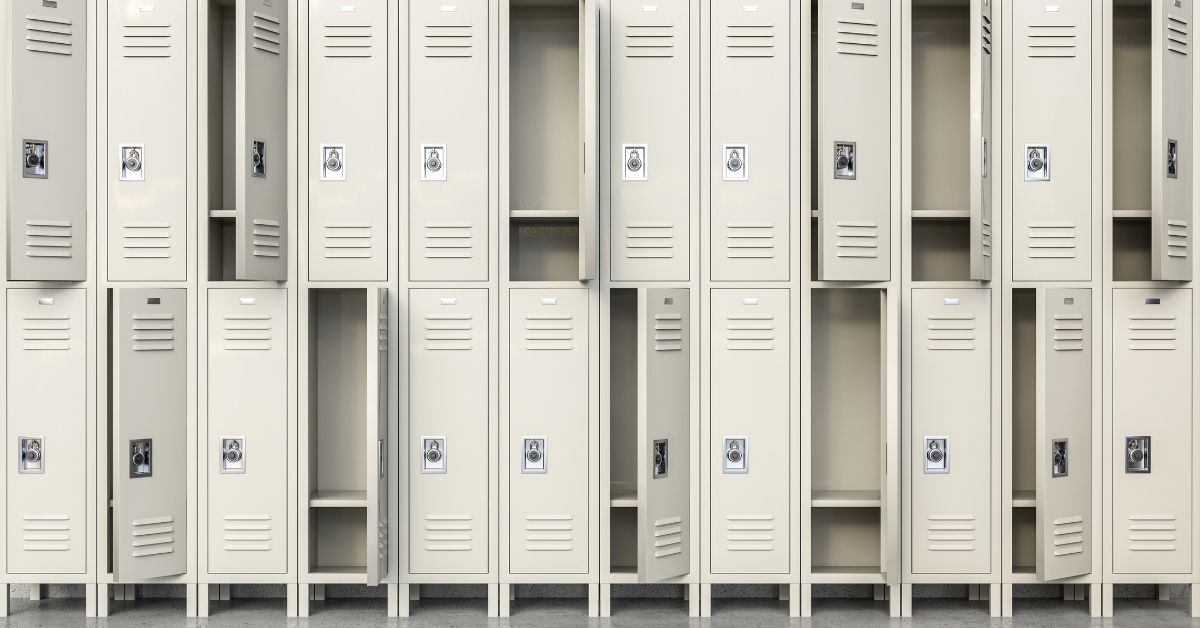
Steel lockers remain the most widely used option in gym and athletic settings. They’re durable, cost-effective, and available in an enormous range of sizes, configurations, and color finishes. New lockers with powder-coated finishes resist scratching and corrosion, making them well-suited to the daily wear and tear of a busy fitness center. They’re also easy to repair and replace individual components when needed.
For facilities with pool decks, steam rooms, or open shower areas, plastic lockers are a superior choice. They won’t rust, corrode, or absorb moisture, and they’re straightforward to clean with commercial disinfectants. Their higher upfront cost is offset by reduced maintenance and longer service life in wet environments.
Budget-conscious facilities should seriously consider used locker inventory as a practical option. Professionally refurbished lockers are inspected, cleaned, and restored to solid working condition offering substantial savings without sacrificing functionality. This is particularly useful for phased renovation projects or startup gyms building out their first locker room.
Locker room benches in Charlotte NC are a non-negotiable part of any complete locker room installation. Members need a dedicated place to sit while changing shoes, and benches anchor the visual layout of the space, giving the room a finished, intentional feel.
Benches come in freestanding, pedestal-mounted, and wall-anchored styles. Slat surfaces made from solid wood, composite, or laminate materials each have different durability and maintenance profiles. For commercial fitness centers in Charlotte, moisture-resistant composite or treated hardwood slats are generally the most practical choice. They withstand daily use and the humidity that comes with high-traffic shower and changing areas.
During gym locker installation in Charlotte, benches should be positioned and anchored at the same time as the locker units not added as an afterthought. Doing both simultaneously ensures proper alignment, eliminates trip hazards from uneven placement, and allows the installation team to coordinate anchoring points in the floor and wall without re-doing completed work.
Lockers without the right accessories are only half-finished. After installation, each unit should be outfitted with the appropriate hardware for your facility’s operational model. Locker accessories include number plates, coat hooks, interior shelves, hat shelves, mirror kits, and a range of lock options from traditional key locks and padlock hasps to built-in combination locks and modern electronic keypad systems.
For day-use facilities, built-in combination locks eliminate the need for members to bring their own padlock and reduce lost-key incidents. For assigned locker programs, padlock hasps give members full control. Electronic locks are increasingly popular in higher-end facilities, offering keyless entry via PIN or member access card.
A complete locker room solution often extends beyond the locker rows themselves. Towel storage, cleaning supply stations, and staff equipment areas all benefit from organized shelving systems. Clipper shelving is a flexible, adjustable option well-suited to gym utility areas, while Rivet-Rite shelving handles heavier-duty storage loads. Facilities with large equipment rooms or bulk supply needs may also consider pallet rack systems for back-of-house storage.
The supplier and installer you choose matters as much as the products themselves. Look for a company with demonstrated experience in commercial gym and athletic facility installations, a clear process for site assessment and layout planning, and the ability to supply lockers, benches, and accessories as part of a single coordinated project.
Lockers Unlimited serves fitness centers and athletic facilities throughout the Charlotte area, offering new and used lockers, professional installation, benches, shelving, and a full range of accessories. You can browse their services and product catalog, or reach out directly to discuss your specific project.
Installation costs vary based on the number of lockers, the complexity of the layout, floor and wall conditions, and whether benches and accessories are included. Most commercial gym locker installation projects range from a few hundred to several thousand dollars for labor, in addition to the cost of the locker units themselves. Getting a site-specific quote from a professional installer is the most reliable way to budget accurately.
A standard installation of 50 to 100 lockers with benches generally takes one to two working days with a trained crew. Larger facilities or those requiring significant prep work such as floor leveling or wall reinforcement may require additional time. Your installer should be able to provide a realistic timeline after a site assessment.
Yes. For safety and stability, commercial gym lockers should be anchored to the wall and, in many cases, to the floor as well. Unanchored locker units can tip forward when doors are open, posing a serious safety risk. Professional installers know the correct anchoring methods for different wall materials, including concrete, drywall, and stud-framed walls.
ADA guidelines require a minimum number of accessible lockers positioned within compliant reach ranges, adequate floor clearance for wheelchair users, and properly placed benches that meet height and clearance standards. Failure to meet these requirements can result in compliance issues during facility inspections. A professional installer familiar with ADA standards will incorporate these requirements into the layout from the start.
While benches can technically be added after the fact, it’s strongly recommended to install them at the same time as the lockers. Simultaneous installation allows the team to properly coordinate floor anchoring, ensure consistent alignment, and avoid disrupting completed work. It also results in a more cohesive, professionally finished appearance.
Plastic or high-density polyethylene (HDPE) lockers are the best choice for pool-side and steam room environments. Unlike steel, they are completely impervious to moisture-related rust and corrosion. While they typically cost more upfront, their longevity in wet conditions makes them the most cost-effective choice over the long term for these specific areas.
Day-use lockers work best for high-volume facilities where members visit frequently but don’t need dedicated storage. They require built-in locks (combination or electronic) and a clear communication system for members. Assigned lockers suit clubs that sell locker memberships as a premium add-on, offering members the convenience of permanent storage. Your membership model, available space, and revenue strategy should all inform this decision.