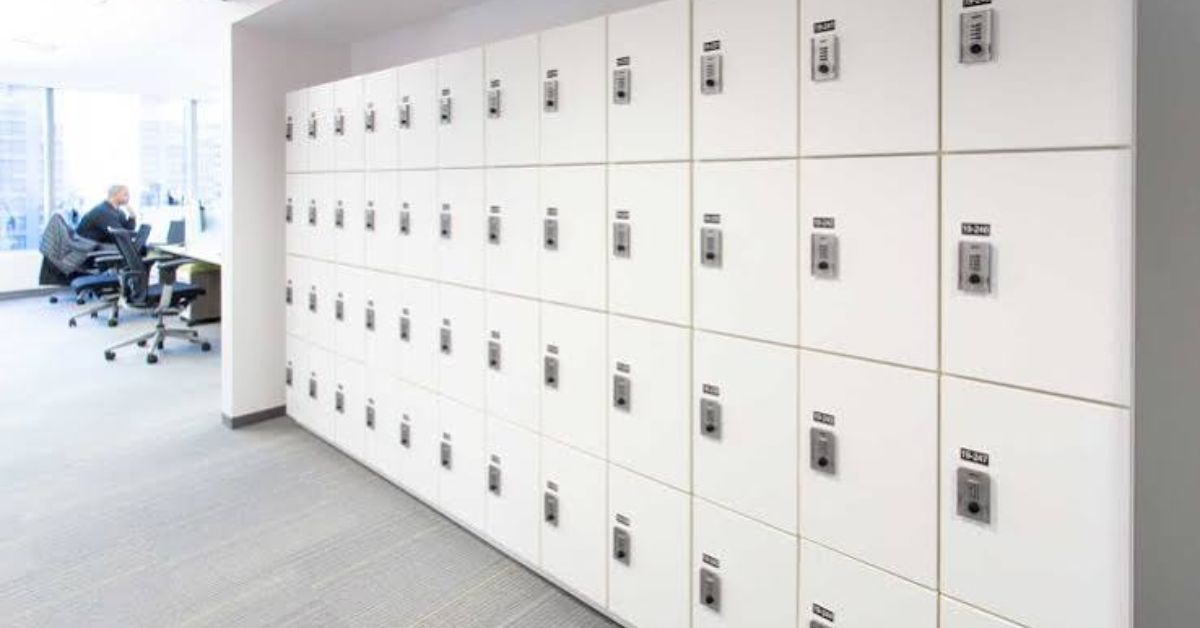


Running a school, gym, office, or industrial facility comes with many organizational challenges, and providing secure storage for employees, students, or members is a top priority. One cost-effective solution is to invest in used lockers. They offer the durability and functionality of new lockers, but at a fraction of the price. However, not all second-hand lockers are created equal. Choosing the right units requires careful consideration to ensure they meet your facility’s needs.
In this guide, we’ll break down everything you need to know about selecting high-quality used lockers, whether you’re searching for second-hand lockers for sale, planning to buy used lockers, or looking for lockers for sale near me.
The first step in choosing used lockers is identifying the specific requirements of your facility. Consider:
By understanding your facility’s requirements, you can narrow down options and avoid over- or under-purchasing lockers.
Durability is the most critical factor when buying used lockers. Examine the materials, construction, and condition of the lockers before making a purchase.
High-quality used lockers will provide years of reliable service without the need for costly repairs.
Not all lockers are one-size-fits-all. When evaluating used lockers, consider size and configuration:
Selecting the right size ensures lockers are functional, practical, and comfortable for your users.
Even when buying second-hand units, security should never be compromised. Check for lockers with secure locking mechanisms and sturdy doors.
Choosing secure used lockers ensures your facility provides a safe storage environment for personal belongings.

While a few scratches or minor dents are expected in used lockers, the overall appearance should be acceptable for your environment.
A visually appealing locker maintains professionalism and user satisfaction, even if the units are pre-owned.
6. Check for Availability of Replacement Parts
Before purchasing, confirm that replacement parts are available in case repairs are needed. Used lockers may have older designs, and not all components are compatible with modern replacements.
This ensures your used lockers remain functional and cost-effective over time.
Many suppliers offer refurbished used lockers, which have been cleaned, repaired, and repainted to like-new condition. These units offer several advantages:
Choosing refurbished units allows you to buy used lockers without compromising on functionality or appearance.
Where you purchase your used lockers matters just as much as the lockers themselves. Look for reputable suppliers with:
Reliable suppliers reduce the risk of buying low-quality units that could fail prematurely.
While cost savings are a key reason to purchase used lockers, it’s important to focus on value rather than just price.
By evaluating both price and long-term benefits, you can make a smart investment that fits your budget.
Finally, think about how the lockers will be transported, installed, and positioned in your facility.
Proper planning ensures a smooth installation process and immediate usability for your facility.
Investing in used lockers is a smart, cost-effective solution for schools, gyms, offices, and industrial facilities. By paying attention to quality, security, size, condition, and supplier reputation, you can select units that meet your storage needs without breaking the budget.
Whether you are looking to buy used lockers, explore second-hand lockers for sale, or find lockers for sale near me, high-quality used lockers offer durability, functionality, and flexibility that benefit both your facility and its users.
For reliable options and expert advice on pre-owned lockers, visit Lockers Unlimited. They offer a wide selection of refurbished and used lockers, providing practical, affordable storage solutions for every facility type.