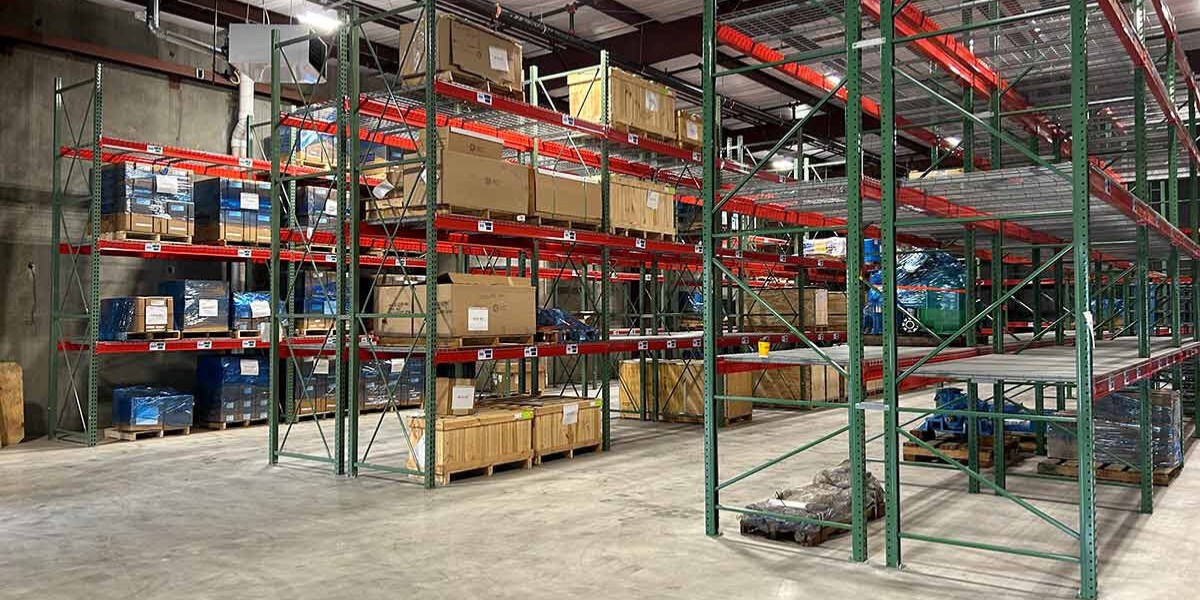
Picking the wrong rack is an expensive mistake. You’ll feel it in wasted square footage, slow picks, frustrated forklift drivers, and eventually a safety inspector who has a few questions for you. Warehouse pallet racking systems aren’t a one-size deal, and the right choice depends on what you store, how often you touch it, and how your team moves through the building. This guide walks through the trade-offs so you can match a system to your actual operation instead of guessing from a catalog photo.
Before you look at a single rack, take stock of your inventory. How heavy is the average pallet? How tall? Are loads uniform, or is every SKU a different shape? Do you turn product fast or does some of it sit for months? These answers point you toward the right system far better than any spec sheet.
If you’ve got hundreds of SKUs and need to grab any of them at any moment, you’ll lean toward selective racking. If you’re storing high volumes of the same product – think beverage distribution or bulk consumer goods – denser systems start to make sense. Cold storage operations have their own pressures, since every cubic foot you waste costs real money in refrigeration. A quick look at a few heavy-duty pallet rack shelving options can help you see what configurations are typically available before you commit to a layout.
Don’t forget about pallet condition either. Beat-up wooden pallets or oddly sized loads can cause beam-overhang issues that throw off your safe working load. Standardize your pallets when you can.
Selective racking is the workhorse of most warehouses. Every pallet sits in its own slot, every slot is accessible from the aisle, and you can pull anything without moving something else first. That’s 100% selectivity, and for operations with lots of SKUs and steady turnover, it’s hard to beat.
High-density systems trade some of that accessibility for storage volume. Drive-in racks let forklifts roll right into the structure, perfect for last-in, first-out inventory. Push-back racks use nested carts so pallets glide forward as you remove the front one. Pallet flow racks tilt downward on rollers for true first-in, first-out movement, which matters a lot for dated goods like food or pharma.
The trade-off is always the same: more density means less direct access. If you only have three SKUs and a thousand pallets each, that’s a fair trade. If you have a thousand SKUs and three pallets each, it isn’t. Sketch out your real inventory before you make the call.
Aisle width determines how dense your storage can get, and it’s tied directly to the equipment you run. Standard counterbalance forklifts need 10 to 12 feet of aisle. Reach trucks can work in 8 to 10 feet. Turret trucks and very narrow aisle (VNA) systems can operate in aisles as tight as 5 to 6 feet, which can boost your storage capacity by 30% or more.
But narrower aisles mean specialized equipment, more training, and sometimes wire guidance systems built into the floor. That’s a real capital commitment. If you’re already running standard forklifts and don’t want to replace them, designing around their turning radius is smarter than forcing a layout your fleet can’t handle. For a deeper look at how aisle width, equipment, and rack type interact in practice, this overview of warehouse racking layout strategy is a useful reference.
Also factor in flue space (the gaps between back-to-back rows for fire suppression), cross-aisles for traffic flow, and any pick modules or staging areas you need. The racks themselves might only take up 50–60% of your floor plan once everything’s drawn out.
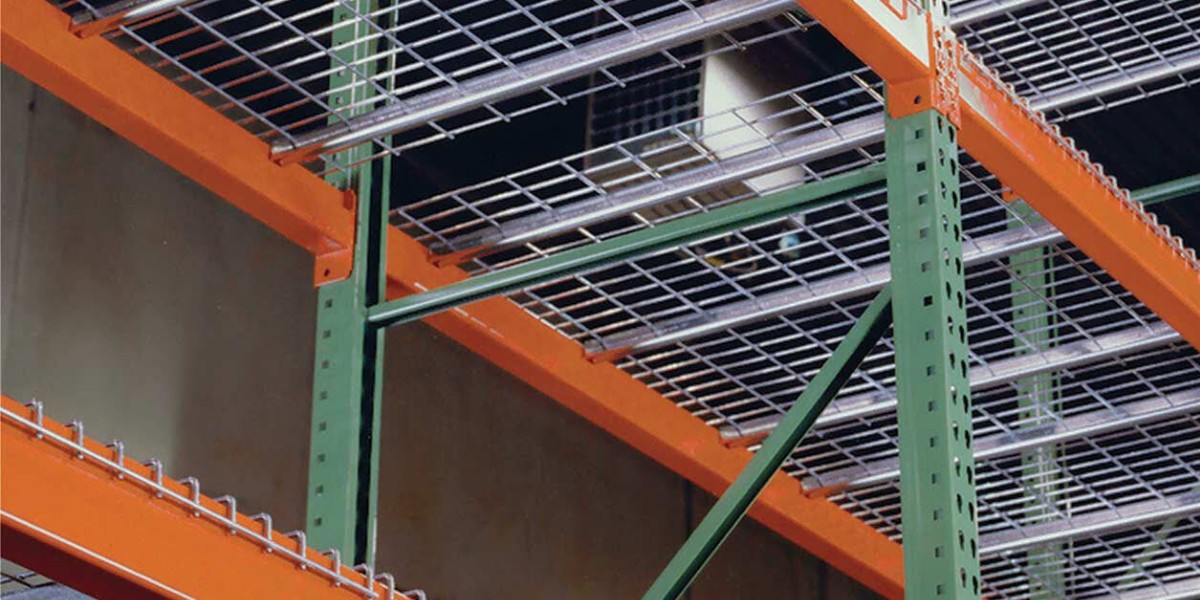
Every beam, every upright, every connector has a rated capacity. These ratings assume the load is distributed evenly and the system is installed correctly. The moment you start stacking heavier loads, overhanging beams, or skipping floor anchors, those numbers stop meaning anything.
A heavy industrial operation needs thick-gauge steel and beefier uprights. A light-duty parts warehouse can get away with less. But here’s the thing – the cost difference between adequate and overbuilt is usually small compared to what a rack collapse will cost you. Err on the side of capacity, especially if your loads might grow over time.
This is also where it pays to work with a supplier who’s done this before. Outfits with decades in storage and material handling – companies like Lockers Unlimited that have built reputations across years of warehouse and locker installations – know which configurations cause headaches three years in, and they’ll save you from learning those lessons the hard way.
You don’t have to pick one type for the whole building. A lot of well-run warehouses use a combination: selective racks for the high-SKU general inventory, drive-in or push-back racks for bulk fast-movers, and lighter shelving like Penco Clipper boltless shelving for hand-loaded items, totes, parts, and smaller cartons.
That hybrid approach gives you density where you need it and access where you need it. The trick is planning the layout so material flow still makes sense – you don’t want pickers crossing the whole warehouse to grab one SKU because the racks were placed without thinking about workflow.
Mezzanines are another option for tall buildings. If you have 24 feet of clearance and you’re only using 16, adding a mezzanine for picking or lighter storage can effectively double your usable square footage without expanding the building. Pallet rack shelving designed for multi-level installations works especially well for this.
OSHA doesn’t have a single comprehensive racking standard, but it does require that workplaces be free of recognized hazards – and an unanchored or overloaded rack qualifies. Most jurisdictions also pull in the ANSI MH16.1 standard for industrial steel storage racks. Uprights need to be anchored to the floor. Load capacities have to be posted where workers can see them. Damaged components need to be tagged out and replaced before the system goes back into service.
You’ll also want a regular inspection schedule. Forklift impacts happen, and a bent upright that looks minor can have its load capacity cut in half. Catch the damage early and fix it cheap. Ignore it and you might catch it the hard way.
Professional installation matters too. Self-installed racks that look fine often have torque issues, missing safety clips, or improperly seated beams that won’t show up until they fail.
Think about expansion. Can the system grow when your business does, or will you be ripping it out in two years? Modular pallet rack shelving is easier to add bays to than welded designs.
Consider the finish. Powder-coated and galvanized racks last longer in humid or chemical-heavy environments. Bare paint chips and rusts.
And factor in lead time. Quick-ship programs exist for standard components, but custom uprights and oversized beams can take weeks. Build that into your project timeline.
There’s no single best warehouse pallet racking system – there’s only the one that fits your inventory, your equipment, your building, and your team. Walk your floor, count your pallets, watch how your forklifts move, and design from there. The right choice pays you back every day in faster picks, safer operations, and space you didn’t know you had.
A properly installed and maintained system can last 20–30 years or more. Powder-coated finishes, regular inspections, and prompt repair of any forklift damage make the biggest difference. The structural steel itself rarely fails – it’s neglect and impact damage that shorten lifespan.
You can technically install simple systems yourself, but it’s not recommended for anything over basic shelving height. Professional installers handle floor anchoring, beam torquing, plumb-and-level checks, and load testing that protect both your inventory and your team. Most insurance carriers prefer professional installation, and some require it.
Selective racking gives you direct access to every pallet through aisles between bays – best for high-SKU operations. Drive-in racking lets forklifts enter the rack structure itself, storing pallets several deep without aisles between them. Drive-in is denser but works on a last-in, first-out basis, so it’s only suitable for high-volume, low-SKU storage.
Add the weight of your heaviest fully loaded pallet, then add a safety margin of 15–20%. Multiply by the number of pallets per level to get your beam capacity requirement. Then check your upright capacity, which depends on the total load across all levels. When in doubt, oversize – the cost increase is small and the safety margin is real.
A trained employee should do a visual walk-around at least monthly, looking for damaged uprights, missing safety pins, and overloaded beams. A formal inspection by a qualified rack engineer should happen at least once a year. After any significant forklift impact, that specific area should be inspected immediately before being put back into service.
Yes – that’s one of the biggest advantages of bolted modular systems. You can add bays, change beam heights, relocate uprights, or even move the whole layout to a new building. Components like boltless storage and shelving units and modular rack frames are designed for easy reconfiguration. Welded systems are less flexible, which is one reason most warehouses go with bolted designs unless they have a specific reason not to.