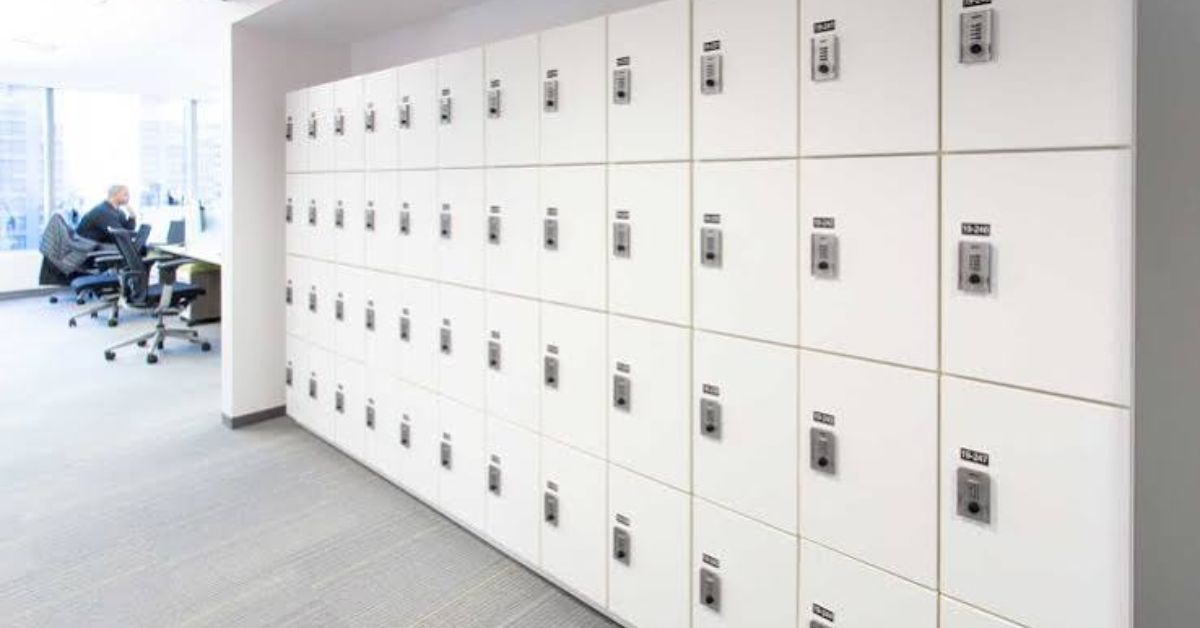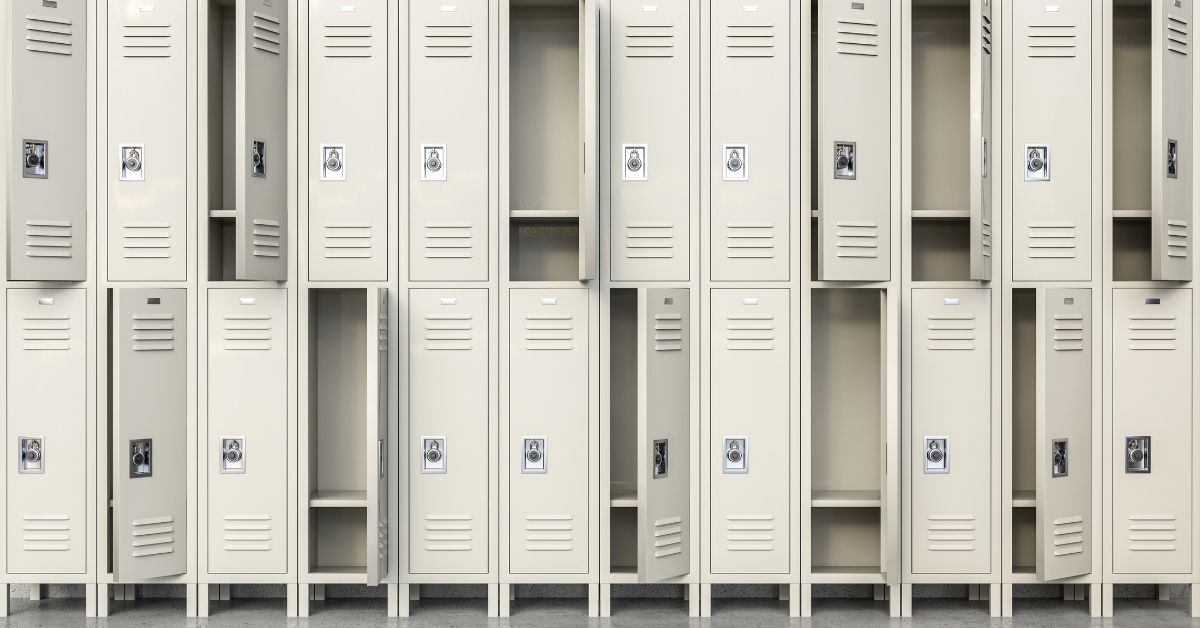


Security is a top concern in facilities that offer shared spaces, especially in gyms, fitness centers, schools, sports complexes, and workplaces. Changing rooms are high-traffic areas where personal belongings such as wallets, phones, clothing, and equipment are temporarily stored. Without proper storage solutions, these spaces can become vulnerable to theft or misuse. This is where changing room lockers play a vital role in improving safety, organization, and peace of mind.
In this blog, we’ll explore how the right changing room lockers can significantly enhance security and what steps facility managers can take to ensure maximum protection for users.

Changing rooms are designed for convenience, but without secure lockers, they can quickly become high-risk zones. Users often leave personal belongings unattended while changing or engaging in activities. Secure changing room lockers provide a designated, lockable space that minimizes theft and unauthorized access.
Beyond protecting valuables, lockers also help establish trust. When users feel confident that their belongings are safe, they are more likely to use the facility regularly. For businesses, this translates into improved customer satisfaction and a more professional environment.
The material of a locker has a direct impact on security. High-quality changing room lockers are typically made from durable materials designed to withstand frequent use and tampering.
Selecting the right material ensures long-term security and reduces maintenance concerns.
Locks are the most critical component of changing room locker security. Choosing the right locking system depends on the facility type, user turnover, and security needs.
High-quality changing room lockers paired with reliable locks significantly reduce the risk of theft.
Where lockers are placed can be just as important as how they are built. Strategic placement helps deter theft and encourages responsible use.
Facilities that combine smart locker placement with surveillance cameras create a strong deterrent against tampering or theft.
Ventilation is essential in changing room lockers to prevent odor and moisture buildup, but it must be designed carefully. Proper ventilation should not compromise security.
Modern locker designs include small, reinforced ventilation slots that allow airflow without providing access points. This balance ensures that lockers remain hygienic while still protecting stored items.
Even the most secure lockers can become vulnerable if not properly maintained. Routine inspections are essential for long-term security.
Maintenance best practices include:
Well-maintained changing room lockers remain reliable and secure for years, reducing both security risks and replacement costs.
User behavior plays a significant role in overall locker security. Facilities should encourage responsible locker use by providing clear guidelines.
Helpful practices include:
Educated users are less likely to leave lockers unsecured, reducing theft opportunities.
For facilities with higher security needs, additional access control measures can further improve locker safety.
Combining access control with secure changing room lockers creates a multi-layered security approach.
Investing in secure locker systems offers benefits beyond theft prevention. These include:
High-quality locker systems also minimize maintenance and replacement costs over time.
Facilities seeking durable and secure locker solutions can explore professional options from providers like Lockers Unlimited, which offers changing room lockers designed to meet the demands of gyms, schools, and commercial environments.