

When it comes to outfitting schools, gyms, offices, or any shared facility, choosing the right lockers is only part of the equation. Equally important is understanding the locker parts that keep them functional, durable, and secure. Whether you are working with metal lockers or plastic lockers, knowing the differences in components, maintenance, and replacement options is crucial. In this guide, we break down everything you need to know about locker parts for metal versus plastic lockers.
Before diving into differences between materials, it’s helpful to understand what locker parts typically include. Most lockers, regardless of construction, have several key components:
Each component plays a role in the locker’s functionality, safety, and lifespan. However, the type of material metal or plastic impacts the design, durability, and maintenance of these parts.
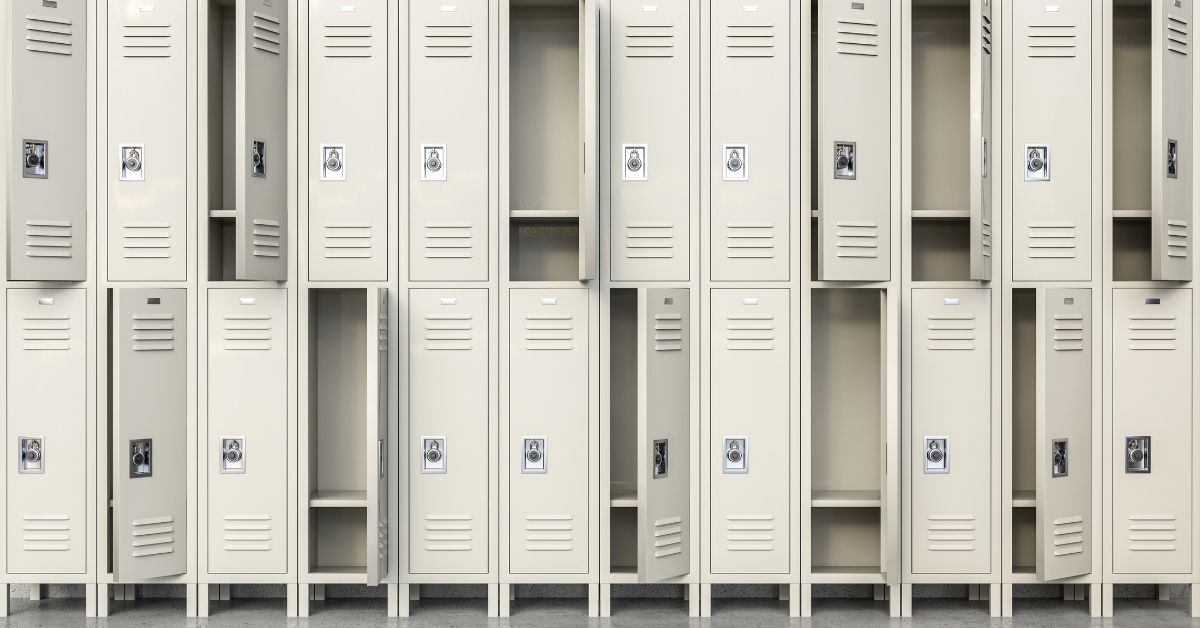
Metal lockers have been a standard choice for decades in schools, offices, and industrial settings. They are typically made from steel and coated with powder paint to prevent rust. Here’s a closer look at their locker parts:
Metal locker doors are strong, rigid, and resistant to impacts. The hinges are usually welded or riveted for durability. Replacement hinges are readily available, but installation may require professional tools.
Metal lockers can accommodate a wide variety of locking systems, including built-in combination locks, key locks, or padlock hasps. Locker parts such as latches or locking cams are generally metal as well, offering high durability.
Metal shelves are sturdy and capable of holding heavy items like books, sports gear, or equipment. Adjustable shelves may use brackets or clips, which are also metal, ensuring longevity.
Metal lockers typically have perforated doors or vents, which allow airflow but can be susceptible to dents or bending.
Metal locker parts are durable but can rust over time if exposed to moisture. Regular maintenance, like tightening screws, lubricating hinges, and checking locks, keeps metal lockers functional for decades.
Plastic lockers have gained popularity in recent years, especially in wet or humid environments like pools, spas, and gyms. They are typically made from high-density polyethylene (HDPE) or other durable plastics.
Plastic locker doors are lightweight, resistant to dents, and will not rust. Hinges are usually molded from the same material or reinforced with stainless steel for strength. Replacement parts are often modular and easy to install.
Plastic lockers can use built-in combination locks or padlocks, similar to metal lockers. However, some parts may be reinforced with metal inserts to improve security. Locker parts like locking cams or strike plates may be a combination of plastic and metal.

Plastic shelves are lighter than metal but still sturdy. They are resistant to moisture, making them ideal for damp environments. Adjustable shelves are typically easy to remove or reposition without tools.
Plastic lockers may have built-in vents or be solid without perforations. Solid plastic lockers are more resistant to odors and moisture but may require additional cleaning to maintain airflow.
Plastic lockers require minimal maintenance. They do not rust, dent easily, or require painting. Cleaning can be done with mild soap and water, making them ideal for wet areas. Replacement parts are often modular, allowing for simple upgrades or repairs.
Here’s a side-by-side look at the differences in locker parts between metal and plastic lockers:
| Feature | Metal Lockers | Plastic Lockers |
| Durability | Very strong, dent-resistant but can rust | Resistant to rust and moisture, flexible but may crack under heavy impact |
| Weight | Heavier, may require more labor to install | Lightweight, easier to move or reconfigure |
| Hinges | Welded or riveted metal | Molded plastic or plastic/metal hybrid |
| Locks | Compatible with a wide range of metal locking mechanisms | May require reinforced parts for secure locks |
| Shelves | Heavy-duty, supports heavy items | Lightweight, water-resistant, easier to adjust |
| Maintenance | Requires lubrication, rust prevention | Minimal maintenance, easy cleaning |
| Ideal Environments | Dry areas, offices, schools | Wet or humid areas, gyms, pools, locker rooms |
The choice between metal and plastic lockers often comes down to the environment, desired durability, and maintenance preferences. However, understanding the specific locker parts available for each material ensures that you can select, replace, or upgrade components efficiently.
Regardless of the type of locker, keeping locker parts in good condition will extend the life of your units. Here are some general maintenance tips:
Proper care keeps lockers functional, safe, and attractive for years.
Choosing between metal and plastic lockers requires careful consideration of your facility’s needs, environment, and maintenance capabilities. Each material comes with distinct locker parts designed for durability, functionality, and user convenience. Metal lockers excel in dry, high-traffic areas and provide heavy-duty strength, while plastic lockers shine in wet, humid environments and require minimal maintenance. Understanding the differences in locker parts allows you to make informed decisions, maintain your lockers efficiently, and ensure long-lasting performance.
For high-quality locker parts and a wide selection of metal and plastic lockers, Lockers Unlimited offers durable solutions designed to meet the needs of any facility. From replacement hinges and shelves to locks and accessories, they provide everything necessary to keep your lockers functional and secure.