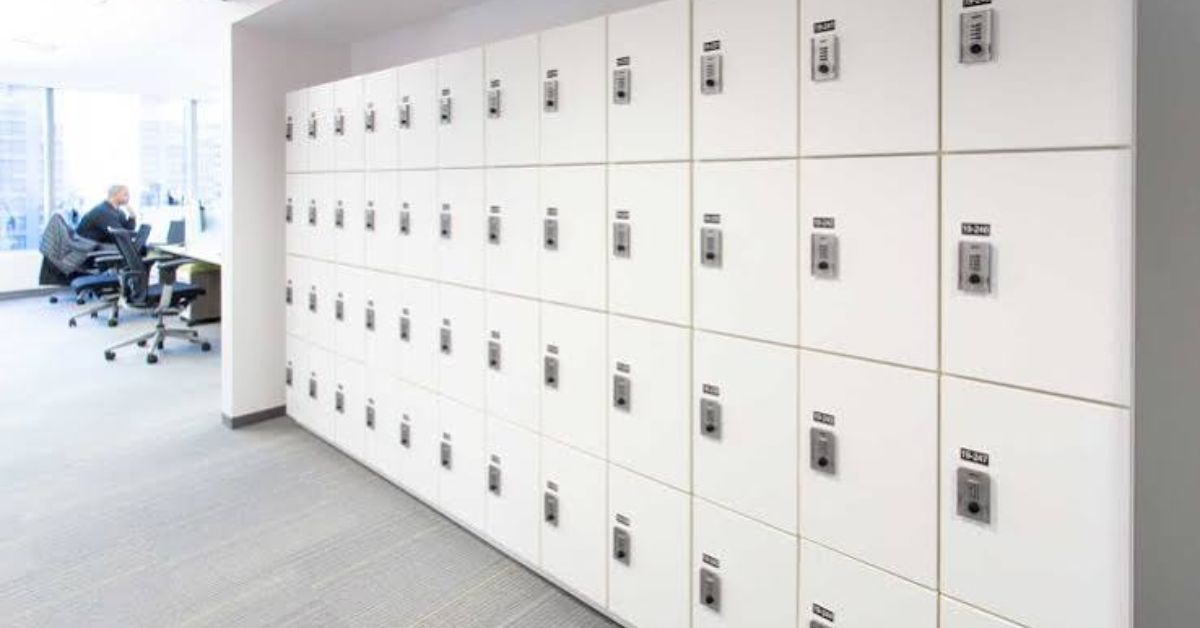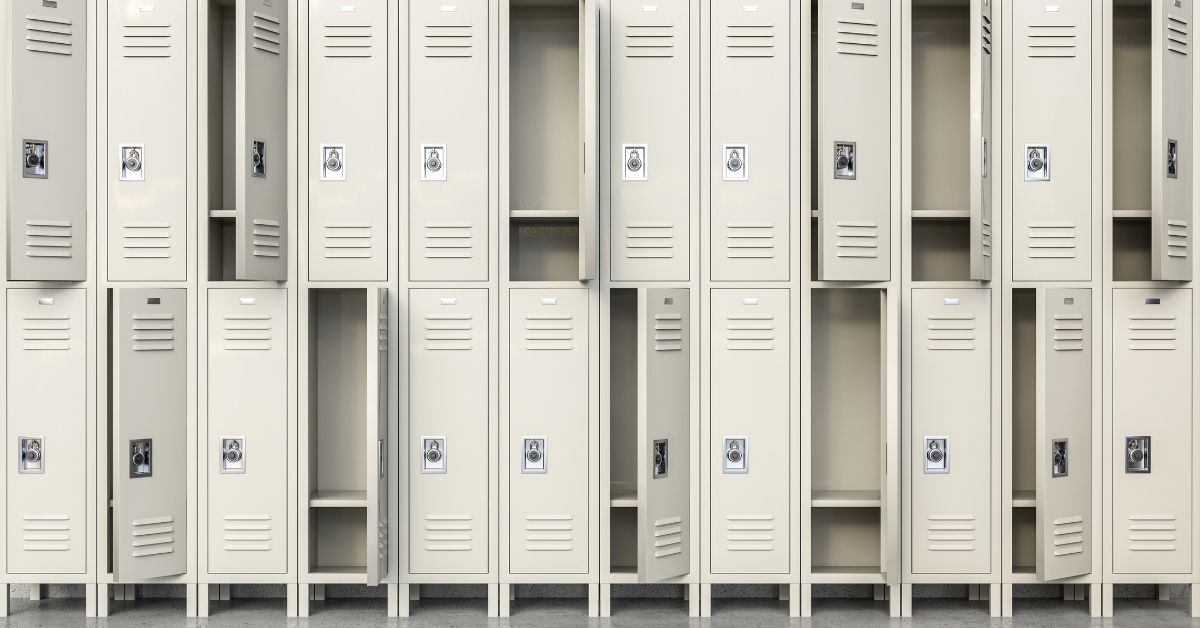


Installing lockers might seem straightforward, but anyone who has managed a facility renovation or new build knows that the process involves far more planning, coordination, and technical detail than most people anticipate. Whether you’re setting up lockers for a school, gym, office, hospital, or manufacturing plant in the Charlotte area, understanding the full installation process upfront can save you significant time, money, and frustration.
This guide walks you through everything you need to know about locker installation in Charlotte NC from pre-installation planning to the final walkthrough.
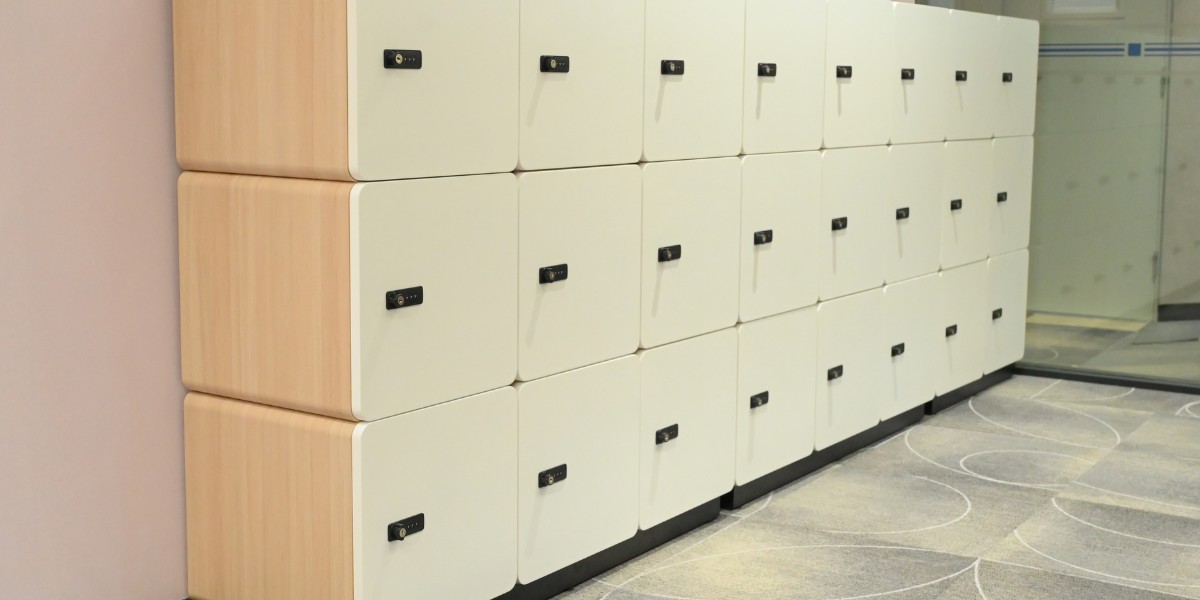
The installation process begins long before a single locker enters your building. A proper site assessment is the foundation of any successful project.
During this phase, your locker provider or installation team will evaluate:
Skipping this step leads to costly surprises mid-installation. Always insist on a thorough site assessment before finalizing your locker order.
Once your space has been measured, you’ll work with your supplier to determine the best configuration. This isn’t just about how many lockers you need it’s about how they’ll be arranged, accessed, and used.
Custom locker configurations allow facilities to work around architectural constraints like columns, alcoves, or irregular wall shapes. Your installation team should be able to design a layout that maximizes storage while maintaining clear sightlines and safe egress.
Popular configuration decisions include:
Getting the configuration right at this stage is critical changes after delivery and installation are expensive.
Charlotte’s geography presents some unique logistical considerations. Whether your facility is located in Uptown, South End, University City, or a suburban industrial park, delivery planning must account for:
Commercial locker orders are typically shipped on freight pallets and require a forklift or liftgate truck for unloading. Your installation team should coordinate delivery timing with your facility manager to ensure the receiving area is clear and accessible.
For school or government facilities with strict access restrictions, delivery windows may need to be scheduled weeks in advance. Plan accordingly.
For a standard mid-sized installation of 50–150 lockers, the process typically takes one to three days depending on complexity. Here’s what a typical installation looks like:
Day 1 — Layout and anchoring: The crew marks out the locker positions based on the approved layout, installs base channels or leveling feet, and begins anchoring the first bank to the wall using appropriate fasteners for your wall type. Wall anchoring is critical for stability and safety — improperly secured lockers are a liability risk.
Day 2 — Assembly and alignment: Individual locker bodies are assembled, numbered units are positioned, and doors are hung and aligned. Door alignment is one of the most detail-intensive parts of the process even slight misalignment causes doors to stick, warp, or fail to latch properly over time.
Day 3 — Hardware, trim, and finishing: Locks are installed and tested, number plates are attached, filler strips and trim pieces are fitted, and the installation team conducts a final quality check. Any cosmetic touch-ups to powder coat finishes (minor shipping nicks) are addressed at this stage.
If your project includes locker room benches, these are typically installed on the final day after the locker banks are fully secured, ensuring bench placement aligns perfectly with the finished locker layout.
Modern locker installation in Charlotte NC projects increasingly involve electronic or smart locking systems rather than traditional key or combination locks. If your facility is going this route, additional setup is required:
For traditional combination or key locks, the installation team will typically master-key the system and provide the facility manager with a master key and a lock combination record sheet. Keep this document in a secure location.
Before your installation team leaves, insist on a full walkthrough. Every door should open and close smoothly, every lock should engage properly, and every anchor point should be solid. Check that:
Document any issues on the spot and get written confirmation that punch-list items will be resolved within an agreed timeframe.
A well-installed locker system requires minimal maintenance, but periodic care extends its lifespan significantly. Recommended maintenance practices include:
Facilities that stay on top of basic maintenance routinely get 25+ years of service from quality steel locker systems.
Not all locker vendors offer professional installation some simply drop-ship the product and leave assembly to your maintenance team. For commercial projects of any significant size, working with a full-service provider that handles both supply and installation is almost always worth the additional cost.
Lockers Unlimited provides end-to-end service, including site assessment, configuration design, delivery coordination, professional installation, and post-installation support across the Charlotte metro area and beyond.
When evaluating vendors, ask specifically about their installation crew’s experience with your facility type, their warranty policy on both product and labor, and their timeline guarantee.
Locker installation in Charlotte NC is a multi-step process that rewards careful planning and professional execution. From the initial site assessment to the final walkthrough, each phase matters. Cutting corners at any stage whether in site prep, product selection, or installation technique creates problems that compound over time.
Work with a vendor who treats installation as seriously as the product itself, and your locker system will serve your facility reliably for decades to come.
For most mid-sized projects (50–150 lockers), professional installation takes one to three days. Larger projects with complex configurations or smart locking systems may take longer.
Small residential or light-commercial installations can be DIY. For commercial projects especially those involving wall anchoring, electronic locks, or 50+ units professional installation is strongly recommended to ensure safety and warranty compliance.
Lockers can be anchored to drywall, concrete, cinder block, and wood-framed walls. The anchoring hardware varies by wall type, which is why a proper site assessment is essential before installation begins.
Yes. Leveling feet and base filler strips are standard solutions for uneven floors. Your installation team should address this during the layout phase.
Reputable vendors will document damage upon delivery and arrange for replacement parts or units. Always inspect shipments upon arrival and note any damage on the delivery receipt before signing.
Yes, most locker systems are modular and can be expanded. As long as wall space and aisle clearance are available, additional units can be integrated into existing banks.