Which Lockers for Schools Offer the Most Security?
Blog
Ask any school administrator what they worry about with student lockers, and security comes up almost immediately. Between theft, tampering, and the occasional forced-entry incident, lockers for schools need to do more than just hold books and jackets. They need to hold up against curious hands, determined troublemakers, and years of daily use. Not every locker on the market is built with the same level of security in mind, so it’s worth understanding what actually separates a secure option from a vulnerable one.
Why Security Varies So Much Between Locker Types
Lockers built for light residential or office use often prioritize looks and cost over serious security features. Schools need the opposite priority order. A locker bank that looks identical from the hallway can have very different internal hardware, and that hardware is usually what determines whether a lock can be picked, pried, or bypassed entirely.Before comparing specific models, it helps to understand the baseline expectations for school environments, which the guide on best lockers for schools, gyms, and offices: buying guide covers well, including how school-specific needs differ from general commercial storage.
Lock Type Makes the Biggest Difference
The lock is the single most important security component on any locker, and schools generally choose between a few main types:
Built-in combination locks – convenient and tamper-resistant when properly maintained, though older mechanical versions can wear out and become easier to manipulate.
Padlock hasps – flexible since students or the school can supply their own lock, but only as secure as whatever padlock gets used.
Electronic keypad locks – harder to bypass without leaving evidence, and increasingly popular in newer school installations despite a higher upfront cost.
Cheap padlocks are the weakest link in a lot of school locker security setups, since students often buy the least expensive option available rather than one built for durability. The comparison in best locks for lockers: what to look for and top brands to trust breaks down which lock types hold up best specifically in high-traffic school hallways.
Material Affects More Than Looks
Security isn’t just about the lock. The locker body itself needs to resist prying and impact. Thin-gauge steel can be bent with enough force at the door seam, creating a gap wide enough to reach through or pop a lock mechanism loose. Heavier-gauge steel, along with reinforced door frames, makes this kind of tampering significantly harder.Ventilation slots are another overlooked detail. Poorly designed vents can actually create leverage points for prying, while well-designed ones are positioned and reinforced specifically to avoid weakening the door structure. Schools outfitting new buildings or doing major renovations often review options like those covered in top school lockers for sale: durability and security, which look at gauge thickness and frame reinforcement side by side.
Locker Placement and Layout Matter Too
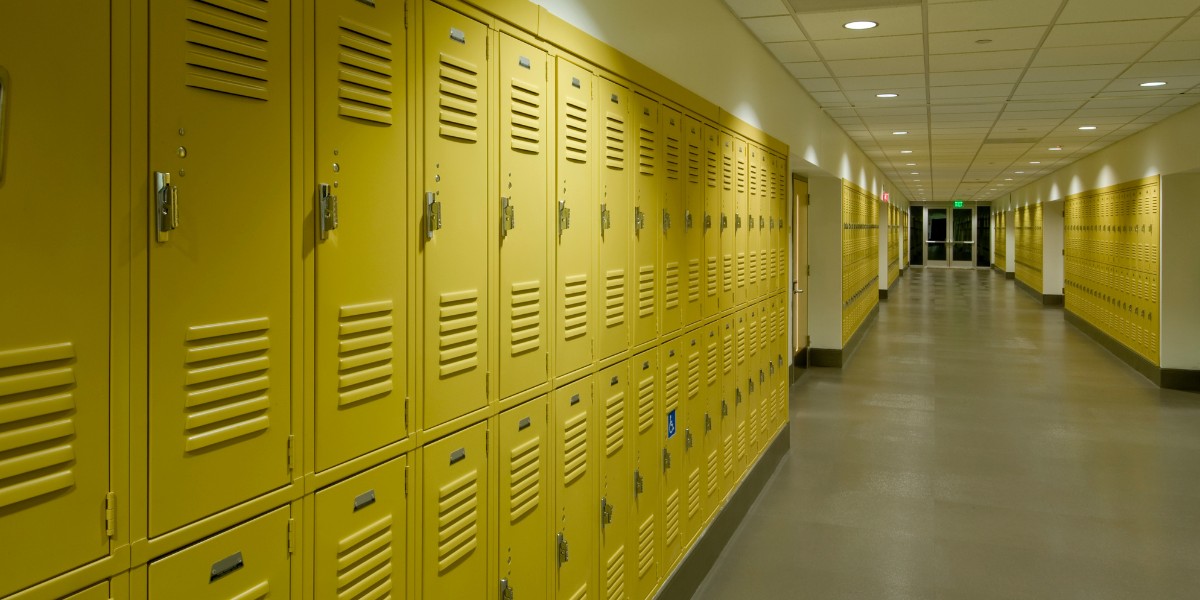
Even the most secure individual locker can be undermined by poor hallway layout. Lockers positioned in blind spots, away from natural sightlines or camera coverage, see more tampering incidents than ones in well-monitored hallways. This isn’t a knock against any particular locker product, but it’s a factor schools should weigh alongside the hardware itself when planning a new installation or a full replacement.Numbering and assignment systems play a role here too. Randomizing locker assignments each year, rather than letting students choose or keep the same locker across grades, makes it harder for anyone to plan targeted tampering based on knowing exactly which locker belongs to whom.
Balancing Security With Budget
Full electronic locking systems with built-in security features cost more upfront than basic padlock hasps, and most schools operate under tight facility budgets. The good news is that meaningful security improvements don’t always require replacing an entire locker bank. Upgrading lock hardware alone, or reinforcing door frames on existing lockers, can meaningfully improve security without the cost of full replacement.At Lockers Unlimited, we work with schools to figure out where the actual security gaps are before recommending a full teardown and replacement, since sometimes targeted upgrades solve the problem for a fraction of the cost. It’s worth having that conversation before assuming new lockers are the only fix.
What to Prioritize If You’re Starting From Scratch
If you’re outfitting a new building or replacing an aging locker bank entirely, prioritize in this order: lock mechanism first, since it’s the component most directly tied to actual break-in incidents; steel gauge and frame construction second, since that determines how resistant the locker is to physical force; and layout and placement third, since even great hardware benefits from good sightlines.Reviewing how lockers enhance student organization and safety alongside the security-specific comparisons gives a fuller picture, since organization and security tend to go hand in hand – a well-organized locker system with clear assignment records also makes tracking any tampering incidents easier after the fact.Security isn’t a single feature you can check off a list. It’s a combination of lock quality, material strength, and smart placement that together determine how well a locker actually protects what’s inside it. Schools that think through all three tend to see far fewer incidents than ones that focus on price alone.
Are electronic keypad locks worth the extra cost for schools?
For schools with a history of lock tampering or budget flexibility for upgrades, electronic locks offer better resistance to manipulation than aging mechanical combination locks. For tighter budgets, upgraded mechanical locks can still be a meaningful improvement.
Do thicker steel lockers actually resist prying better?
Yes, heavier-gauge steel is genuinely harder to bend or pry at the door seam compared to thin-gauge alternatives, which makes forced entry noticeably more difficult and time-consuming.
Should schools let students supply their own padlocks?
It depends on the school’s security priorities. Allowing student-supplied padlocks adds flexibility but introduces inconsistent security, since padlock quality varies widely. Built-in locks offer more uniform protection.
Does locker placement in a hallway affect security?
Yes, lockers in low-visibility areas away from foot traffic or camera coverage tend to see more tampering incidents. Layout and sightlines matter alongside the locker hardware itself.
Can existing school lockers be upgraded for better security without full replacement?
Often, yes. Upgrading lock mechanisms or reinforcing door frames on existing lockers can meaningfully improve security at a fraction of the cost of a full locker bank replacement.
How often should schools reassign locker numbers for security reasons?
Reassigning lockers each school year, rather than letting students keep the same one across grades, makes it harder for anyone to plan targeted tampering based on prior knowledge of locker assignments.
At Lockers Unlimited, we combine innovation, quality, and excellent customer service to deliver the best storage solutions for your needs. From design to installation, we’re here to help every step of the way.
Ready to upgrade your space with our new lockers? Contact us today to discuss your project and find the perfect solution for your needs.