
Buying used equipment always comes with a bit of risk, and lockers are no exception. The good news is that second hand lockers for sale can be a genuinely smart purchase if you know what to look for. The bad news is that a quick glance rarely tells you the full story. A locker can look fine from three feet away and still have structural issues that show up within months. Here’s a practical checklist for what actually matters before you commit.
Used lockers come from all kinds of sources – school closures, gym renovations, office downsizing, and liquidation sales. That means the condition you’ll find varies wildly even within the same batch. Some units might have sat in a climate-controlled storage room for a year. Others could have spent that same year in a damp warehouse.
This is exactly why a careful inspection matters more with lockers than with a lot of other used furniture. A guide like how second hand lockers compare to new options is worth reading first, since it sets realistic expectations for what “used” actually means in terms of wear and remaining lifespan.
Surface rust on the outside of a locker door is easy to spot and often cosmetic. The bigger concern is rust that’s developed on hinges, the door frame, or along the bottom edge where moisture tends to collect over time. Run your hand along the bottom seam and check the corners closely – this is where corrosion usually starts and where it does the most structural damage.
If you see rust bubbling under paint rather than just sitting on the surface, that’s a sign the metal underneath is already compromised. Surface rust can often be treated and repainted, but bubbling paint usually means the damage goes deeper than it looks.
Don’t just look at doors – open and close every single one if you can. Doors should swing freely without scraping the frame or needing extra force to latch. Sticking doors often mean the frame itself has warped slightly, which is harder to fix than a simple hinge adjustment.
Locks deserve extra attention too. Test key locks with the actual keys provided, and spin combination locks through a few cycles to make sure the mechanism isn’t sticking. If you’re buying lockers in bulk, mismatched or missing keys are more common than you’d expect, and rekeying an entire bank of lockers adds cost you’ll want to factor in upfront. The checklist in how to spot high-quality used lockers for sale: a buyer’s checklist covers several of these mechanical details in more depth.
Set a level against the top and sides of a few units if you can, especially if you’re buying lockers that will be bolted together in a row. Slight misalignment might not matter for a single standalone locker, but it becomes a real problem when you’re trying to fit a dozen units together into a continuous bank along a wall.
Also check that shelves and interior dividers, if present, are still securely attached. These get bent or knocked loose more often than the exterior of the locker, especially in gym and school settings where students and members tend to be rough on them.
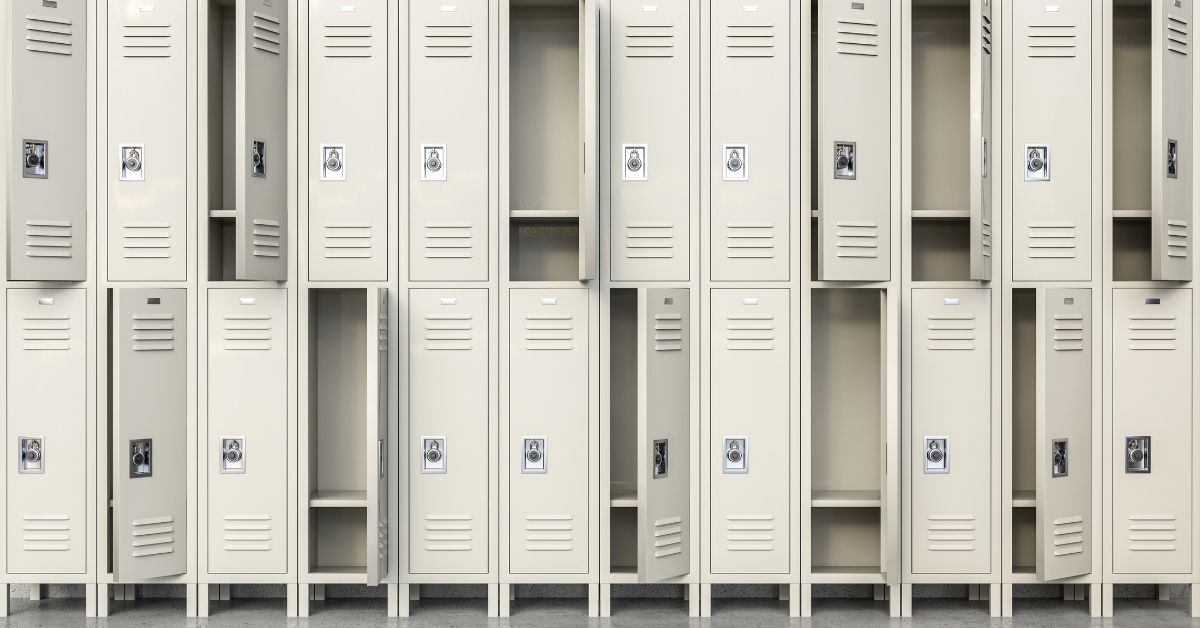
Peek inside every locker if you’re able to. Ventilation slats should be clear and undamaged, not bent inward or clogged with old debris. A musty smell inside a used locker is worth taking seriously – it often means moisture got trapped inside for an extended period, which can lead to mold that’s difficult to fully remove from painted metal surfaces.
If the smell is strong or you notice any soft spots in interior shelving, it’s usually better to pass on that specific unit rather than assume a good cleaning will fix it. The tips in 5 things to check before you buy used lockers go into more detail on interior red flags that are easy to miss during a quick walkthrough.
Some sellers list lockers as “refurbished,” but that term isn’t standardized, so it’s worth asking direct questions. Did refurbishing include new paint, new hardware, or just a wipe-down? A genuinely refurbished locker should have addressed rust spots, replaced damaged hinges, and repainted worn areas – not just been cleaned and photographed well.
At Lockers Unlimited, we walk buyers through exactly what condition each batch of used inventory is in before it ships, because vague listings are one of the most common sources of buyer frustration in the secondhand locker market. Knowing the difference between lightly used and heavily worn saves you from an unpleasant surprise on delivery day.
A cheap batch of used lockers can end up costing more than expected once you add rekeying, touch-up paint, or replacement hardware for damaged units. Before buying, do a rough tally of what extra work each unit might need, and compare that adjusted total against the price of buying new. Sometimes used is still the better deal. Sometimes it isn’t, once you account for the repairs.
The guide on how to choose second hand lockers for schools: affordable and durable storage solutions covers this cost math in more detail, which is especially useful if you’re outfitting a large space and the per-unit savings need to add up across dozens of lockers.
Buying second hand lockers for sale doesn’t have to be a gamble. A thorough inspection catches the issues that matter and lets you walk away from the ones that don’t, so you end up with storage that actually holds up for years rather than months.