

When it comes to choosing industrial metal lockers, it’s about more than just storage. You’re investing in durability, security, and functionality that will support your team and operations every single day. Whether you’re managing a warehouse, manufacturing plant, gym, or commercial facility, having the right industrial lockers in place makes a world of difference.
If you’re in the market for lockers for sale, you’ve probably already noticed a huge range of options. But how do you choose the best ones for your needs? In this guide, we’ll break down everything you need to know before making a purchase from must-have features to size options and what makes a locker truly durable.

When comparing storage solutions, industrial metal lockers come out ahead in nearly every category. Why?
Let’s break down some of the most important features to consider when shopping for industrial metal lockers:
Not all metal lockers are created equal. Look for heavy-gauge steel construction, ideally with a powder-coated finish for corrosion resistance. For especially harsh environments, stainless steel may be worth the upgrade.
Ventilated doors are a great choice for lockers storing uniforms, work boots, or gear that may get damp or dirty. Perforated panels allow air to circulate, helping reduce odor buildup and mildew.
Your locking mechanism should match the level of security needed. Here are some popular options:
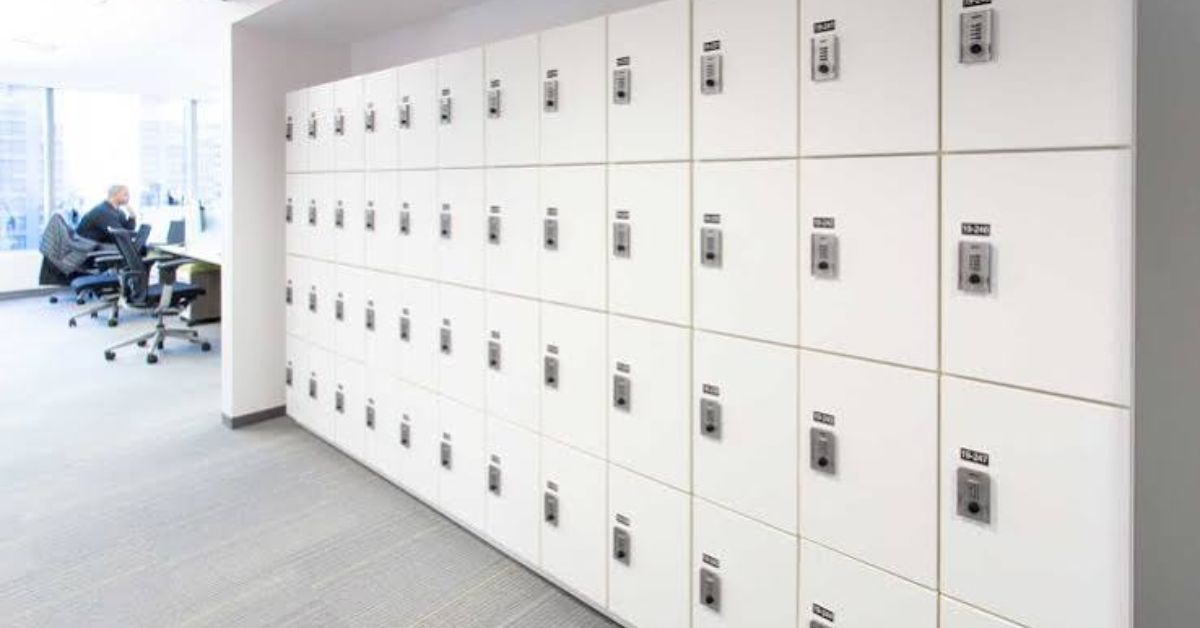
The number of tiers (or compartments) can drastically change how a locker functions:
Depending on your use case, you may want lockers that include:
Some industrial metal lockers are delivered fully assembled, while others come ready-to-assemble (RTA). If you have a maintenance team or staff capable of setup, RTA units can save money on shipping. However, pre-assembled lockers save time and reduce setup errors.
Size really does matter when it comes to industrial lockers. Here’s what to consider:
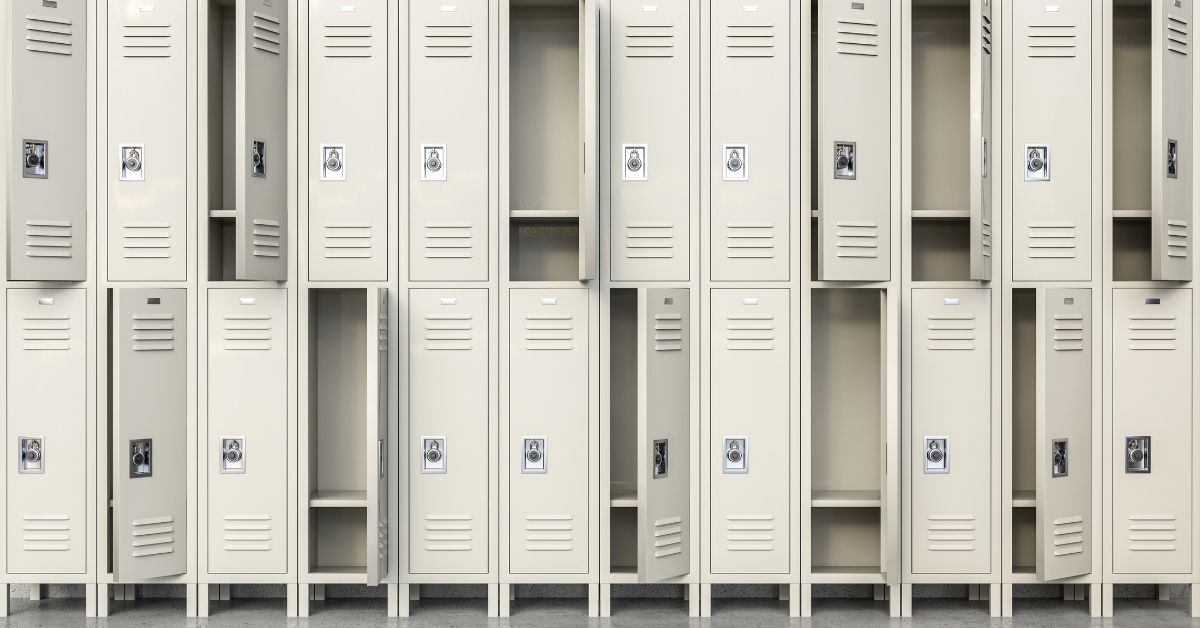
Standard lockers usually come in heights ranging from 60 to 72 inches. Full-length lockers are ideal for hanging clothing, while shorter units are more compact and stackable.
Typical locker widths range from 12 to 18 inches. Wider lockers are more comfortable for users but take up more wall space.
Lockers are usually 12 to 24 inches deep. The deeper the locker, the more storage space inside, but again, you’ll need to account for your available floor space.
Measure your available area carefully and consider the number of users who will need storage at the same time.
When investing in industrial storage lockers, durability isn’t just about material it’s about design and build quality too.
Pro tip: If your environment includes outdoor exposure or wash-down requirements, ask about galvanized or stainless steel options.
Industrial metal lockers are versatile and serve many industries:
You want lockers that perform well over the long haul. That means buying from a supplier who understands your needs and offers a range of lockers for sale that meet industrial standards.
One trusted name in the locker space is Lockers Unlimited, which offers a wide range of industrial options to suit various budgets and industries. Look for companies that offer consultations, installation services, and warranties it’s a sign they stand by their products.
Choosing the right industrial metal lockers isn’t just about picking something that looks good on paper. It’s about understanding the specific needs of your team, facility, and budget. From the size and style to security and durability, every feature should be tailored to support your workflow and environment.
Whether you’re outfitting a brand-new facility or upgrading worn-out lockers, take the time to evaluate your options carefully. With the right setup, industrial lockers can last for decades making them a smart and essential investment for your operation.