
If you’ve ever walked into a gym, school, or aquatic center and noticed lockers that still look brand new after years of use, there’s a good chance they were made of plastic. High-quality plastic lockers have quietly become one of the smartest storage choices for facilities that deal with moisture, heavy traffic, or harsh cleaning routines. They don’t rust. They don’t dent easily. And the right ones can last decades without showing their age.
But not every plastic locker on the market is built the same. Some look great in a catalog and fall apart within a year. So how do you tell the good from the gimmicky? This guide walks you through the features that actually matter – and the ones suppliers hope you don’t ask about.
The phrase “plastic locker” covers a lot of ground. On one end, you have thin-walled units made from cheap thermoplastics that warp under heat or crack with rough handling. On the other end, you have solid HDPE (high-density polyethylene) lockers built to withstand chlorine, daily slamming, and the occasional kick from a frustrated user.
The difference comes down to three things: material density, panel thickness, and hardware. A genuinely well-made unit uses solid HDPE panels that are typically 3/8 to 1/2 inch thick, with through-bolted stainless steel hardware that won’t corrode over time. Cheaper alternatives use hollow or laminated plastic that just can’t compete in tough environments.
If your facility deals with serious moisture exposure or industrial-grade wear, it’s worth comparing solid plastic options against phenolic lockers, which use a similar resin-based construction with a slightly different feel and finish. Both can handle harsh conditions. The right choice usually comes down to aesthetics, budget, and how the space will be used day-to-day by the people relying on it.
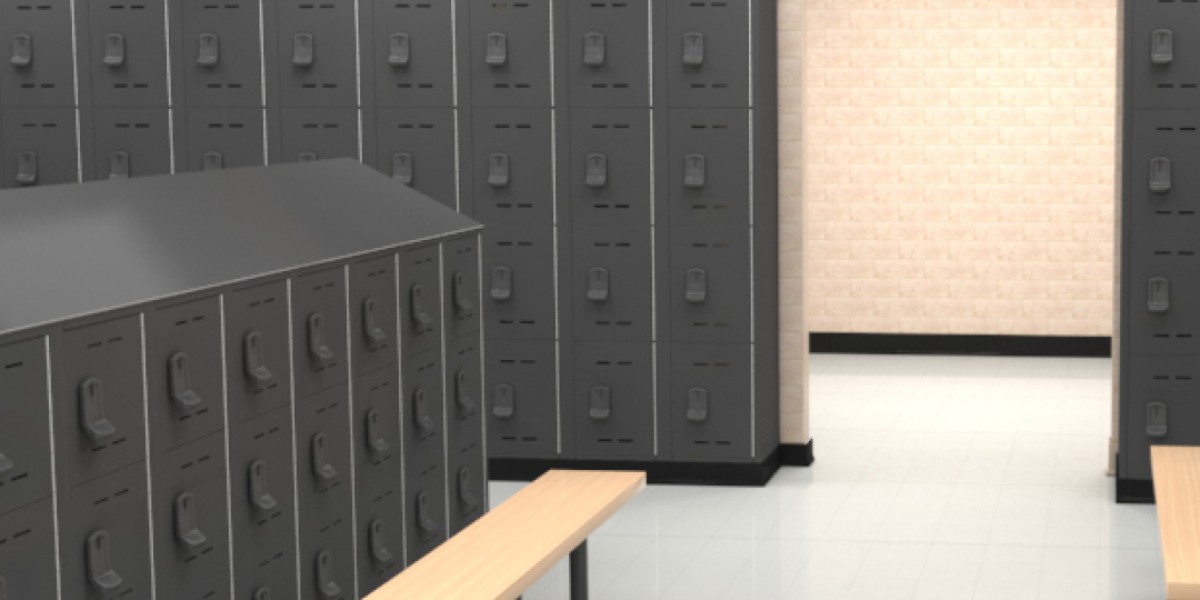
A few specific features make all the difference when you’re shopping for plastic storage. Pay attention to these and you’ll avoid most buyer’s remorse.
Reinforced hinges and locks. Look for continuous piano hinges rather than spaced individual hinges. They distribute weight evenly and won’t sag over time. Lock mechanisms should be ADA-compliant and easily swappable, since locks tend to fail before the locker body does.
UV stabilizers and color-fast finishes. Outdoor or sunlit spaces can fade lower-grade plastics within a single season. Quality units have UV-resistant additives baked into the resin itself, not just sprayed on top. You can browse different color and finish options to find something that matches your facility’s branding while still holding up to direct sunlight year after year.
Anti-graffiti and easy-clean surfaces. Solid HDPE doesn’t absorb ink, marker, or grime, so a quick wipe with mild cleaner takes care of almost anything. This is a huge deal for schools, public pools, and any high-traffic environment where vandalism or daily messes are part of the routine.
Ventilation. Properly engineered ventilation slots prevent mildew without sacrificing security or privacy. When you’re evaluating a solid plastic locker collection, check the spec sheets carefully – manufacturers who skip these details usually skipped them in production too.
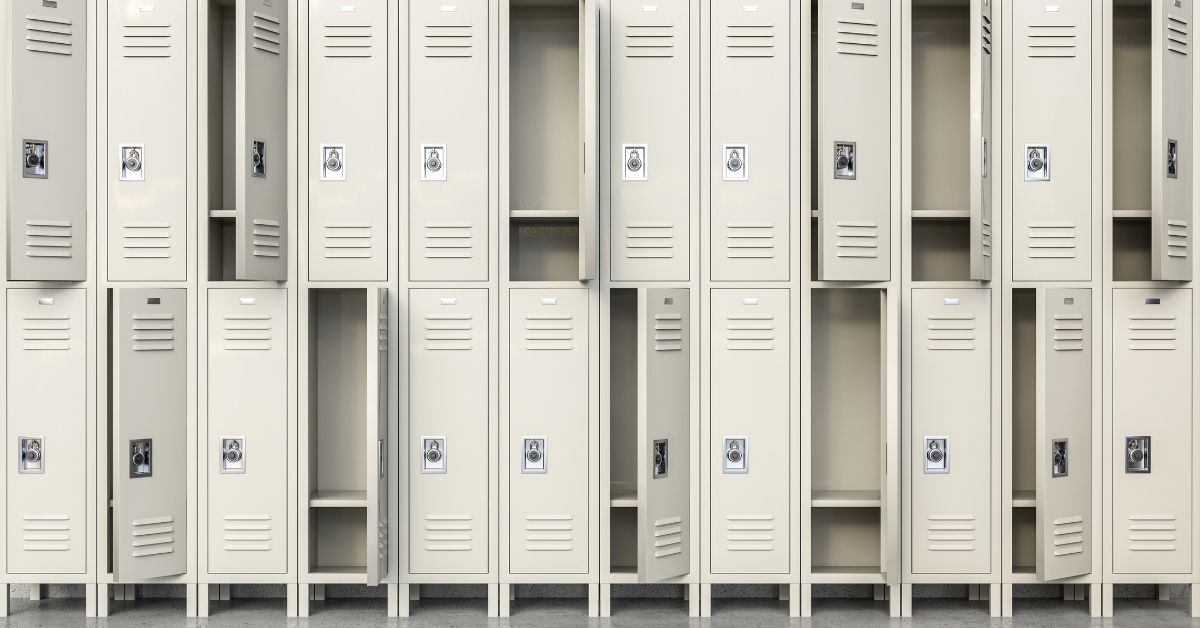
Plastic lockers shine in environments that would chew through steel within a few years. The most obvious example is anywhere with consistent moisture: pool decks, locker rooms, water parks, and beach clubs. Steel just doesn’t survive long-term exposure to chlorine and humidity, no matter how good the powder coat is.
They’re also a strong fit for gym lockers in fitness centers where sweat, body sprays, and constant use take a toll. Members appreciate the clean, modern look, and operators appreciate not having to repaint or replace units every five years.
Schools have moved heavily toward plastic in recent years too, especially in athletic departments and field houses. The material handles rough use from teenagers without showing dings the way steel does, and the colors stay vibrant longer.
Industrial settings with chemical exposure are another good fit. Food processing plants, marine facilities, and chemical labs all benefit from a locker material that won’t react to cleaning agents, salt spray, or solvents. If steel rusts in your environment within a year, plastic is almost always the smarter long-term play.
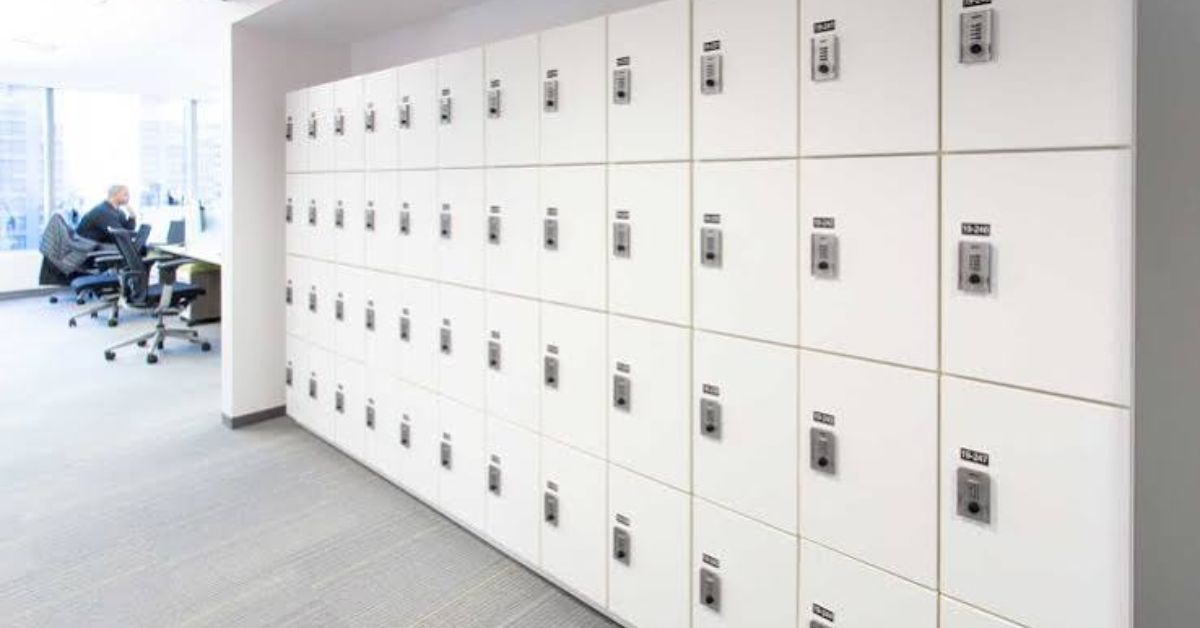
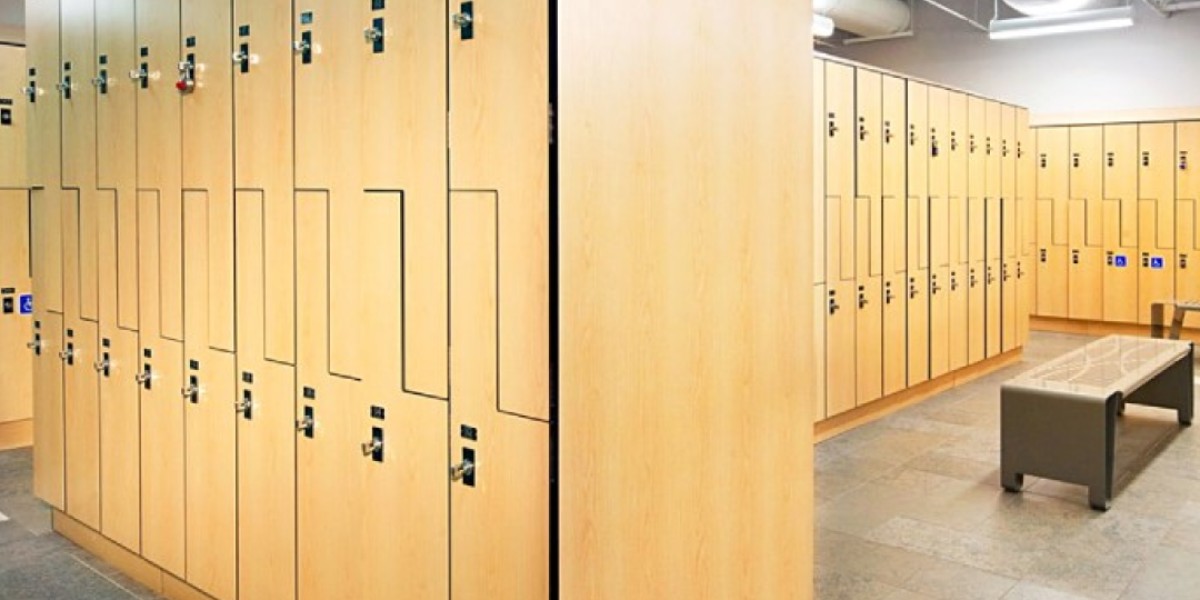
A high-end plastic locker doesn’t have to look industrial. Modern manufacturing has made it possible to get clean lines, bold colors, and even wood-grain-style finishes that look surprisingly upscale. If you’re outfitting a boutique fitness studio or a hospitality space, this matters more than people sometimes realize.
Pay attention to dimensions. Standard HDPE plastic lockers come in single-tier, double-tier, and multi-tier configurations, but the height, width, and depth can usually be tailored to your space. A locker that’s two inches too deep can throw off your whole floor plan, so always measure twice and confirm specs before ordering.
Hardware finishes are another easy upgrade. Brushed stainless steel hinges and locks pair nicely with matte plastic bodies and feel more premium than basic chrome. Number plates, custom engraving, and branded color-matching are all available from quality suppliers if you want a polished, cohesive look.
Don’t forget benches, end panels, and sloped tops. These finishing touches turn a row of lockers into a designed space. The best plastic locker brands offer matching accessories, so the whole installation reads as intentional rather than thrown together. It’s the small things that make a facility feel professional rather than purely functional.
This is where the value of high-quality plastic lockers really shows up. Cheaper units often arrive with poor packaging, missing hardware, or warped panels – turning installation into a multi-day headache. Premium products come well-protected, properly labeled, and engineered for straightforward assembly.
For larger orders, professional installation is almost always worth it. An experienced crew can knock out a hundred units in a day with proper alignment, anchoring, and finish work that would take an in-house team a week. Lockers Unlimited handles everything from layout planning to delivery and on-site setup, which removes a lot of friction from larger facility projects.
Maintenance is refreshingly simple. Solid plastic lockers don’t need painting, sealing, or rust treatment. Routine cleaning with a mild detergent keeps them looking fresh. If a panel ever does get damaged, individual components can usually be replaced without tearing apart the whole row.
When you add up the lower maintenance costs, the longer lifespan, and the resistance to environmental wear, the total cost of ownership for quality plastic lockers often beats steel within a decade. The upfront price is sometimes a little higher, but the math works out almost every time once you factor in repairs you won’t have to make.
Picking the right lockers isn’t glamorous, but it’s one of those decisions you live with for fifteen or twenty years. Take the time to feel the materials, ask about resin density, check hardware specs, and request references from similar facilities. A locker that costs a little more upfront but lasts twice as long is the better deal almost every single time. Your future self – and your future maintenance budget – will thank you for getting it right the first time.