
If you’re shopping for storage that can handle daily abuse and still look sharp ten years from now, metal is hard to beat. Schools, gyms, warehouses, and offices all keep coming back to steel for one simple reason: it lasts. But “metal locker” covers a huge range of products, and the right choice depends on what you’re storing, who’s using it, and where it’ll sit. This guide walks through seven of the most popular types of metal lockers for sale today, plus the features that actually matter, so you spend smart the first time around.
Plastic and laminate have come a long way, but metal remains the workhorse of the locker world. Heavy-gauge steel resists dents, holds up to slammed doors, and can be repainted or refurbished decades after installation. A quality powder-coated finish shrugs off scratches and corrosion, while welded seams and reinforced hinges keep the unit square even after years of use. For high-traffic spaces, that durability translates into lower replacement costs over time. If you want a deeper breakdown of construction quality and sizing, this buyer’s guide to industrial metal lockers is worth bookmarking before you shop.
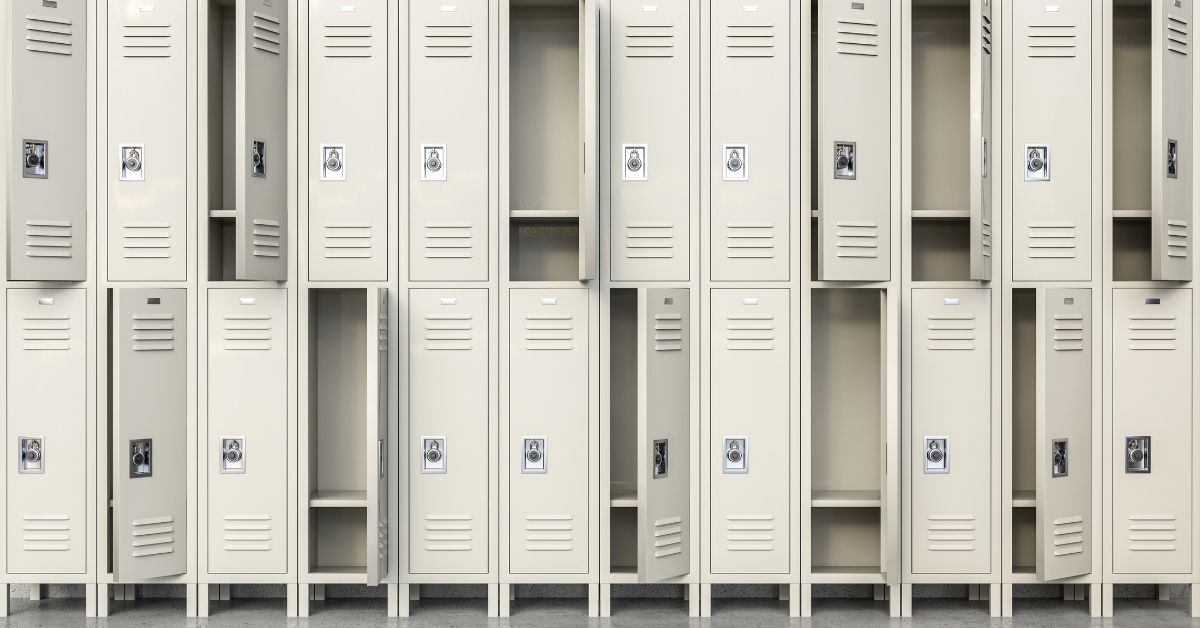
The classic. One tall door, one user, one big interior compartment. Single-tier units are the right pick when people need to store coats, bags, full uniforms, or tall equipment. You’ll see them in employee changing rooms, fire stations, and high school hallways. Most measure 60 to 72 inches tall and come with a built-in shelf at the top plus a coat rod or hooks. If your team carries gear or wears bulky outerwear, this is almost always the first style to consider.
When floor space is tight but you still want enough room for a backpack or duffel, double-tier lockers split the same footprint into two stacked compartments. Each user gets a half-height unit, usually around 36 inches tall. They’re a staple in middle schools and fitness centers, where storage needs are smaller and you want to fit more people along the same wall. Double-tier units cost roughly the same per body as single-tier, so you essentially double your locker count without doubling your floor plan.
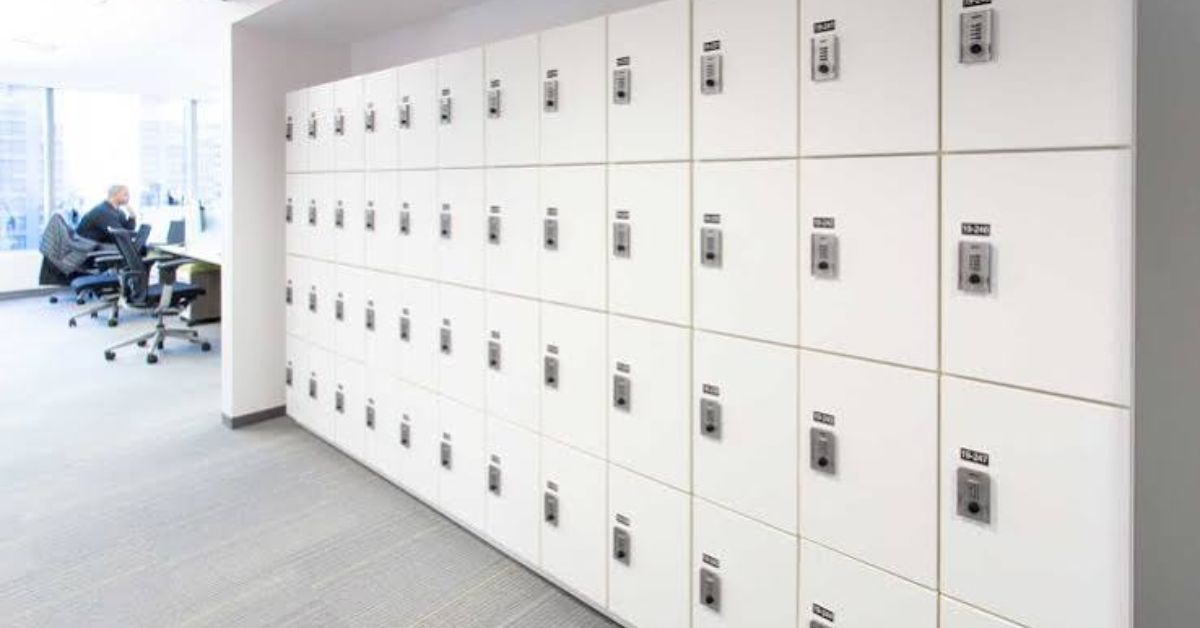
Three, four, five, even six tiers tall, box lockers are built for high-density storage of personal items like phones, wallets, lunch boxes, and uniforms. They’re the go-to for hospitals, factories, and call centers where employees need a secure cubby but don’t need to hang a coat. The compact size also makes them ideal for break rooms, mailrooms, and shared workspaces where you simply can’t spare wall space. Six-tier units can fit dozens of people in a footprint that would otherwise hold maybe eight standard lockers.
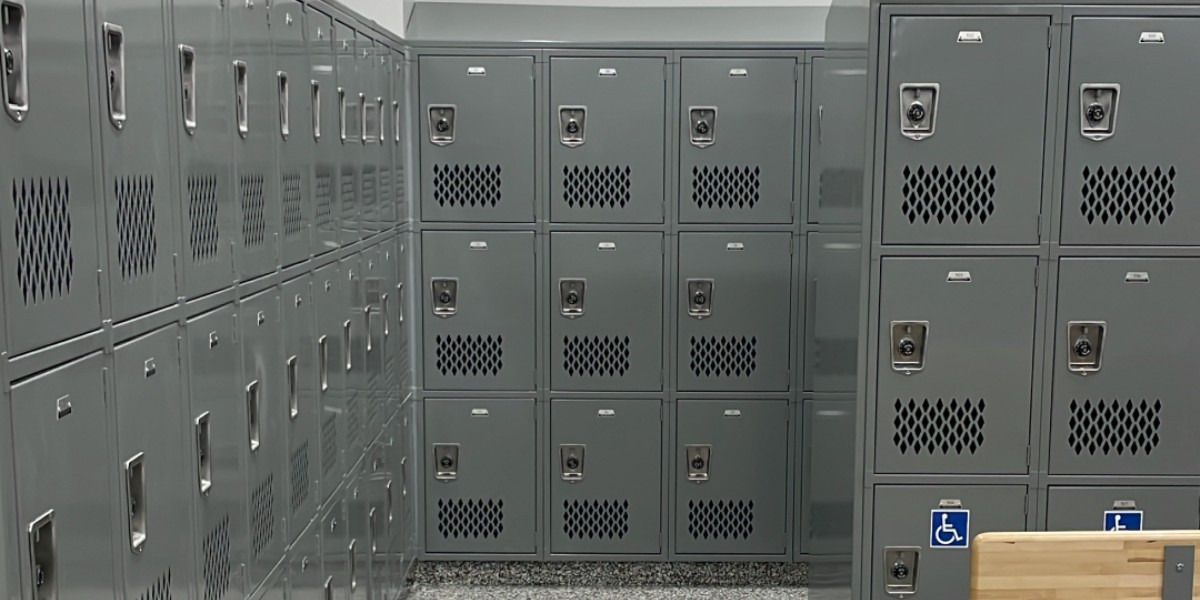
Open-front or ventilated, athletic lockers are designed for wet, sweaty, fast-moving environments. Perforated metal doors and panels let air flow through so damp clothing and equipment can dry between uses. You’ll find them in school locker rooms, sports facilities, and commercial gyms. Many models include a built-in number plate, a coat hook, and a footlocker base for shoes. If you’re outfitting a workout space, pair these with bench seating and clear sightlines, and consider pulling from new metal locker inventory if you want matching units across an entire facility.
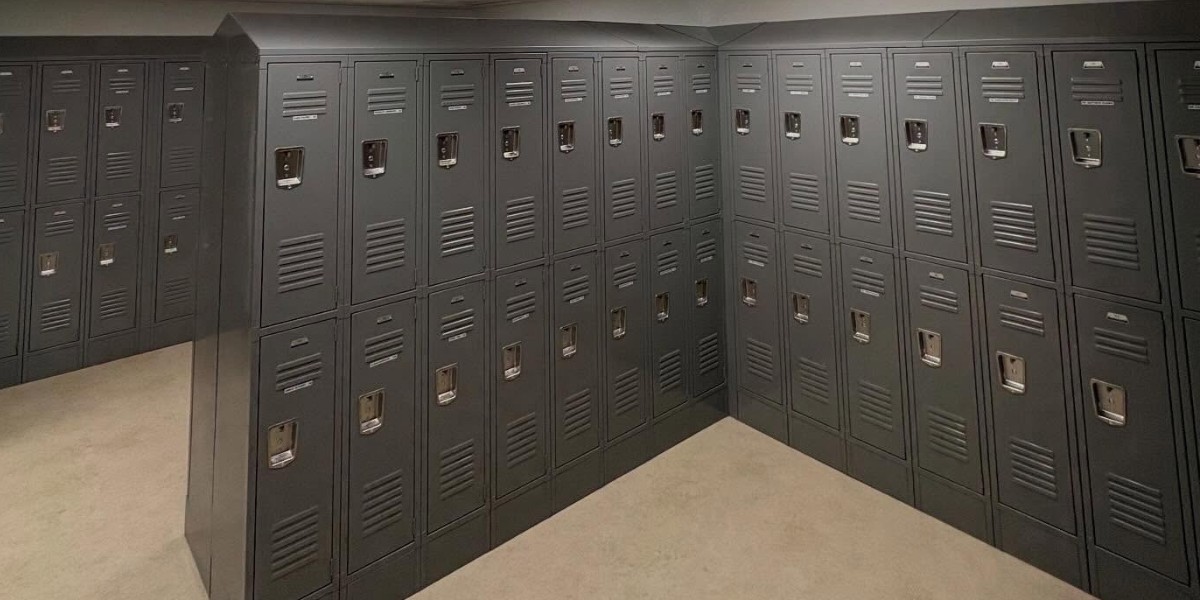
These are the tanks of the locker world. Built with 12 to 14-gauge steel and reinforced welded frames, heavy-duty industrial units stand up to oil, dust, chemicals, and constant abuse. Manufacturing plants, auto shops, warehouses, and military facilities all rely on them. Many come with ventilation cutouts, locking handle systems, and integrated foot pegs for boots. If you’re storing tools, safety gear, or valuable equipment in a tough environment, the upgrade from standard to industrial-grade is worth every dollar.
A wardrobe locker is essentially a slimmer, more polished single-tier unit. Designed primarily for hanging clothing, they include a coat rod, hat shelf, and sometimes a mirror. Hotels, country clubs, and corporate offices use them where appearance counts as much as function. The finishes lean modern, with flat blacks, soft grays, and deep blues, and the construction still uses durable steel underneath. These are also a smart pick for high-end gym locker rooms where the design feels closer to a boutique fitting room than a school hallway.
Stadium-front lockers ditch the door entirely or replace it with an angled, open front, giving athletes and team members easy access without fumbling with a lock. Each unit usually has a top shelf, hooks, and a base bench, with optional padlock-ready security boxes for valuables. College and pro sports facilities have been using them for years, but they’re also popular for varsity team rooms, dance studios, and outdoor recreation centers. Pairing them with the right locker accessories like name plates, number tags, and integrated benches turns a basic install into a polished team space.
Before signing off on a purchase, run through a quick checklist. Confirm the gauge of the steel: 16-gauge is standard, 14-gauge is heavy-duty, 12-gauge is built for industrial environments. Verify the finish, since powder coat resists rust far better than enamel paint. Decide on a locking system: padlock hasps are cheap and flexible, built-in combination locks are easier for daily use, and electronic locks suit shared or rotating users. Lockers Unlimited has been outfitting schools, gyms, and businesses with these systems since 1992, so working with a vendor that understands both the product and the install matters more than chasing the lowest sticker price.
If budget is tight or you want a sustainable option, refurbished steel can deliver the same durability at a fraction of the cost. Quality refurbishment includes sanding, dent repair, fresh powder coating, and replacement of damaged hardware. For schools, churches, and small businesses, looking through used locker options often makes more financial sense than buying brand-new, especially if you don’t need a specific color or finish. New lockers, on the other hand, give you full warranty coverage, custom configurations, and the latest designs. Either path can work; it depends on your timeline, your space, and how unique your project is.
Don’t overlook the boring stuff. Measure your wall space twice. Account for door swing, aisle clearance, and ventilation if the room doesn’t get much airflow. Think about how users will move through the space at peak times, because locker rooms get crowded, and a poor layout creates traffic jams every shift change. If you’re not sure where to start, this locker buying guide covers planning factors like security tiers, ventilation, and aesthetic match. It’s worth reading before you commit to a configuration you can’t easily change later.
Steel lockers aren’t glamorous, but the right ones quietly support your space for decades. Pick the type that fits how people actually use the room, check the gauge and finish, and don’t skip the planning step. Whether you need ten lockers for a small office or a hundred for a school renovation, matching the metal lockers for sale to the environment is what separates a good buy from a regret.