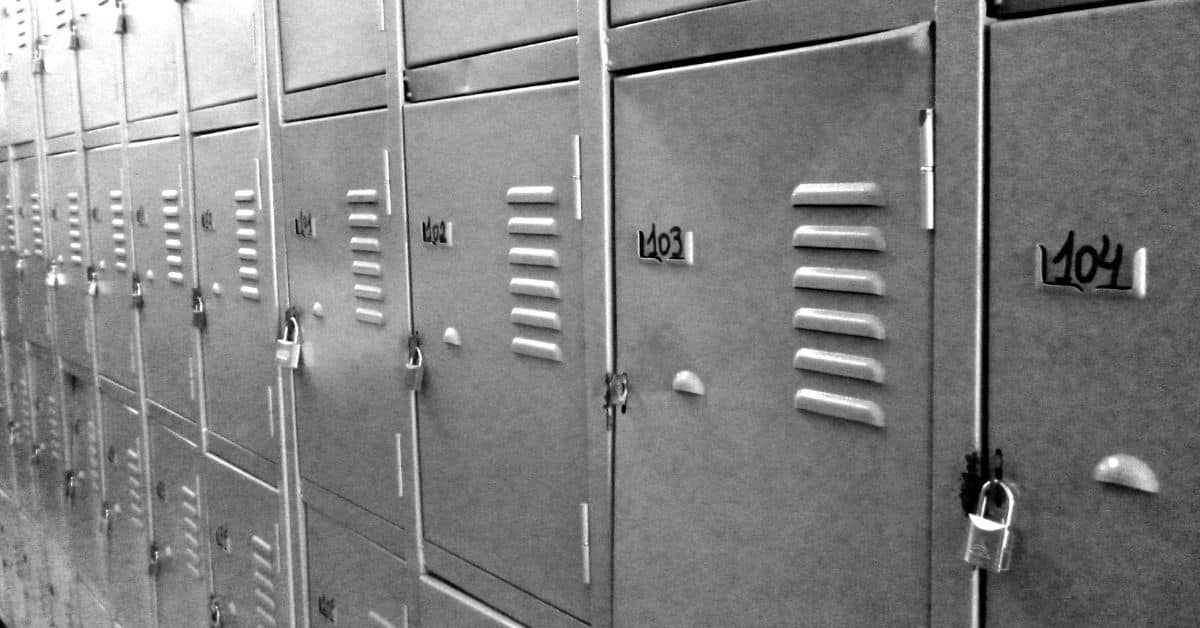
The debate between wood, plastic, and metal storage usually ends the same way: metal wins on durability. Cold-rolled steel construction resists dents, moisture damage, and pest intrusion in a way that particleboard shelving simply can’t. In high-humidity environments like garages or industrial floors, metal cabinets won’t swell, delaminate, or warp like wood tends to do.
Beyond raw strength, steel cabinets also offer fire resistance. In a garage storing flammable materials – paint cans, solvents, aerosols – having storage that doesn’t accelerate combustion matters. Many heavy-duty metal cabinets are engineered to slow the spread of fire, which can make a real difference in an emergency.
If you’re thinking about what factors affect a [metal cabinet’s] long-term security and structural performance, the quality of the lock mechanism, hinge construction, and gauge of the steel all play direct roles. Thicker gauge steel (18-gauge or lower numerically) means a heavier, more resistant cabinet. Thinner gauges (20–24) are lighter and more affordable but better suited to lower-security needs like general office supply storage.
There’s also the maintenance angle. Metal cabinets with powder-coat finishes resist scratches and corrosion over time. You wipe them down, they stay looking clean. You don’t have to sand, repaint, or refinish them every few years the way you would with wood.
Homes have become increasingly multi-functional spaces. A spare bedroom doubles as a home office, the garage serves as a workshop and gym, and mudrooms are expected to handle sports gear, cleaning supplies, and seasonal equipment all at once.
For home use, you’ll typically want metal cabinets that balance function with aesthetics. Tall, two-door steel cabinets work well in laundry rooms for storing detergents, cleaning supplies, and tools out of reach of children. Lateral metal file cabinets fit naturally in home offices, keeping documents organized and secure. If you have a mudroom or entryway, a narrow metal locker-style cabinet gives everyone in the household a dedicated space for shoes, jackets, and bags.
For those who want flexible custom storage lockers for every space, adjustable shelving inside the cabinet is something worth prioritizing. The ability to reconfigure interior shelf heights means one cabinet can serve multiple purposes as your needs evolve over the years.
Color also matters more at home than in industrial settings. Most metal cabinets come in neutral tones – gray, black, or tan – which blend into most interiors without looking like a warehouse dropped a piece of equipment in your living space.
Office storage is about more than just keeping things tidy. It’s about compliance, confidentiality, and workflow. Offices deal with sensitive documents, expensive equipment, and shared employee belongings – all of which benefit from secure, organized storage.
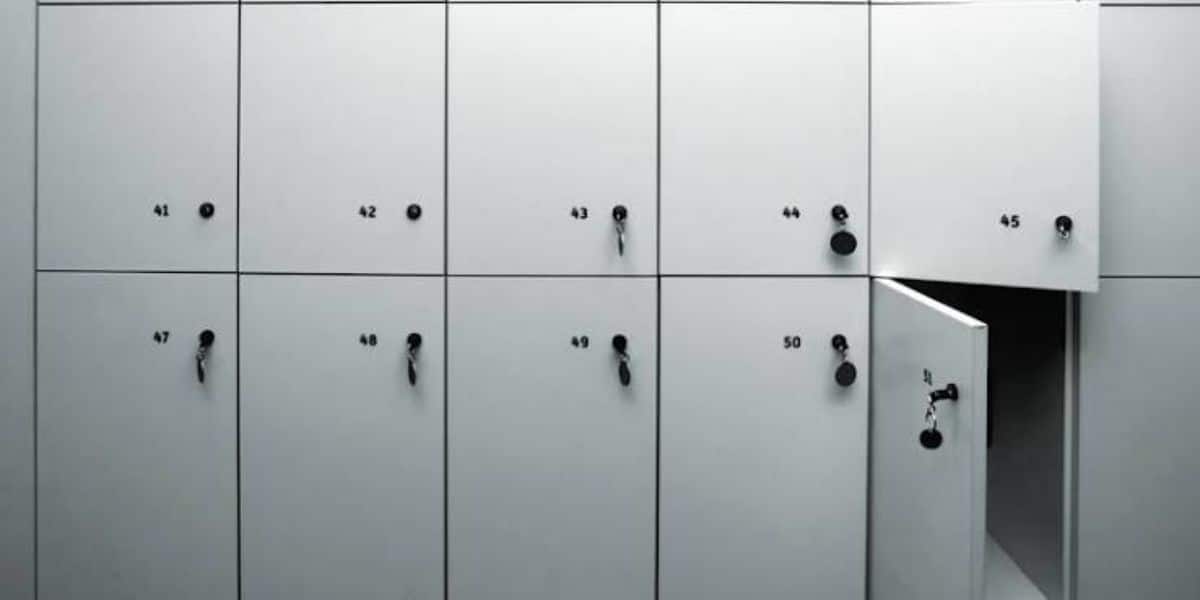
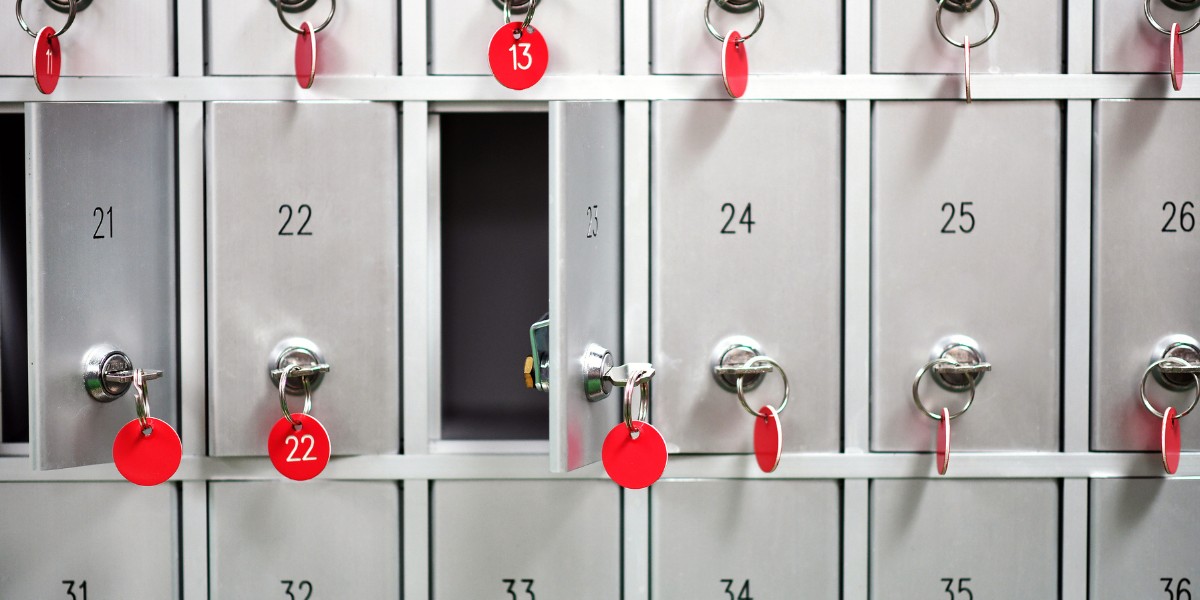
Lateral filing cabinets remain the most common metal cabinet choice in professional settings. They offer wide drawers that hold hanging folders efficiently, with locking mechanisms to protect confidential records. For shared workspaces, personal storage lockers give employees a secure space for their belongings – something increasingly important as hot-desking and shared office layouts become standard.
When evaluating metal cabinets for offices, security is the top concern. Understanding what makes a locker secure and how to improve locker safety goes beyond just picking a lock type – it involves evaluating the door frame reinforcement, hinge design, and overall construction of the cabinet body itself.
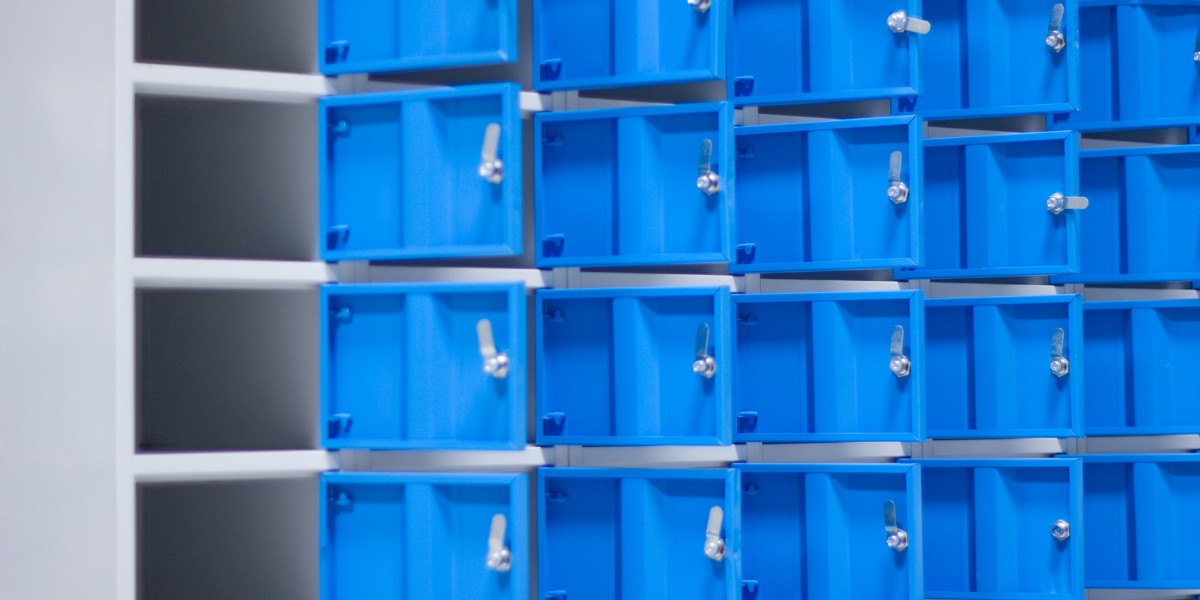
For larger office environments or commercial spaces that need heavy-duty storage, industrial-grade metal lockers and cabinets are a step up. These are built with heavier steel, reinforced doors, and commercial-grade locking systems that standard home-store cabinets simply can’t match.
Lockers Unlimited carries a range of metal storage solutions designed specifically for professional environments where durability and security aren’t optional extras – they’re baseline requirements.
The garage is where storage solutions really earn their keep. Tools, power equipment, automotive supplies, seasonal decorations, sporting goods – the average garage holds a staggering variety of items that need organized, accessible storage.
Metal cabinets designed for garage use typically feature heavier-gauge steel construction, welded frames, and adjustable shelving that can hold substantial weight. Wall-mount options free up floor space, while full-height freestanding cabinets maximize vertical storage capacity. Some come with pegboard or tool-rail attachments on the side, adding even more organizational utility.
For homeowners looking for garage storage specifically, exploring what garage lockers can do for your space is a good place to start. Beyond basic cabinetry, garage storage systems can include combination units with drawers, shelves, and cabinet doors all in one modular configuration.
If you want practical ideas for making the most of the space you have, garage locker organization ideas can point you toward configurations that work for different garage sizes and usage patterns – whether you’re running a serious DIY workshop or just trying to fit the car back inside.
One feature worth prioritizing in garage metal cabinets is a recessed handle or flush door design. Protruding handles on doors and drawers get knocked around in busy garages, and over time they bend, break, or simply become an annoyance. Recessed pulls hold up far better under daily use.
With so many options on the market, narrowing down your choice comes down to a few key factors:
Steel gauge. Lower numbers mean thicker steel. 18-gauge is standard for quality commercial cabinets. 24-gauge works fine for lighter office or bedroom storage but won’t hold up in a garage or industrial setting.
Locking mechanism. Cam locks are common on lighter cabinets and are easy to duplicate – not ideal for sensitive storage. Three-point locking rods that secure the door at top, middle, and bottom are far more secure and worth the added cost.
Adjustable shelving. Cabinets with fixed shelves limit your flexibility. Look for units with shelf pegs or slotted rails that let you reconfigure interior height as needed.
Powder-coat finish. Bare steel will rust in humid environments. A quality powder-coat finish protects the metal and makes cleaning easy. Some cabinets include antimicrobial coatings – useful in healthcare, food service, or gym environments.
Assembly vs. welded construction. Bolted-together cabinets can loosen over time, especially in environments with vibration or heavy use. Welded construction is sturdier and lasts longer.
Taking the time to evaluate these factors before purchasing will save you from a cabinet that looks good in a product photo but frustrates you within a few months of real use.
If you need storage that genuinely holds up – whether that’s in a busy home, a professional workspace, or a working garage – a well-chosen metal cabinet is one of the most practical investments you’ll make. Think about how the space is used, what you’re storing, and what level of security you actually need. The right cabinet will be something you stop noticing because it just works.
For heavy-duty use in garages or industrial settings, 18-gauge steel offers a strong balance of durability and weight. For lighter office or home use, 20 to 22-gauge is usually sufficient. The lower the gauge number, the thicker and more durable the steel.
Bare steel will rust if exposed to moisture, but most quality metal cabinets come with powder-coat or enamel finishes that protect against corrosion. In particularly humid environments like garages or pool rooms, look for cabinets with rust-resistant coatings and consider placing moisture-absorbing packets inside.
Generally yes. Metal cabinets resist moisture, temperature changes, and pests in ways that wood can’t match in a garage environment. Wood can warp, swell, and attract termites, while steel cabinets maintain their structural integrity even in harsh conditions.
Three-point locking systems – where the door secures at the top, middle, and bottom simultaneously – offer significantly more security than single-point cam locks. For sensitive storage, look for cabinets with key locks or combination locks with anti-pick features.
This varies by manufacturer and gauge, but most commercial-grade metal cabinet shelves are rated for 150 to 300 pounds per shelf. Always check the product specifications and avoid exceeding the stated load capacity, especially if storing heavy tools or equipment.
Most standard metal cabinets are designed for indoor use and will corrode with prolonged outdoor exposure. If you need outdoor storage, look for cabinets specifically rated for exterior use with weatherproof sealing, galvanized steel construction, or heavy-duty powder-coat finishes designed to resist UV and rain.