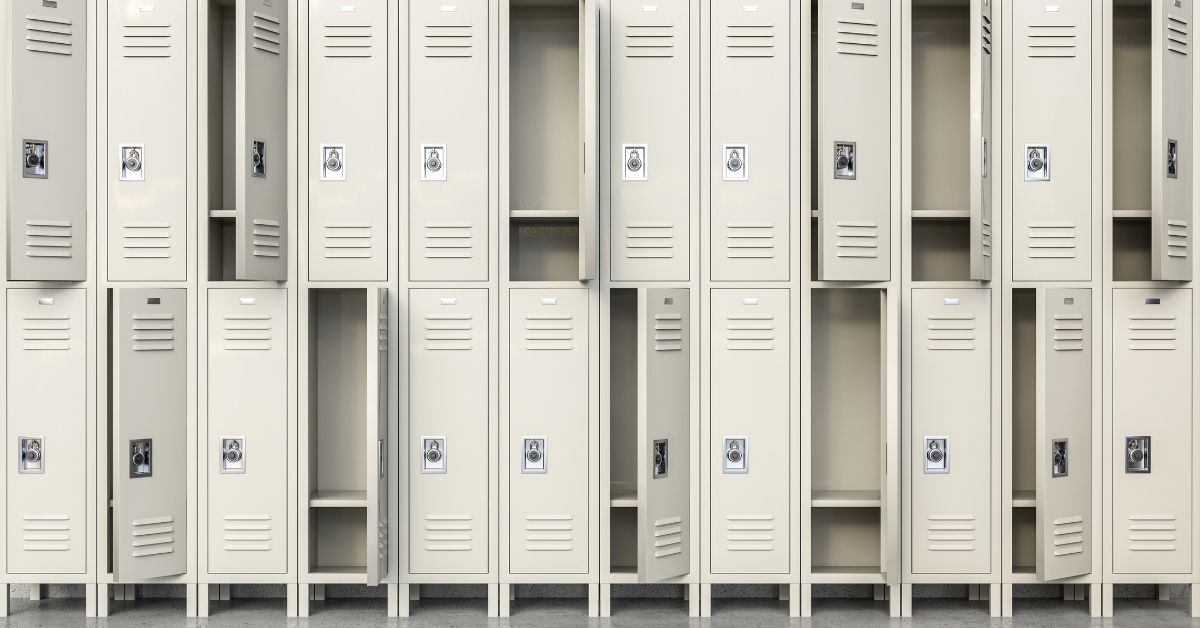

If you manage a gym in Charlotte, you already know how quickly equipment costs add up. Flooring, weights, cardio machines, mirrors -and then there are the locker rooms. Used lockers in Charlotte have become a popular solution for fitness facility owners who need quality storage without blowing their renovation budget. But are they actually worth it? Here is an honest look at the pros, the pitfalls, and what to watch for before you buy.
Charlotte’s fitness market is competitive. New studios and boutique gyms are opening regularly, and even established facilities are constantly upgrading to keep members happy. Locker rooms play a bigger role in member satisfaction than most gym owners realize -a cramped, broken-down changing area sends people to the competitor across the street.
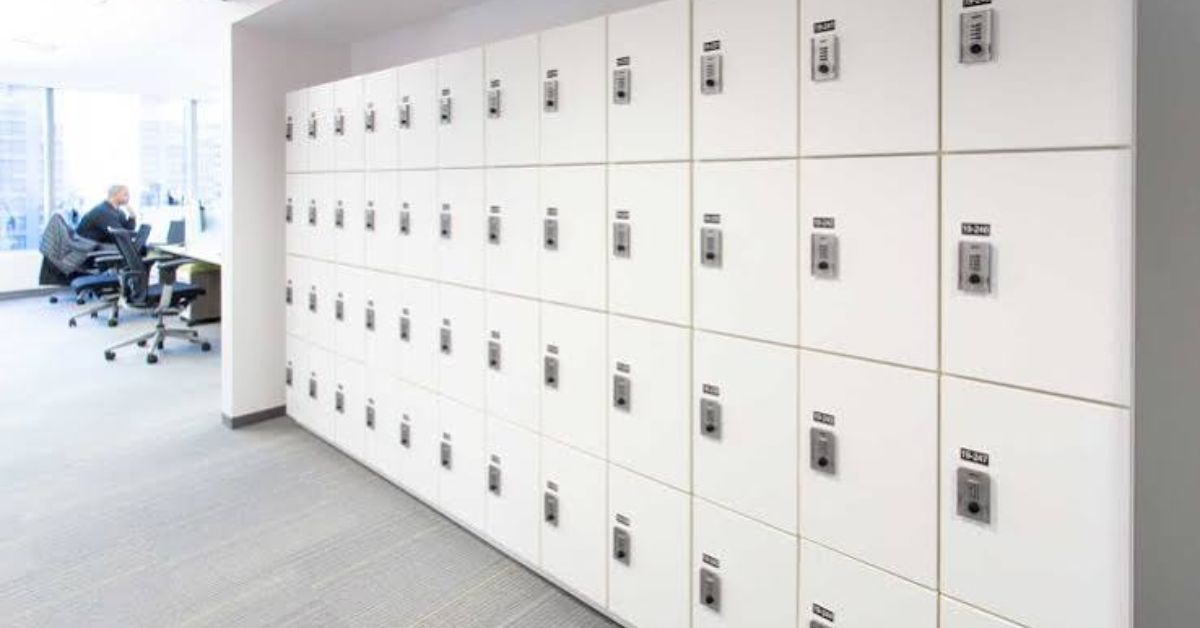
Used lockers give you a way to completely refresh a locker room at a fraction of the cost of buying new. A quality set of refurbished steel lockers can look nearly identical to brand-new units once they are cleaned, painted, and fitted with new hardware. For a mid-size gym with 40 to 80 locker bays, that cost difference can be tens of thousands of dollars.
The key is knowing what condition to expect. Well-maintained commercial lockers from schools, offices, or fitness centers often have years of life remaining. When you know what to look for before buying used lockers, you avoid the units with structural damage, bent frames, or rusted interiors that are more trouble than they are worth.
Not all used lockers are created equal. Gym environments are humid, and locker rooms see heavy daily use. Before committing to a batch of second-hand units, here is what to check:
Door alignment matters most. Doors that sag, stick, or do not latch cleanly are a maintenance headache from day one. Check that hinges are tight, doors swing freely, and latches engage without force. Bent frames and warped doors are often signs of rough handling during removal or improper stacking during storage.
Look at the interior surfaces carefully. Rust on interior walls is a common deal-breaker for gym use -sweaty clothing and wet towels will accelerate any existing corrosion. Cosmetic rust on exterior surfaces is usually fixable with proper prep and paint, but interior rust is harder to remediate and will worsen over time.
Hardware is another area to evaluate carefully. Understanding which locker parts are easily replaceable versus which signal deeper problems will help you make a smarter purchase decision. Handles, locks, and coat hooks are inexpensive to swap out. Damaged door frames or cracked welds are not.
Gym locker rooms have specific requirements that differ from school or office environments. Ventilation is critical -solid-front lockers trap heat and odors, which makes vented steel doors or louvered panels far preferable in a fitness facility. When evaluating used inventory, prioritize units with adequate airflow.
Size matters too. Standard 12-inch wide single-tier lockers work well for day-use gym lockers. But if your members need full-length storage for hanging clothes or storing sports gear like gym bags, two-tier or three-tier configurations may not cut it. Confirm measurements before purchasing, because mixing locker sizes in a single bank looks inconsistent and complicates installation.
ADA compliance is another factor that often gets overlooked. If your facility has or is planning an ADA-compliant locker room, make sure any used units you source meet those requirements. High-quality gym lockers that boost member satisfaction go beyond aesthetics -they also need to meet accessibility standards that protect your business from liability.
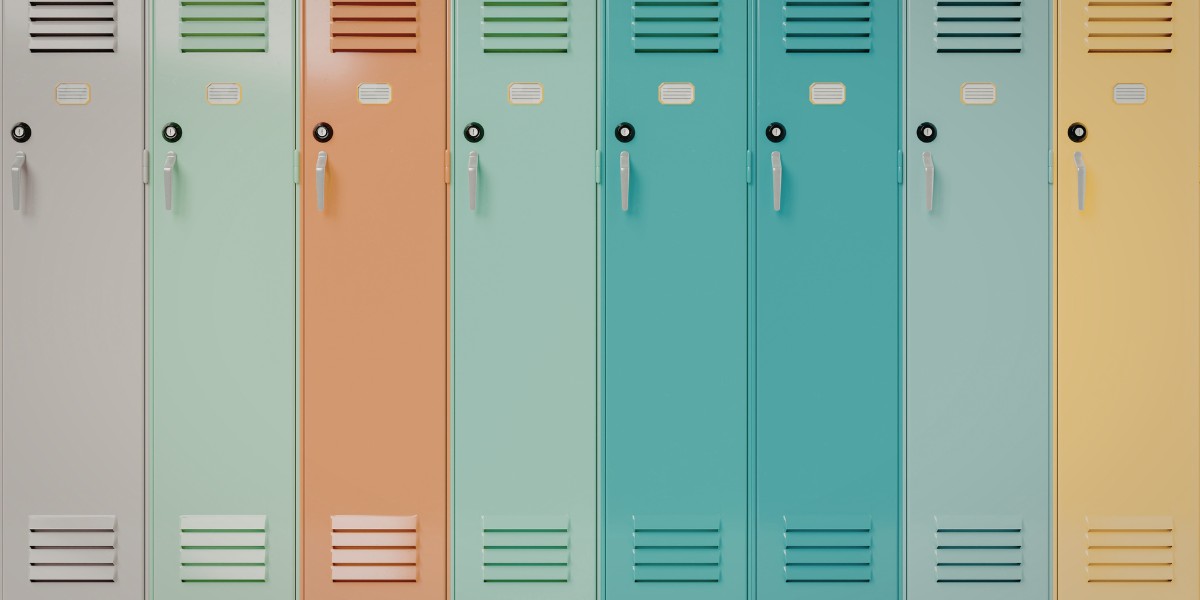
Color and finish are the easiest things to change, so do not let surface appearance be your primary decision driver. A coat of powder-coat paint in your gym’s brand colors can transform dated beige lockers into something that looks intentional and professional. Focus your inspection energy on structural integrity and ventilation.
Here is where used lockers in Charlotte make a compelling case. New commercial steel lockers typically run between $150 and $400 per unit depending on size, tier configuration, and locking mechanism. A gym with 60 lockers could be looking at $9,000 to $24,000 just for the units, before installation.
Quality used commercial lockers can often be sourced for 40 to 60 percent less. Factor in refinishing costs -usually $20 to $60 per unit for a professional repaint -and new hardware if needed, and you are still looking at significant savings. That budget difference can fund other member-facing improvements, or simply protect your bottom line.
Lockers Unlimited has served facility managers throughout the Carolinas with both new and refurbished locker solutions, helping gyms, schools, and businesses find the right fit for their space and their budget. For gym owners comparing options, looking at used gym lockers that are available locally can reveal solid inventory that saves money without compromising quality.
One practical tip: buy slightly more units than you need. Having 5 to 10 spare lockers on hand means you can swap out damaged units quickly without waiting on a reorder. For a high-traffic gym locker room, that spare inventory pays for itself the first time a door gets bent or a unit needs replacing.
Used lockers require the same installation care as new ones. Anchor them to walls or floors per manufacturer specifications -a freestanding bank of heavy steel lockers is a safety liability if it is not properly secured. If you are reconfiguring an existing locker room, confirm that your new layout accommodates ADA clearance requirements and provides enough aisle width between facing locker banks.
The installation process itself is worth researching before you commit to a layout. A step-by-step guide to locker installation walks through the practical steps that apply to both new and refurbished units.
Used lockers in Charlotte are a smart, practical choice for gym locker rooms when sourced thoughtfully. Inspect before you buy, confirm measurements, and budget for refinishing if needed. The savings are real, and with the right supplier and installation, your members will never know the difference.
Yes, when properly cleaned and refinished. Used commercial lockers can be thoroughly sanitized, and any interior rust or surface damage can be addressed during refurbishment. A powder-coat repaint seals surfaces and makes them easier to keep clean going forward.
Quality steel commercial lockers have a lifespan of 20 to 30 years or more. Even a used locker that is 10 years old may have significant life remaining, especially if it came from a low-traffic environment like an office. Inspect carefully and you can find units that will serve your gym for another decade or two.
Single-tier full-length lockers (usually 60 to 72 inches tall) are ideal for gyms where members store full changes of clothes or hang jackets. Two-tier lockers work well for day-use facilities where members just need space for a bag and valuables. Confirm internal dimensions match your members’ actual storage needs.
You can, but it takes planning to make them look cohesive. Matching paint colors and hardware finishes goes a long way toward creating a unified appearance. Banks of all-used or all-new lockers side by side look cleaner than a random mix.
Day-use gyms often prefer built-in combination locks or coin-return locks that do not require members to bring their own padlock. Membership-based gyms may opt for built-in key locks assigned to individual members. Used lockers can be re-keyed or fitted with new locking hardware relatively easily.
Most used locker sellers do not offer manufacturer warranties, since those are typically non-transferable. However, reputable suppliers will stand behind their inventory with a satisfaction or return policy. Ask about the sourcing history and any refurbishment work performed before you buy.