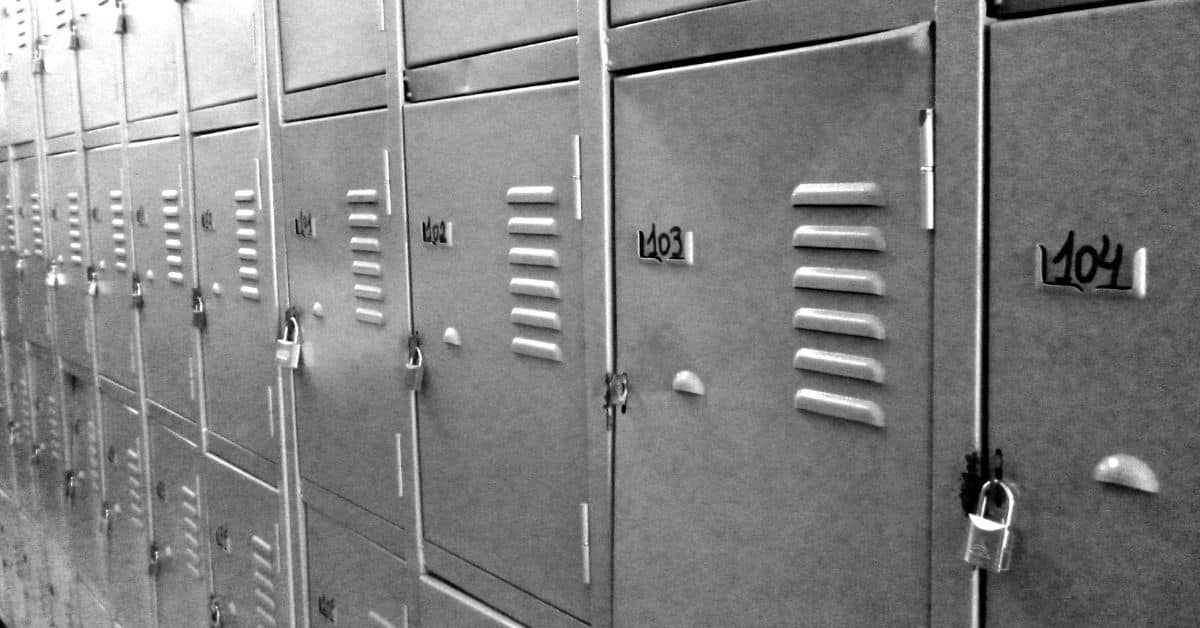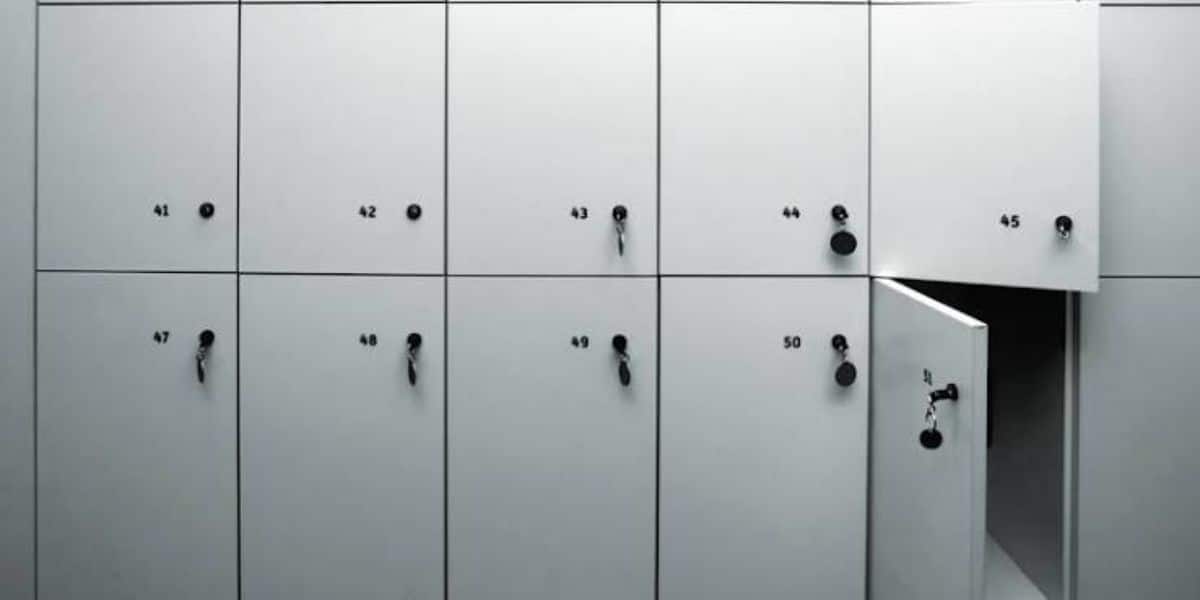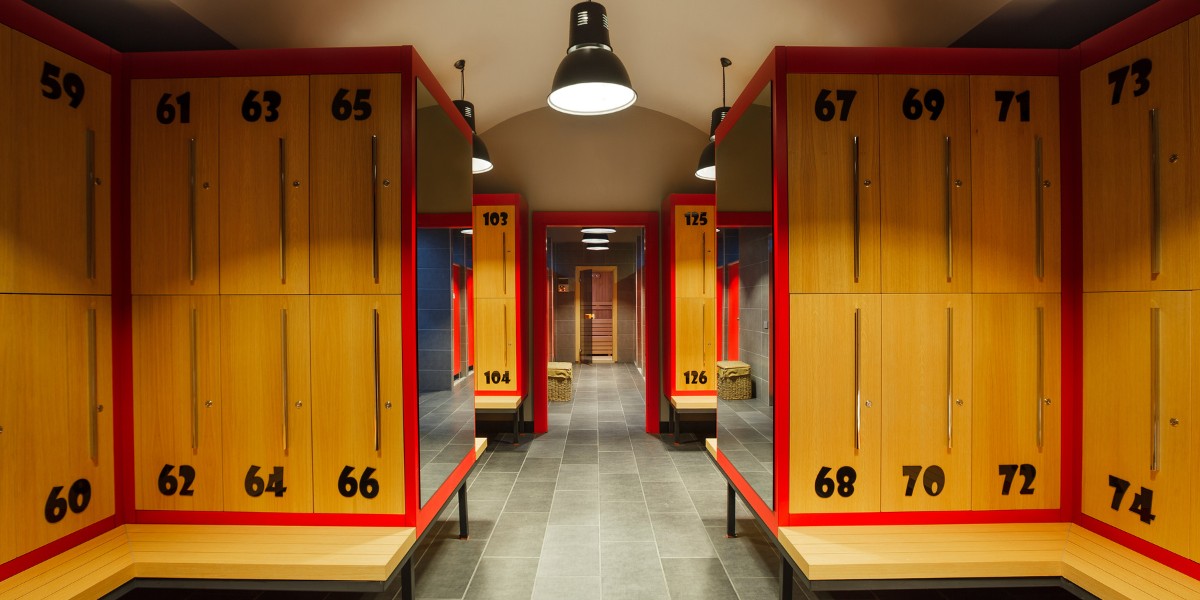
When thousands of fans pour through the gates on game day, the last thing an arena manager wants is chaos at the entrance. Yet that’s exactly what happens when storage is an afterthought. Stadium front lockers solve a real operational problem – they give attendees a secure, accessible place to drop bags, jackets, and personal items so they can enjoy the event without hauling everything around. Choose the wrong units, though, and you’ll face constant maintenance calls, frustrated staff, and security headaches. This guide breaks down what actually matters when selecting stadium front lockers for arenas and sports facilities.
Front-of-house lockers in a stadium setting aren’t the same as the ones you’d find in a school hallway or a gym changing room. They take a beating – thousands of open-and-close cycles per season, exposure to outdoor elements if placed near entry points, and constant contact with wet umbrellas, muddy shoes, and bulky gear. A unit that looks great in a catalog can fail inside six months if it wasn’t built for that kind of volume.
Beyond durability, there’s the visitor experience angle. A slow, confusing locker system at the entrance creates a bottleneck before the first whistle even blows. Fans want to check in and get to their seats fast. Athletic lockers built for high-impact use are specifically engineered with reinforced hinges, heavy-gauge steel bodies, and locking mechanisms that can handle repetitive, high-frequency use without jamming or sagging. That engineering difference is immediately visible in how smoothly your front-of-house operation runs on a packed event night.
Staff also benefits. Well-designed stadium front lockers are easier to service, audit, and clean between events. When something breaks at halftime, your team needs to fix it in under five minutes – not hunt down an obscure replacement part or call a technician.
Steel remains the gold standard for high-traffic public locker installations. Cold-rolled steel with a powder-coat finish resists corrosion, graffiti, and denting far better than cheaper alternatives. For facilities near outdoor concourses or humid climates, stainless steel or heavy-duty laminate options are worth considering because they won’t rust when moisture creeps in.
Lock type is where facility managers often make a costly mistake. Coin-operated mechanisms feel dated and create cashflow complexity. Electronic keypad or RFID locker systems are faster and more user-friendly, and they generate useful usage data you can review after each event. Some arenas are moving toward app-based locker access, which integrates neatly with ticket apps fans already have on their phones.
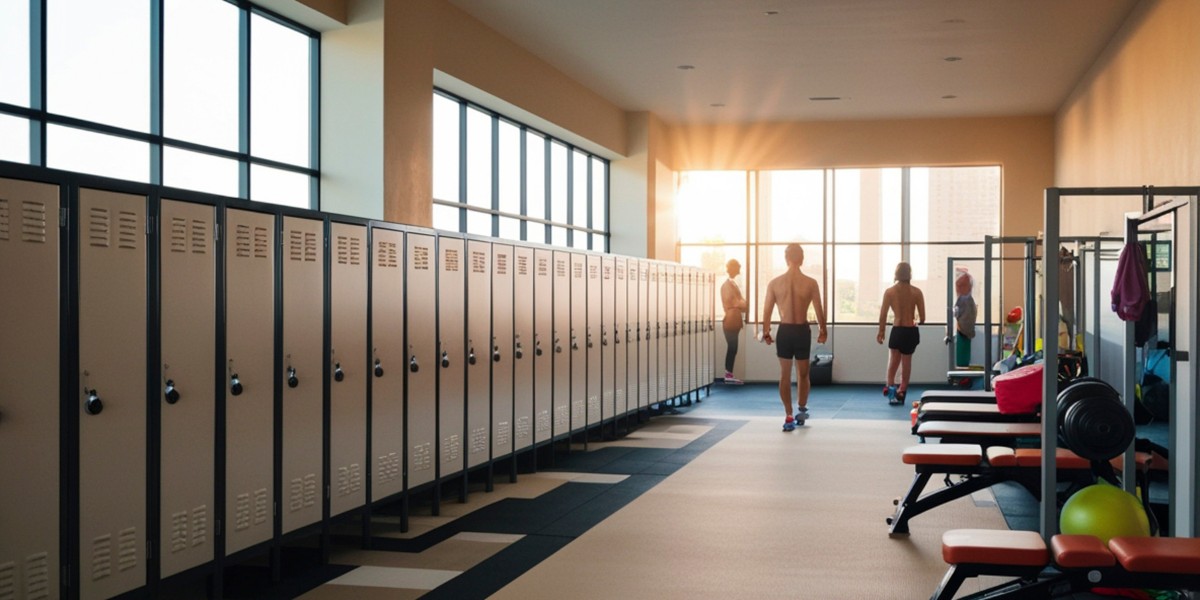
For events involving large bags and prohibited items, locker depth matters a lot. Standard lockers are often too shallow for backpacks, small strollers, or camera bags. Look for units with at least 18 to 20 inches of interior depth at the front-of-house stations. If your facility also has VIP or premium zones, it’s worth investing in executive-style lockers with upgraded finishes that match the aesthetic of those spaces without compromising on function.
Not all stadium entrances are built the same. A 20,000-seat arena has wildly different throughput demands than a 5,000-seat minor league ballpark. Before you commit to a locker configuration, map out your peak arrival windows. Most arenas see 60 to 70 percent of their crowd arrive within a 30-minute window before tip-off or first pitch. Your front-of-house locker bank needs to handle that surge without creating a secondary queue.
A good rule of thumb is to plan for roughly one locker unit for every 15 to 20 frequent users at peak – but that number shifts based on your event type. Concerts tend to generate more bag storage demand than sporting events. Mixed-use arenas hosting both benefit from modular configurations that can be adjusted seasonally.
Column-style locker towers work well in concourse corners and near security screening areas. Wall-mounted locker banks are efficient where floor space is tight. Whatever layout you choose, finding the right custom storage configuration ensures you’re not forcing a one-size-fits-all solution onto a space that needs something specific. Custom sizing and color matching to your facility’s branding palette are both standard options from reputable locker suppliers today.
ADA compliance is non-negotiable in public venues. Ensure that a percentage of your locker units are accessible at appropriate heights, with hardware that meets ADA guidelines for operation force and reach range. Most state codes require accessible lockers in any public assembly facility, and non-compliance during a renovation can trigger expensive retrofits down the road.
Sticker price is rarely the most useful number when evaluating stadium front lockers. What matters more is the five-to-ten year cost picture. A cheaper unit that requires frequent lock replacements, hinge repairs, and repainting will end up costing significantly more than a premium unit with a longer warranty and a robust parts ecosystem.
Ask suppliers about their replacement part availability and lead times before signing anything. If a lock cylinder breaks on a Saturday night before a sold-out game, you need a fix in hours, not weeks. Suppliers who stock parts domestically and offer service contracts give you far better operational continuity than those relying on overseas manufacturing with long shipping delays.
Finish durability is another often-overlooked cost driver. Powder-coat finishes in high-traffic zones need to be thick enough to resist chipping from repeated contact. Textured finishes hide minor scuffs better than smooth ones. Before committing, ask for finish samples and test them physically – scratch them, wet them, and examine the edges where paint coverage is typically thinnest. Lockers Unlimited carries a range of heavy-duty options specifically designed for venues where appearance and resilience need to coexist. When planning for longevity, it also helps to understand locker parts and why component quality matters for long-term use.
For facilities undergoing full renovations or working with tight budgets, purchasing quality used lockers from reputable sources is a genuine option. Refurbished units from legitimate suppliers go through inspection and re-finishing processes that restore them to near-new condition at a fraction of the price – a worthwhile path if you’re expanding a locker bank mid-season without a full capital budget.
Before reaching out to suppliers, have these details ready: your facility’s total event capacity, peak arrival window estimates, available floor or wall footprint at each locker station, preferred lock technology, and any brand or color guidelines your marketing team has in place. The clearer your brief, the faster a supplier can propose the right configuration.
Also think about installation timing. Stadium and arena schedules leave narrow maintenance windows. A supplier who can coordinate installation around your event calendar – and who has done venue installations before – saves you significant headaches during the project. Ask for references from other arenas or large public venues in their client list, not just gym or school installations.
Stadium front lockers are a facility investment that fans interact with on every single visit. Getting them right reflects well on the entire event experience. Getting them wrong gets noticed just as fast.
Stainless steel or powder-coated heavy-gauge steel with a marine-grade finish works best in environments with significant moisture exposure. Laminate lockers are a strong option for covered but humid areas. Avoid standard cold-rolled steel without protective coating in any space that sees rain, condensation, or regular pressure washing.
A mid-sized arena seating around 10,000 to 15,000 fans generally needs between 200 and 400 individual locker compartments distributed across entry points, depending on event type and bag policy. Facilities with strict bag restrictions often see higher locker demand than those with relaxed policies.
Yes, for most arenas. Electronic or RFID systems process users faster than coin-operated locks, reduce staff involvement, and generate usage data for capacity planning. The upfront cost is higher, but the operational efficiencies and reduced staff overhead typically justify it within two to three event seasons.
High-traffic venue lockers should be inspected after every major event and given a thorough servicing – including lubricating lock mechanisms, checking hinge alignment, and inspecting door seals – at least quarterly. Electronic systems need firmware checks and battery replacement on a scheduled basis.
Absolutely. Most reputable suppliers offer custom powder-coat colors, vinyl wrap options, and laser-engraved or printed branding panels. Many arenas incorporate team colors, logos, or sponsor branding on locker doors, which also turns the locker bank into a subtle revenue opportunity.
Stadium front lockers are engineered for public-facing, high-frequency use by non-staff users who may have little experience with the system. They typically feature simpler, more intuitive lock interfaces, deeper compartments for event bags, and more robust vandal-resistant construction than standard locker room units designed for daily employee or athlete use.