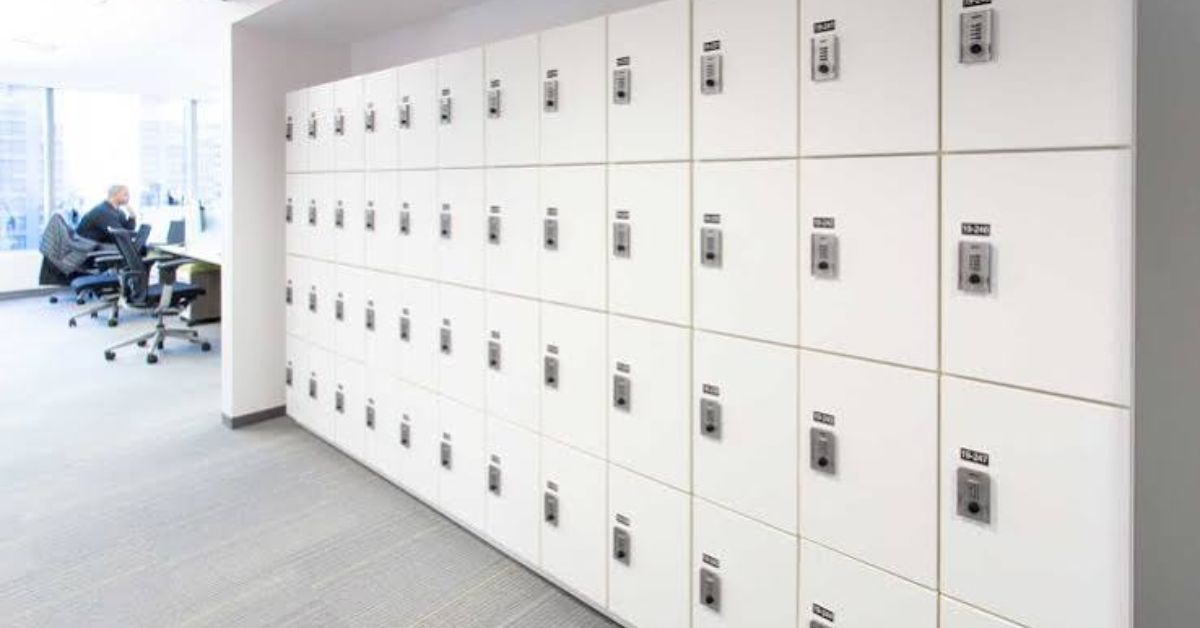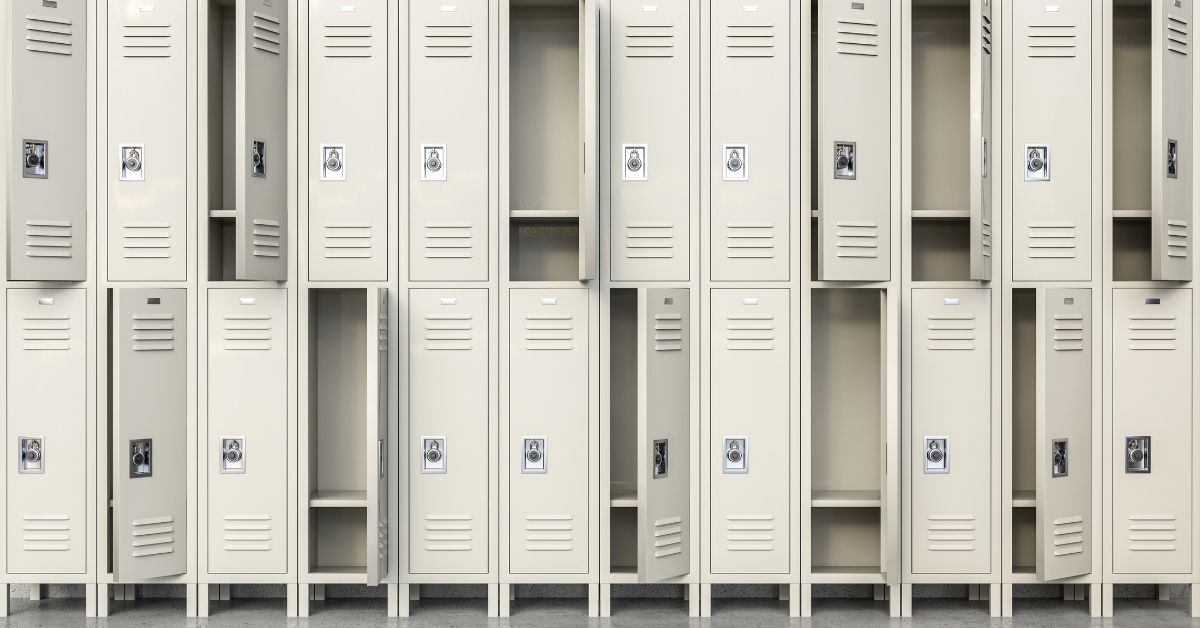


Break rooms are more than just places to eat lunch or take short breaks they are shared spaces that support employee comfort, organization, and productivity. One essential feature that often gets overlooked is break room lockers. Properly installed lockers give employees a secure place to store personal belongings, reduce clutter, and help facilities operate more smoothly.
For facility managers, installing lockers isn’t just about placing units against a wall. It requires thoughtful planning, safety considerations, and long-term usability in mind. This guide covers practical installation tips to help you get the most value from your locker investment.

Employees bring more than just lunch bags to work phones, wallets, backpacks, uniforms, and personal items all need secure storage. Without lockers, break rooms can quickly become cluttered and disorganized.
Well-installed break room lockers help:
Whether you’re installing lockers for the first time or upgrading to a new locker system, correct installation is key to long-term success.
Before choosing lockers, evaluate the break room layout. Measure wall lengths, ceiling height, door swing clearance, and walkways. Lockers should never block exits, fire equipment, or accessibility paths.
Key considerations include:
A well-planned layout ensures lockers enhance the space rather than crowd it.
Not all lockers serve the same purpose. Facility managers should select locker sizes based on how employees will use them.
Common options include:
If upgrading from an older locker setup, compare dimensions carefully to ensure the new locker fits without requiring structural changes.
Break rooms experience frequent use, spills, and temperature changes. Lockers should be made from durable materials that resist wear and corrosion.
Steel lockers are a popular choice due to their strength and long lifespan. Powder-coated finishes add protection and make cleaning easier. Investing in quality materials reduces maintenance costs over time.
Poor ventilation can lead to odors and moisture buildup inside lockers. When installing break room lockers, ensure there is adequate airflow around and behind the units.
Tips include:
Good ventilation supports hygiene and prolongs locker life.
Safety is a critical part of locker installation. Lockers should be anchored properly to prevent tipping, especially tall units.
Best practices include:
Secure installation protects employees and reduces liability risks for facilities.
Lock selection affects both security and convenience. Options range from key locks to combination or electronic locks.
When deciding, consider:
A well-chosen lock system enhances the usability of the locker while minimizing administrative effort.
Break room lockers should be accessible to all employees. This includes appropriate mounting heights and clear floor space in front of lockers.
Accessible design benefits everyone, not just those with mobility needs. Comfortable, easy-to-use lockers encourage employees to actually use them, maximizing the return on investment.
Facility needs change over time. When installing lockers, think beyond current headcount.
Smart planning includes:
Planning ahead avoids costly replacements and disruptions later.
Working with a supplier that understands locker systems makes a significant difference. Experienced providers help facility managers choose the right locker types, configurations, and installation methods.
Companies like Lockers Unlimited offer expertise in workplace locker solutions, ensuring installations meet functional, safety, and durability requirements.
Avoiding these mistakes saves time, money, and frustration in the long run.
Installing break room lockers is a practical upgrade that improves organization, security, and employee satisfaction. For facility managers, success lies in thoughtful planning from layout and materials to safety and future growth.
By selecting the right locker system and installing it correctly, you create a cleaner, more efficient break room that supports both employees and operations for years to come.
Break room lockers provide secure storage for employee belongings, reduce clutter, and improve organization and workplace security.
Space requirements depend on locker size and layout, but adequate clearance for walkways, doors, and accessibility is essential.
Yes, steel lockers are durable, easy to clean, and ideal for high-traffic break room environments.
Yes, modular locker systems allow facility managers to add more lockers as workforce needs grow.