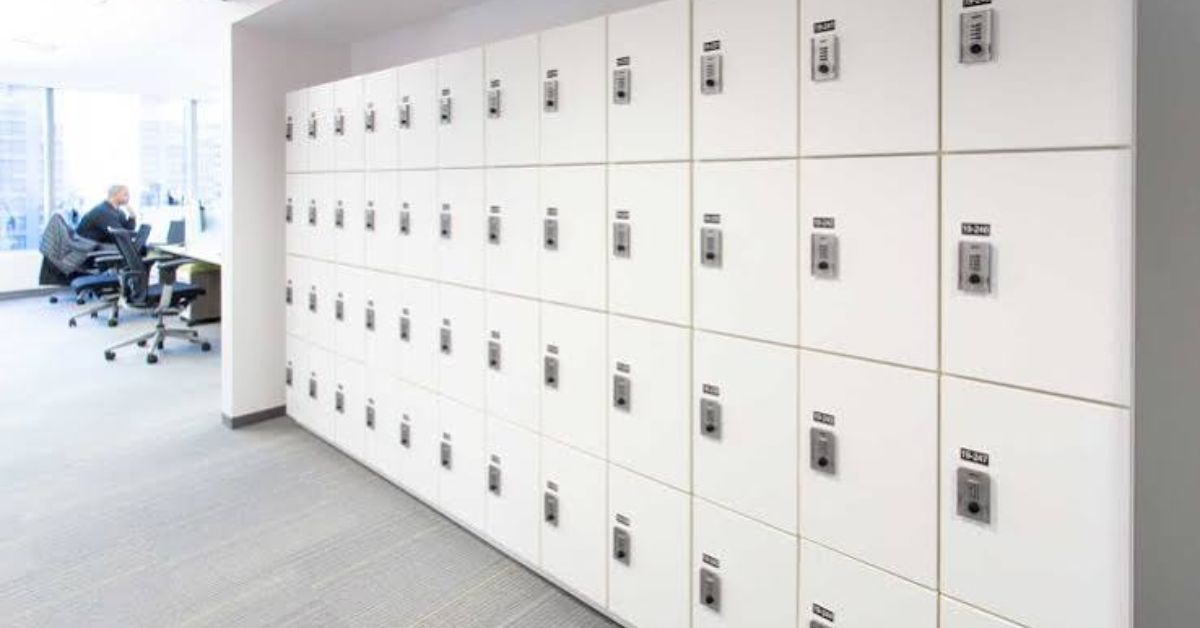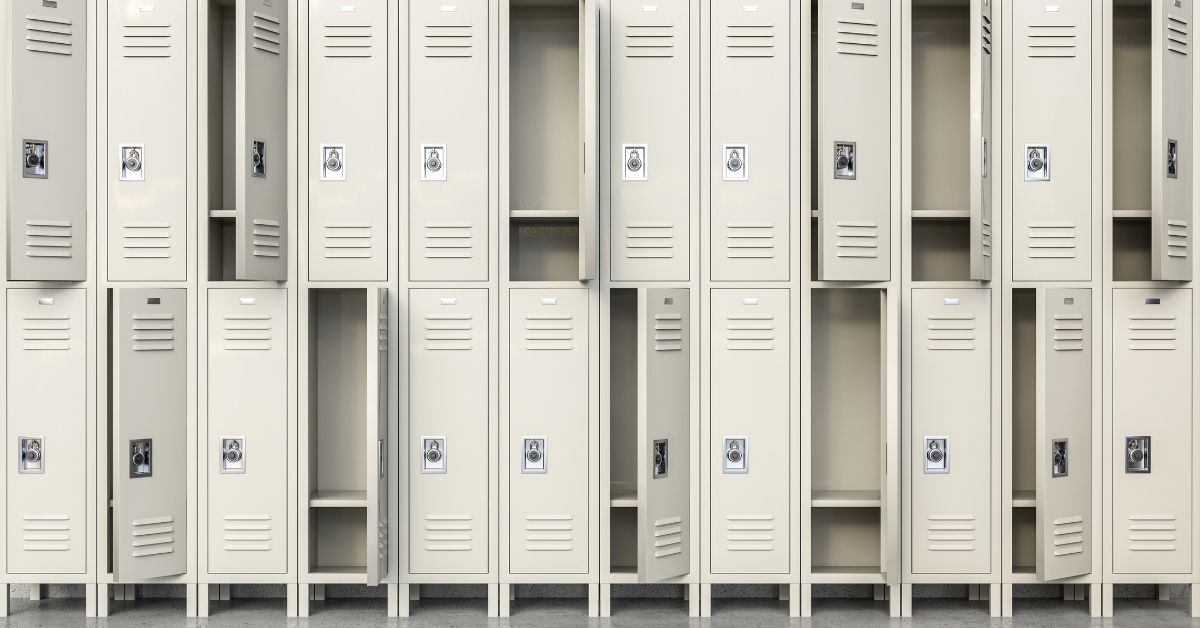

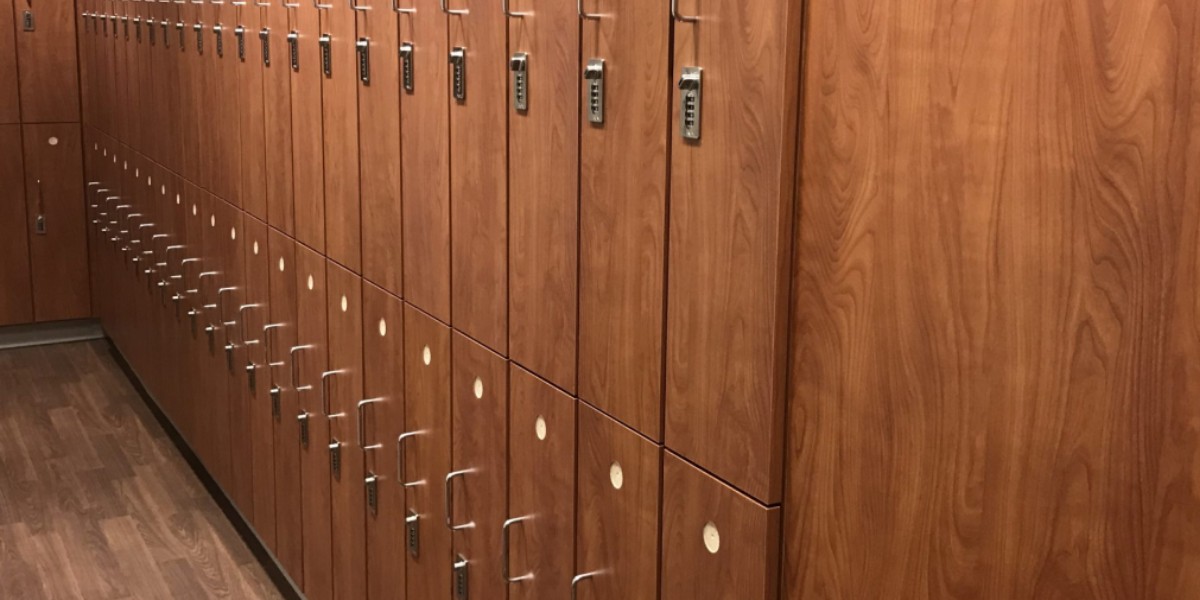
Walk into any modern fitness facility and head straight to the locker room. That’s the room that quietly makes or breaks a gym’s reputation. Steel rusts. Wood swells. Particleboard knock-offs crack the moment a member slams a door too hard. That’s why plastic lockers for gyms have become the default choice for fitness centers, boutique studios, school athletic departments, and high-traffic recreation facilities. They handle sweat, chlorine, humidity, and constant abuse without flinching – and they still look sharp five years in.
The problem is that not every plastic unit is built the same. Some are flimsy big-box imports. Others are engineered to outlive the building they sit in. Below are five options worth knowing about, what makes each one work, and what to look for before you order.
Gyms are brutal on storage. Members shove damp towels into cubbies, splash water onto everything, prop wet shoes against doors, and slam handles open and shut a hundred times an hour. Add chlorinated pool air or steam-room humidity in the mix and most materials start to fail fast.
High-density polyethylene (HDPE) doesn’t care about any of that. It’s waterproof from the inside out – no paint to chip, no laminate to peel, no core to swell. You can hose these units down and walk away. There’s no rust, no warping, no mildew sitting behind a panel. That’s why facility managers comparing materials almost always land on plastic when they look at long-term cost per year. For a deeper breakdown of how gym-specific storage gets engineered, see our guide to gym lockers built for fitness environments.
The workhorse of the category. Solid HDPE lockers are made from a single, dense slab of color-through plastic, meaning a scratch doesn’t reveal a different layer underneath – the color goes all the way through. That matters in a gym, where keys, gym bag zippers, and the occasional dumbbell collision will leave their mark eventually.
These units typically come with a lifetime warranty against rust, dents, and delamination because none of those failure modes apply. Members notice the difference too. The doors feel solid, they shut quietly, and they don’t develop that hollow rattle cheaper units pick up after a year. If your gym sees heavy foot traffic and you want one decision you don’t have to revisit, solid HDPE is the answer.
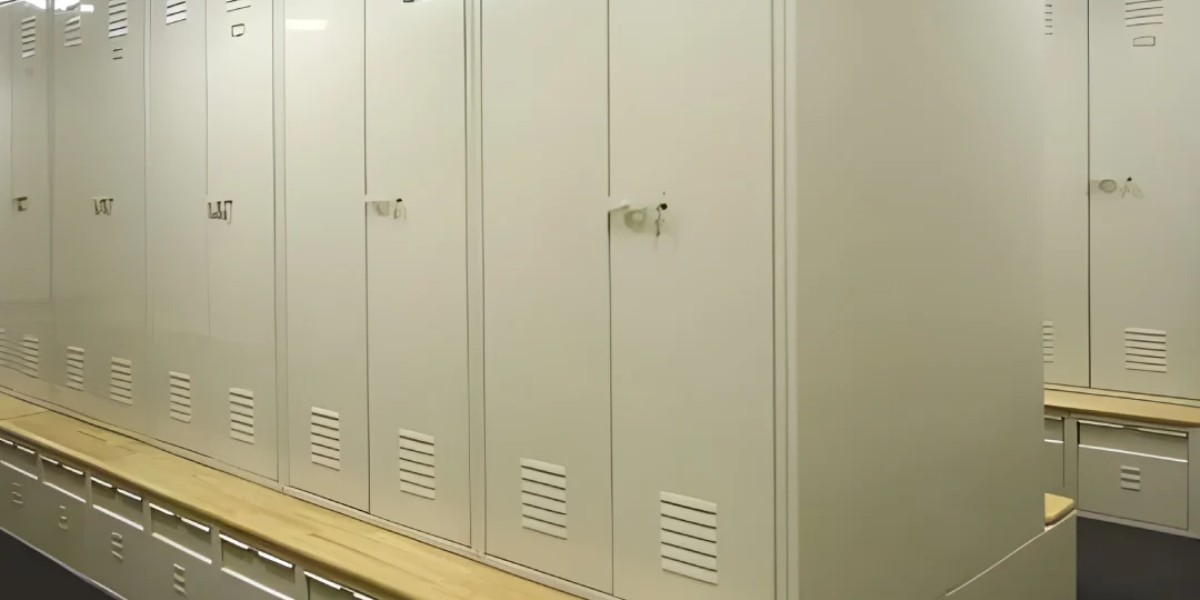
Anyone who has opened a closed locker after a sweaty cycling class knows the smell. That’s exactly what these solve. Perforated doors and side panels let air move through the unit so wet gear can actually dry instead of fermenting in the dark.
Ventilated locker designs have become a near-default in spin studios, CrossFit boxes, and any facility that handles swimwear. The airflow also helps with bacteria and mildew, which keeps your cleaning crew off you and your members’ clothes smelling like clothes instead of a hamper. The trade-off is slightly less privacy, but most operators decide the smell issue alone is worth it. If you’re outfitting a space where members shower on-site, ventilated plastic units should be near the top of your shortlist.
Floor space is expensive. Z-tier and double-tier plastic lockers let you double or triple your locker count in the same footprint without forcing members to bend down to the floor or reach above their heads. The Z-shape lets each unit hang a full set of clothes vertically while sharing the column with another member’s locker – clever geometry that gym designers love.
This is where plastic really pulls ahead of metal. Plastic units this complex stay light enough to install without a crew of four people and don’t develop the warped doors that plagued early multi-tier metal designs. Lockers Unlimited offers these in configurations specifically sized for athletic clubs, where you want hanging space without sacrificing capacity. If you’re tight on square footage but expecting high member counts, Z-tier is usually the answer.
The plastic body of a locker can last 25 years, but the hardware tells a different story. Cheap zinc hinges corrode in humid air. Pot-metal handles loosen. Lock cams strip. That’s why the smart move is choosing units with stainless steel hinges, continuous piano hinges, and either heavy-duty padlock provisions or built-in keyless combination locks.
Keyless digital locks are increasingly popular because members lose keys constantly and replacement keys are a money pit. A good plastic locker should give you the option to mix and match – padlock-ready for day-use members, keypad locks for monthly rentals, RFID for premium clubs. Pair that with a thoughtful locker room layout and you’ve eliminated about 80% of the daily complaints front-desk staff usually have to deal with.
Durability is non-negotiable, but design sells memberships. Boutique studios and premium gyms have figured out that the locker room is part of the brand experience, not a utility closet to be hidden away. Plastic lockers are uniquely good for this – because the color is solid through the material, you can specify almost any hue, mix and match across a wall, or alternate tones for a graphic effect.
A wide color options catalog lets you match your interior designer’s palette without resorting to vinyl wraps that peel inside two years. Some manufacturers will also engrave numbers, logos, or member names directly into the plastic face. The result is a locker bank that looks intentional instead of utilitarian, and it costs surprisingly little extra over standard colors when you order in volume.
A few quick checks before you sign a PO. Confirm the thickness – anything under half an inch on the door panel will flex over time. Ask about the country of origin and whether the material is virgin HDPE or recycled (both are fine, but the spec sheet should tell you upfront). Look for a lifetime warranty on the body and at least a 10-year warranty on hardware. And ask about ADA-compliant configurations if your facility serves the public, because retrofitting compliance later costs roughly three times what it costs to spec it right the first time.
It’s also worth asking about lead times. Standard plastic lockers for gyms typically ship in three to five weeks, but custom colors or non-standard sizes can stretch that to eight or nine. If you’re tying installation to a facility opening or a remodel deadline, build that timeline into your contract from day one. The same goes for installation – some suppliers include white-glove setup, others drop pallets at your loading dock and walk away. Know which one you’re getting.
One more thing facility managers often overlook: think about the bench, mirror, and accessory ecosystem at the same time. Plastic lockers pair beautifully with athletic-grade sports lockers for team rooms, plastic-clad benches, and stainless hooks, all of which can match the warranty and material profile of the main unit. Designing the whole room as a system instead of as a stack of separate purchases pays off in cleaner aesthetics and one phone number to call if anything goes wrong.
Take the locker room seriously and members will too. Get the storage decision wrong, and it becomes the single most-mentioned complaint in your member surveys for the next decade. Get it right with quality plastic lockers for gyms, and you’ve made a 25-year decision that quietly does its job and disappears into the background – which is exactly what good infrastructure is supposed to do.
Quality HDPE units routinely last 20 to 30 years with minimal maintenance. The plastic itself doesn’t rust, rot, or warp under normal conditions, so most failures happen at the hardware level – hinges, locks, and handles – which can be replaced individually without scrapping the unit.
Upfront, yes – usually 15 to 25% more. But factor in zero repainting, zero rust treatment, no panel replacements, and a longer lifespan, and the total cost of ownership over 10 years is almost always lower. Most facility managers consider it the cheaper choice on a per-year basis.
Yes – that’s actually one of their biggest advantages. HDPE is UV-resistant, waterproof, and unaffected by chlorine, so it works for pool decks, outdoor recreation areas, and water park changing rooms where metal would fail within a couple of seasons.
Standard configurations include single-tier (full height), double-tier, triple-tier, box lockers for small valuables, and Z-tier for hanging clothes. Heights typically range from 36 inches up to 72 inches, with widths between 9 and 18 inches. Custom sizing is available for unusual spaces.
Mild soap and warm water handles 95% of cleaning. For tougher messes, you can use a non-abrasive cleaner without worrying about damaging a finish – there isn’t one to damage. Avoid bleach in high concentrations, but standard gym disinfectants and quaternary cleaners are completely safe on HDPE surfaces.
It depends on the manufacturer and the order spec. Most ship lock-ready, meaning the holes and cams are pre-installed but the actual lock is sold separately. This gives you flexibility to choose padlocks, built-in combination locks, or electronic options based on your facility’s needs.