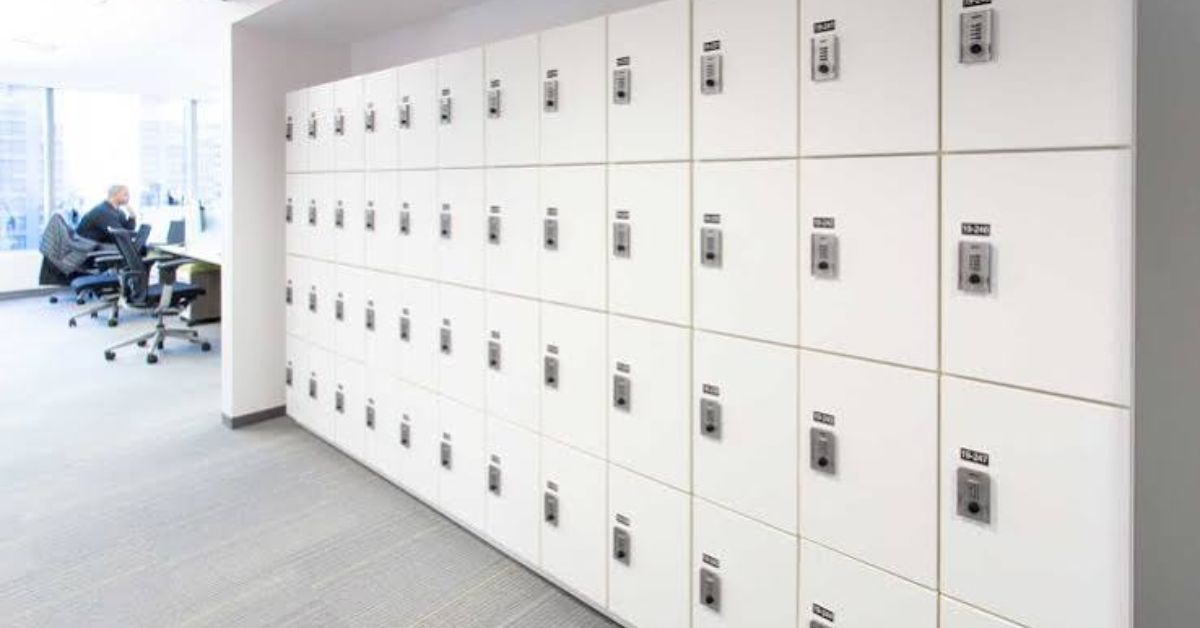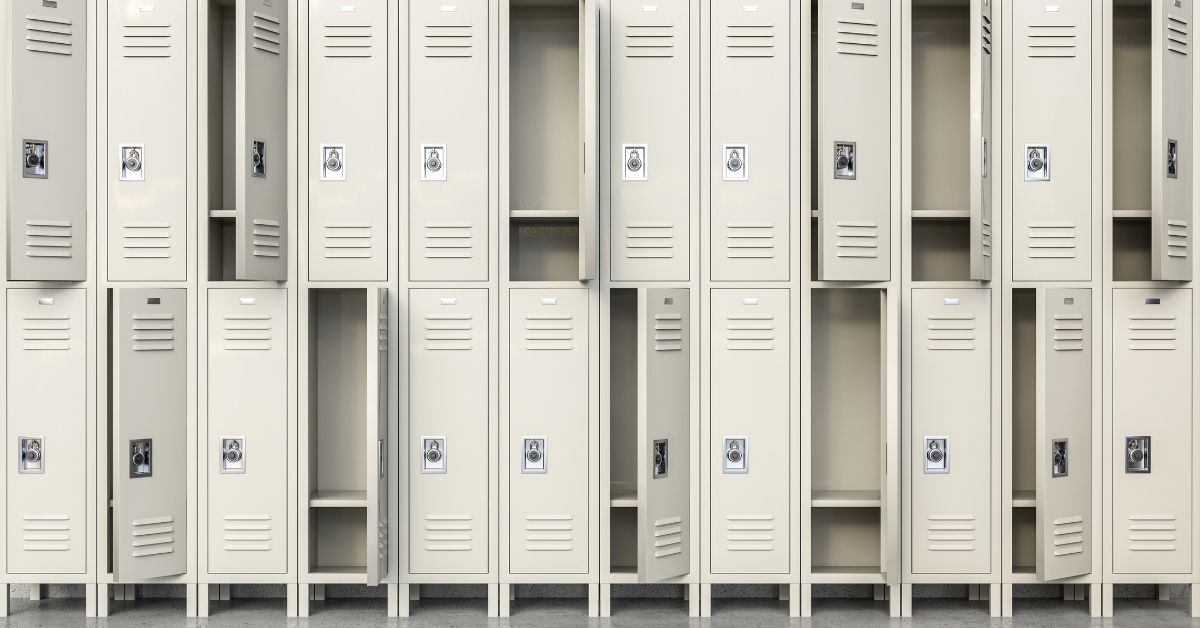

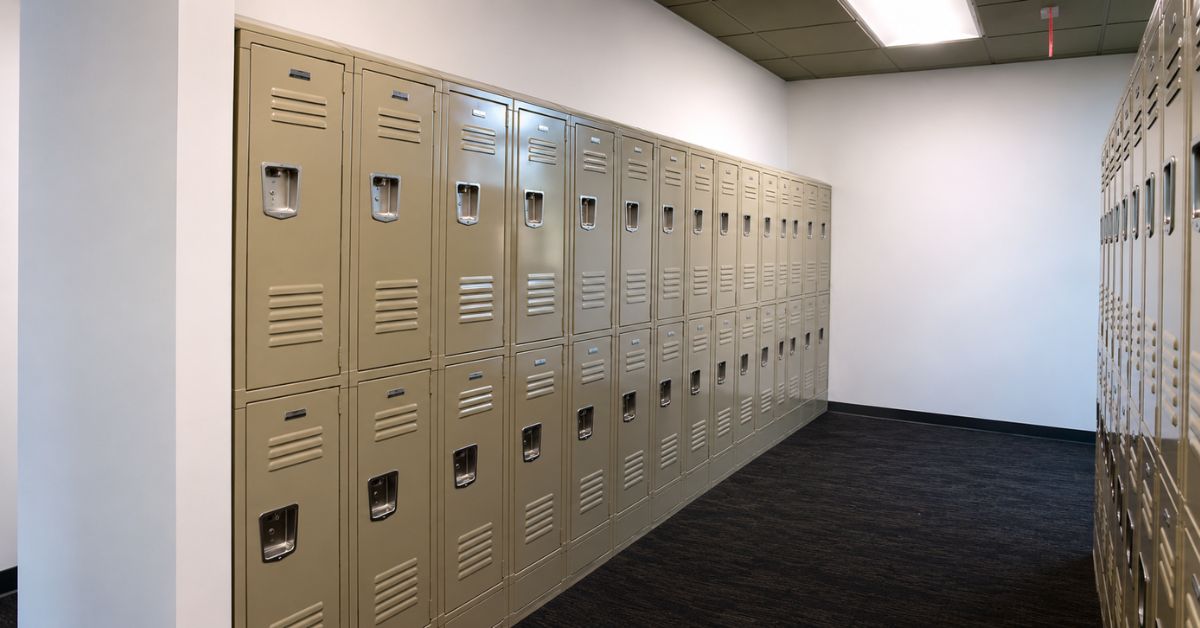
Not every facility needs brand new equipment to look sharp and function well. Plenty of schools, gyms, and offices around Charlotte buy used lockers in Charlotte every year and get years of reliable service out of them, often at a fraction of the cost of new units. With the right supplier and a careful eye during inspection, a used locker can perform just as well as one straight off the factory line. The trick is knowing what separates a genuinely solid used locker from one that will cause problems down the road. This guide covers what to check, where used units work best, and how to get real value on your purchase.
Budget is usually the first reason facilities look at used options. A school district replacing hundreds of student lockers, or a gym outfitting a new locker room, can save a significant amount by choosing quality used inventory over brand new units. That savings often gets redirected toward other priorities, like renovations, equipment, or staffing.
Sustainability plays a role too. Reusing sturdy steel lockers instead of sending them to a landfill keeps usable materials in circulation longer, which appeals to facility managers who are tracking their environmental impact. Many buyers researching used lockers in Charlotte are specifically comparing this option against new units for exactly these reasons, weighing cost savings against how much wear they are willing to accept.
There is also simply more availability. Because commercial lockers are built to last for decades, a healthy supply of well built used units exists at any given time, giving buyers more styles and sizes to choose from than a new only budget might allow.
Speed matters as well. New orders sometimes require weeks of lead time for manufacturing and shipping, while used inventory that is already sitting in a warehouse can often be delivered much faster. For a facility working against a tight deadline, such as a school trying to have lockers ready before the first day of classes, that difference in timing can be just as valuable as the money saved.
Not all used inventory is created equal, so a careful inspection matters before you commit. Start with the doors. Open and close each one if possible, checking that hinges are not bent and that latches catch cleanly without forcing. A door that sticks or does not latch properly is one of the most common complaints with poorly refurbished units.
Look closely at the frame and base for rust, especially around the bottom edges where moisture tends to collect over years of use. Light surface rust can often be treated, but deep corrosion weakens the structure and is a sign to walk away from that particular batch.
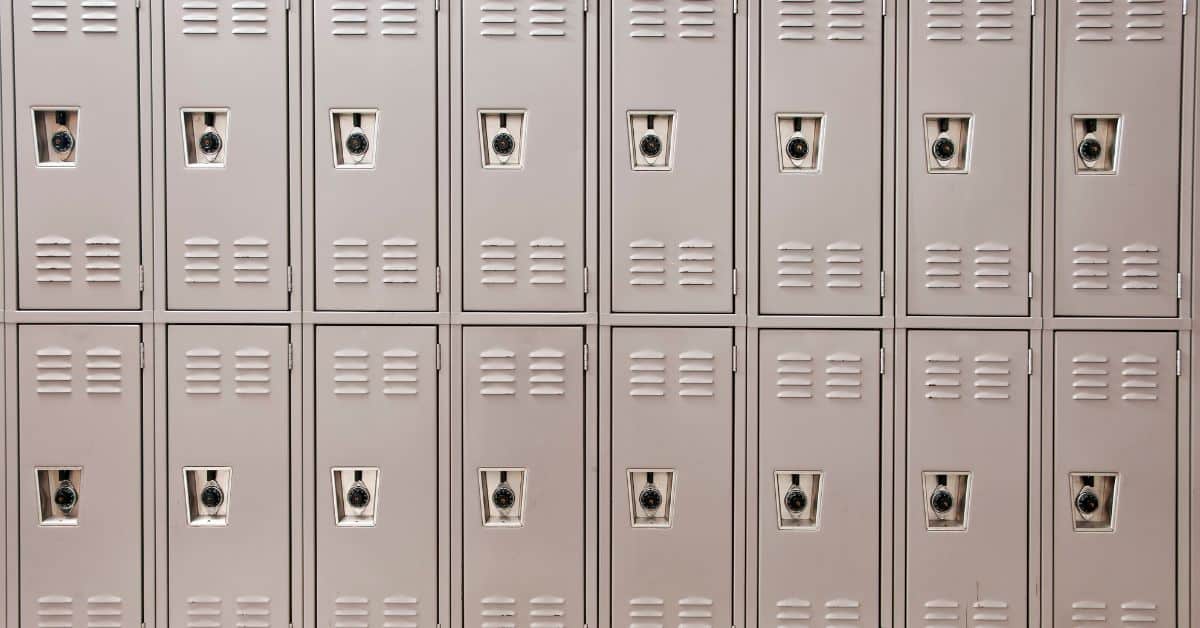
Check the lock mechanisms too. Combination dials should turn smoothly, and key locks should not be sticky or loose in their housing. If the supplier is replacing locks as part of the sale, ask what brand and type they use, since mismatched lock hardware across a large order can create confusion for the people using them daily.
These two terms get used loosely, but they describe different levels of preparation. Straight second hand units are typically cleaned and checked but sold mostly as is, which works well for buyers who are comfortable handling minor cosmetic issues themselves. Refurbished units go further, often getting new paint, replaced hardware, and structural repairs before resale.
Buyers exploring second hand lockers for sale should ask directly which category a listing falls into, since pricing and expectations should match. A true refurbished unit priced the same as an untouched second hand one is either a great deal or a sign that corners were cut somewhere, so it pays to ask specific questions about what work was actually done.
Either option can be a smart choice depending on your budget and how much time your team has to handle any final touch ups after delivery. If your facility has staff or maintenance crews who can handle small fixes, straight second hand units might offer the better overall value. If you would rather have everything ready to use the moment it arrives, refurbished stock is usually worth the extra cost.
Used lockers tend to shine in facilities where heavy daily use is expected regardless of age, like gym locker rooms, warehouse break areas, and school hallways. In these settings, a few cosmetic scuffs matter far less than solid function, and the savings can be reinvested into other parts of the facility.
They also make sense for temporary or transitional spaces, such as a business relocating to a new building or a school adding portable classrooms during a renovation. Paying full price for new lockers in a space that might change again within a few years rarely makes financial sense.
Working with an experienced supplier like Lockers Unlimited helps here, since a team that regularly inspects and preps used inventory can steer you toward batches that genuinely match your setting instead of selling whatever happens to be sitting in the warehouse.
Timing and quantity both affect price more than people expect. Suppliers often move used inventory in bulk lots, so buying enough units for an entire room or hallway at once, rather than a handful at a time, usually brings a better per unit rate.
Before finalizing an order, ask to see the actual units or clear photos rather than relying on a generic listing description, especially for larger purchases where consistency across dozens of lockers really matters. A trustworthy used locker inventory will let you review real stock so you know precisely what condition you are paying for.
It also helps to confirm delivery and any minor touch-up work in writing before payment, so there is no confusion later about what was included in the price you agreed to.
Do not be afraid to negotiate either. Used inventory pricing often has more flexibility than new equipment, particularly for larger orders or units that have been sitting in stock for a while. Suppliers would rather move that inventory at a fair price than let it take up warehouse space indefinitely, so a reasonable counteroffer is frequently welcomed.
Buying used does not mean settling for less. With a careful inspection process and a supplier who stands behind their inventory, you can furnish a facility with sturdy, functional lockers while keeping a meaningful amount of budget free for everything else on your list. Take the time to ask questions, compare a few options, and choose based on real condition rather than price alone.