
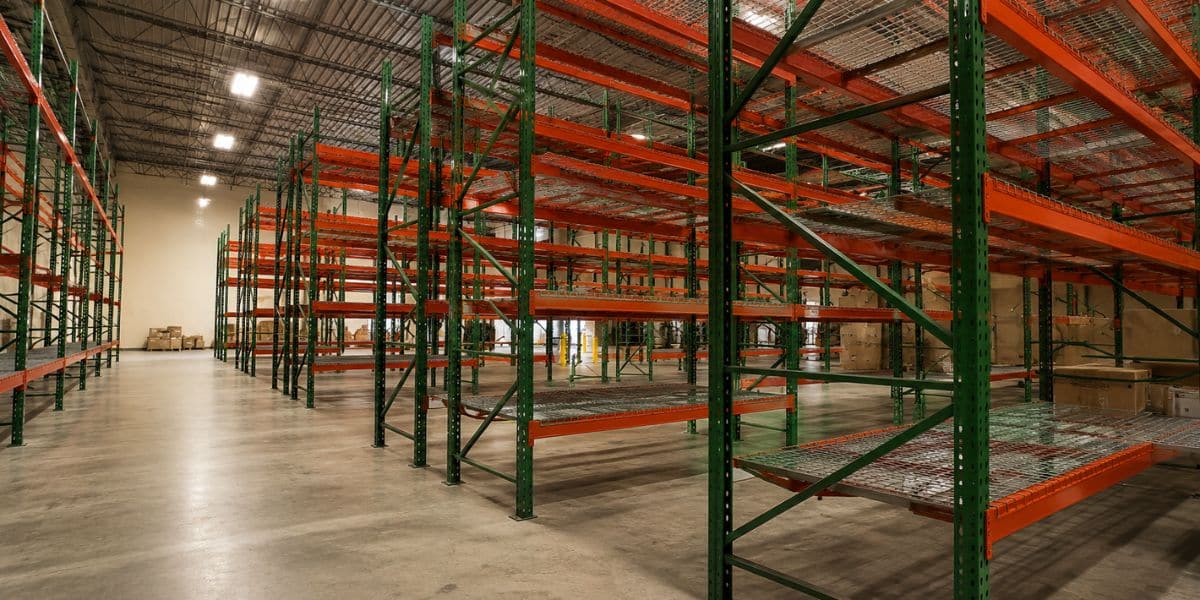
If your Charlotte warehouse feels smaller every quarter, the building is probably not the problem. The racking is. Warehouse racking Charlotte NC operations choose today needs to hold more inventory in less floor space while keeping forklift drivers and pickers safe every shift. Whether you run a distribution hub near Interstate 77, a manufacturing floor close to the airport, or a growing fulfillment operation in a converted building downtown, the shelving and pallet setup you choose changes how fast your team moves product.
Charlotte has grown into one of the busiest freight and distribution markets on the East Coast, and warehouses that once had room to spare are now being asked to hold more inventory without expanding their footprint. This guide walks through the racking types worth comparing, how to plan a layout that holds up under daily use, what it costs to get it right, and what local businesses should confirm before signing off on a new system.
Charlotte has become one of the busiest logistics corridors in the Southeast, and warehouse rent per square foot keeps climbing along with it. That makes going vertical the smarter move for most operations rather than leasing more floor space. A well-planned racking system can often double or triple usable storage inside the same four walls, simply by using the height of the building instead of spreading pallets across the floor.
Safety matters just as much as capacity. Makeshift shelving or overloaded pallet racks are a leading cause of warehouse injuries and product damage. Properly engineered industrial warehouse shelving is rated for specific loads, anchored correctly, and inspected on a schedule, which protects both your team and your inventory.
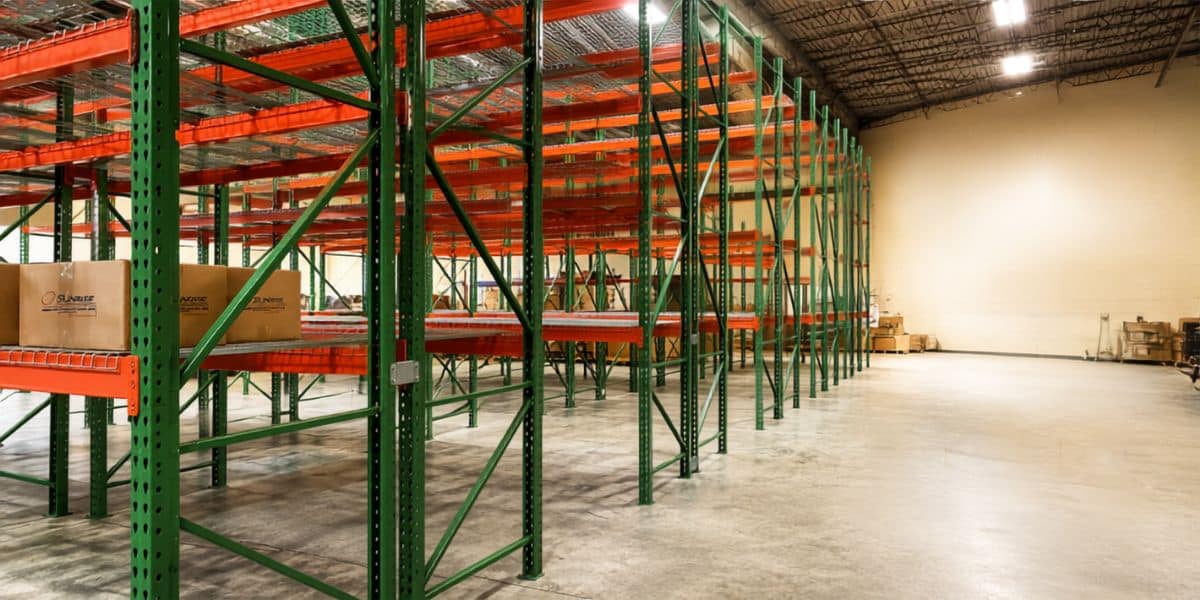
It is also worth remembering that insurance carriers and local inspectors both pay close attention to how racking is installed and maintained. A properly documented system with posted load ratings tends to move through inspections faster and can even affect premium costs for facilities storing significant inventory value.
Not every racking style fits every operation. Selective racking is the most common choice because it gives direct access to every pallet position, which works well when you carry a wide range of SKUs. Drive-in racking sacrifices some accessibility for much higher density, making it a good fit for seasonal goods or bulk product with fewer SKUs.
Push back racking allows several pallets to be loaded from one aisle on a first-in, last-out basis, which suits businesses moving large batches of the same item. Cantilever racking is built for long or awkward loads such as pipe, lumber, or metal stock that will not sit on a standard beam. Choosing the right pallet racking system usually comes down to how many SKUs you carry and how quickly product turns over.
Mezzanine style racking is worth mentioning as well, since it adds an entire second level of usable space above ground floor racking without requiring an addition to the building itself. For warehouses with tall ceilings and limited ground floor square footage, this option often unlocks more storage than any single racking style could deliver on its own.
Aisle width decides how tight your forklifts can turn and how much product fits in the same footprint. Narrow aisle racking increases density but requires specialized equipment, while wide aisle layouts work with standard forklifts and are usually the more affordable starting point.
Sprinkler clearance, load capacity signage, and clear labeling all need to be part of the plan, not an afterthought once the racking is installed. The installation crew at Lockers Unlimited walks every site before a single upright goes into the ground, checking floor levels and column spacing so the finished system sits level and rated correctly from day one.
New racking comes with full manufacturer warranties and exact load ratings straight from the spec sheet, which is valuable for businesses storing heavy or regulated goods. Refurbished racking, when properly inspected, can offer similar performance at a lower price point, especially for growing businesses that need to expand quickly without a large upfront cost.
Whichever route you choose, make sure the system meets current warehouse compliance and safety standards for your industry. Skipping this step to save time upfront usually costs more later in downtime, damaged inventory, or failed inspections.
Lead time is another factor that often tips the decision. New racking ordered to exact specifications can take weeks to arrive depending on manufacturer backlog, while refurbished inventory that already meets your load requirements can sometimes be delivered and installed within days, which matters for businesses that cannot afford extended downtime.
Price varies widely based on racking type, height, and total square footage covered, so a rough number from a competitor quote rarely translates directly to your facility. Selective racking usually runs the lowest cost per pallet position, while drive-in and push-back systems carry a higher price tag upfront in exchange for significantly more density.
Beyond the racking itself, factor in installation labor, any floor leveling work, and permit requirements depending on the height and load of the finished system. A written quote based on an actual site walkthrough is always more reliable than a per-pallet estimate pulled from a general price list.
A local installer understands Charlotte building codes, typical warehouse floor conditions, and how quickly a facility needs to be back up and running. That local knowledge shortens installation time and avoids surprises that out-of-town crews sometimes miss, from unexpected floor slope to older sprinkler layouts that were never designed with tall racking in mind.
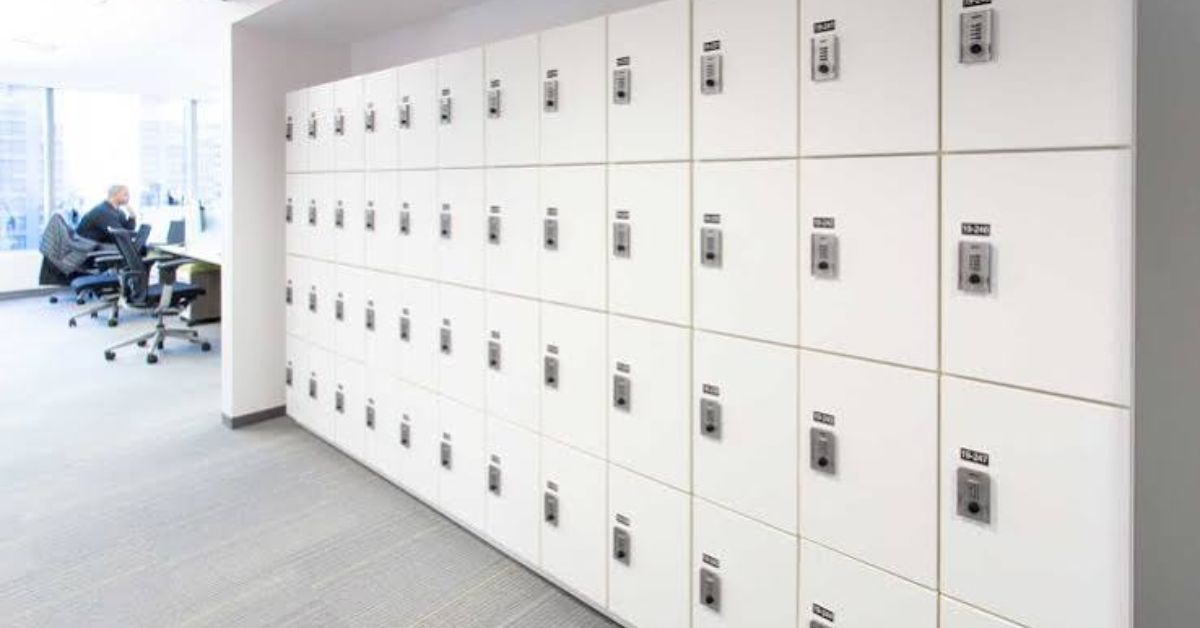
If your facility stores a mix of small parts and oversized items, pairing your racking with bulk storage lockers keeps loose inventory organized instead of scattered across open shelving. And if you are still weighing your options, a supplier that offers custom pallet rack systems built around your actual floor plan will always outperform a generic layout pulled from a catalog, since every warehouse has its own mix of ceiling height, column spacing, and traffic flow to account for.
Warehouse racking is not something you want to retrofit twice. Take the time to measure your space, count your SKUs, and talk through load requirements before you order anything. A system built around how your Charlotte facility actually operates, rather than a generic layout, will pay for itself in the space, safety, and speed it gives back to your team over the years ahead.