

Installing lockers sounds straightforward -pick a style, find a wall, bolt them down. But anyone who’s managed a facility installation knows it rarely goes that smoothly. Locker installation mistakes happen more often than you’d think, and most of them are completely avoidable with a little planning upfront. Whether you’re outfitting a school gym, a corporate break room, or a health club locker room, the decisions you make before a single unit goes up will determine how functional -and how frustrating -your space becomes for years to come.
Here’s a look at the most common mistakes and, more importantly, how to sidestep every one of them.
This is the big one. A lot of facility managers pick out lockers they like, order them, and then figure out the layout after delivery. That’s working backwards, and it almost always creates problems.
Before you commit to any purchase, you need a clear floor plan. How many lockers do you actually need? What’s the traffic flow going to look like when people are opening and closing doors? Is there enough clearance for ADA compliance? These aren’t questions you want to answer after the fact.
A proper layout plan factors in the room dimensions, door swing space (typically 18–24 inches minimum in front of each locker), bench placement, and how rows will be arranged. If you’re working with an irregular room shape -angled walls, columns, or recessed areas -that adds another layer of complexity. Rushing past this step is how you end up with lockers that block emergency exits or leave awkward dead zones in the room.
Getting a free locker layout design before you order is one of the smartest things you can do. It costs nothing and can save you from expensive surprises on installation day.
Not all lockers are built for the same conditions. One of the most common locker installation tips professionals share is to match the material to the environment -and it’s advice that gets ignored more than it should.
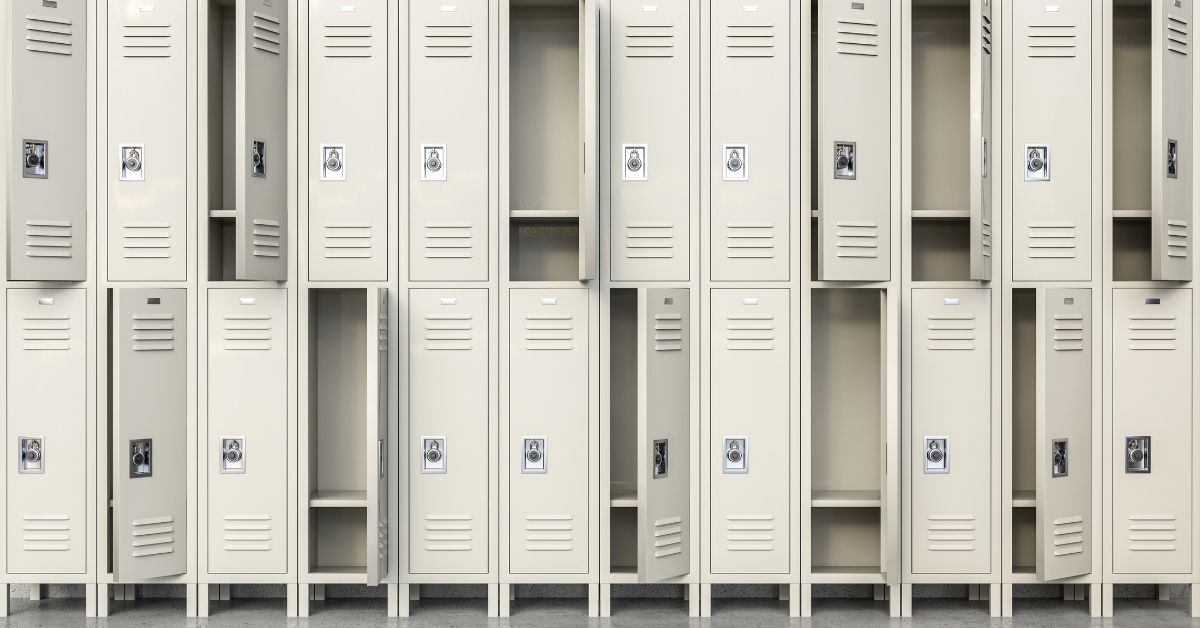
Metal lockers are durable and cost-effective, making them a solid choice for schools, offices, and dry storage areas. But put steel lockers in a pool facility, a natatorium, or an outdoor area, and you’re setting yourself up for rust, corrosion, and premature failure. High-moisture environments demand plastic or phenolic lockers, which resist water, mold, and harsh cleaning chemicals without deteriorating.
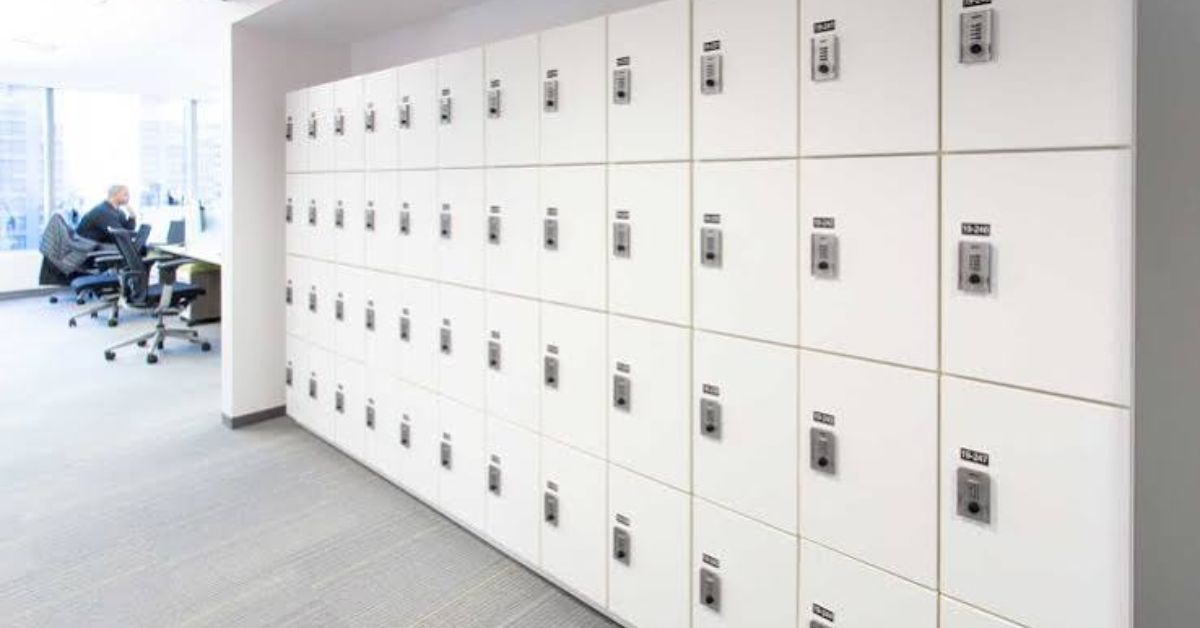
Similarly, a high-end spa or corporate office probably shouldn’t have the same industrial metal lockers you’d find in a warehouse break room. Laminate and executive-style lockers bring a cleaner aesthetic that fits premium environments without sacrificing function.
If you’re not sure which material makes sense for your specific space, take a look at the new locker options available across different materials and finishes before you decide. The right choice upfront will save you from replacing units far sooner than expected.
Even experienced facility teams underestimate how important proper anchoring is. Lockers that aren’t anchored correctly to the wall or floor are a safety hazard -full stop. A top-heavy unit that tips forward when a door swings open can cause serious injury, especially in schools or gyms where kids are involved.
Beyond safety, improperly anchored lockers shift over time. Gaps appear between units. Doors stop aligning. Locks become difficult to operate. What starts as a minor annoyance becomes a maintenance headache that compounds over the years.
Leveling is just as critical. Floors are rarely perfectly flat, especially in older buildings. If you skip shimming and leveling during installation, you’ll end up with locker banks that look uneven and doors that don’t close flush. This isn’t just an aesthetic issue -misaligned doors put stress on hinges and latches, wearing them out faster.
The fix is simple: take the time to level each bank properly and use the correct anchoring hardware for your wall type. Concrete, drywall, and masonry each require different fasteners. If you’re not confident in the process, this is exactly the kind of work that benefits from a professional installation team with the tools and experience to get it right.
Lockers take a beating. Over time, locks wear out, hinges get loose, handles break, and ventilation louvers get bent. How easy it is to service and repair your lockers should factor into your purchasing decision -but most buyers focus entirely on upfront cost and appearance.
Think about replacement parts. Are they readily available for the brand you’re buying? Are the locks standardized, so a locksmith can service them without specialty tools? If you’re buying used lockers, are they in good enough condition that minor repairs won’t snowball into a full replacement in two or three years?
This is where buying from a reputable supplier matters. Lockers Unlimited carries parts for locker repairs alongside their inventory, which means you’re not scrambling to source components from a manufacturer that’s discontinued a product line. Checking the used locker inventory is also worth considering if budget is a constraint -refurbished units from a trusted source can deliver excellent value, as long as they’ve been properly inspected.
Building a small maintenance budget into your locker program from day one will extend the life of your units significantly and keep your space looking sharp without constant overhauls.
ADA compliance often gets treated as an afterthought, which is a costly mistake both legally and practically. Federal guidelines require that a certain percentage of lockers in public facilities be accessible to individuals with disabilities. That means specific height requirements for locks and handles, appropriate clearance space in front of units, and in some cases, accessible benching nearby.
A common locker installation mistake is placing all ADA-compliant units in a single bank tucked in a corner, technically meeting the letter of the regulation but failing the spirit of it. Accessible lockers should be distributed throughout the facility in the same locations as standard units -not segregated.
If your facility serves the public or falls under ADA jurisdiction, have your layout reviewed before installation. Products like an ADA locker room bench with back support are part of building a space that’s genuinely functional for everyone, not just checking a compliance box. Getting this wrong doesn’t just create legal exposure -it tells users something about how much you value their experience in your facility.
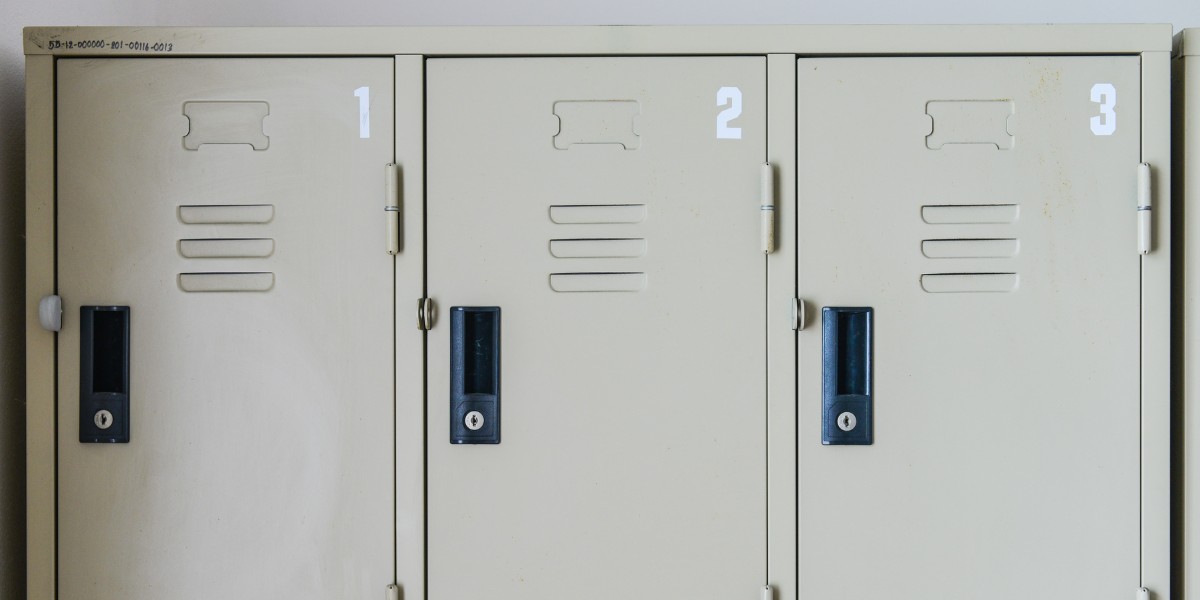
Ordering the wrong quantity is more common than you’d expect, and it goes both ways. Underordering means you’re scrambling for additional units that may not match your existing color or style -a problem that compounds if the original product has been updated or discontinued. Overordering means wasted budget and storage headaches for units you don’t have room for.
The solution is a thorough needs assessment before you place any order. How many users will the space serve at peak times? Do you need individual assigned lockers, or are you setting up a day-use rotation? Will the number of users grow in the next few years? Factoring in a modest buffer for growth is smart, but it should be a calculated number, not a guess.
Getting a proper count also means thinking about your locker configuration -single tier, double tier, triple tier. A double-tier setup fits twice as many users in the same footprint as single-tier but cuts storage depth in half. The right configuration depends entirely on what your users actually need to store.
If you’re unsure where to start, reaching out for a free quote and talking through your requirements with someone who’s done this for decades is the most efficient way to land on the right number.
Getting locker installation right is mostly about doing the prep work. The mistakes above aren’t hard to avoid -they just require asking the right questions before the order is placed and the installation crew shows up. Take the layout seriously, match the material to the environment, plan for maintenance, and don’t skip the compliance review. Do those things, and your locker setup will serve your facility reliably for a long time.
A minimum of 18 to 24 inches of clearance in front of locker doors is generally recommended to allow for comfortable access and safe traffic flow. ADA guidelines may require more depending on the facility type and the specific locker configuration. Always check local building codes in addition to federal guidelines, as regional requirements can vary.
Plastic and phenolic lockers are the best choices for high-moisture environments like pool decks, natatoriums, and outdoor areas. They resist rust, mold, and harsh cleaning chemicals that would quickly deteriorate metal units. Stainless steel hardware should also be specified for any fixtures used in wet areas.
Yes, anchoring is required for safety and stability. Unanchored lockers can tip forward when doors are opened, posing a serious injury risk -particularly in schools and gyms. The type of anchor hardware needed depends on your wall construction, whether that’s drywall, masonry, or concrete.
You can, but it requires careful planning. Color matching between new and used units is difficult unless you’re refinishing the used lockers or deliberately choosing a mixed aesthetic. Structural compatibility is also a consideration if units need to be bolted together in a shared bank.
The timeline depends on the quantity of units, room complexity, and whether any site prep is needed. A small installation of 20–30 lockers in a straightforward space might take a single day. Larger installations across multiple rooms or floors can take several days. Getting a detailed scope and timeline from your installer before work begins helps set realistic expectations.
Misaligned doors are usually caused by improper leveling during installation or shifting over time. Check whether the locker bank has moved off-level and re-shim if necessary. Hinge screws can also loosen with heavy use -tightening them often resolves minor alignment issues. If the problem persists or affects multiple units, have a repair technician assess the anchoring and frame integrity.