

When it comes to secure, organized storage, lockers have become a staple in both commercial and residential settings. Whether you’re managing a fitness center or looking to upgrade your home organization game, the debate between gym lockers and home lockers is more relevant than ever. With the growing demand for personal storage solutions, understanding the differences and knowing which option best suits your lifestyle can save you time, money, and frustration. In this guide, we’ll break down everything you need to know to make the right choice.
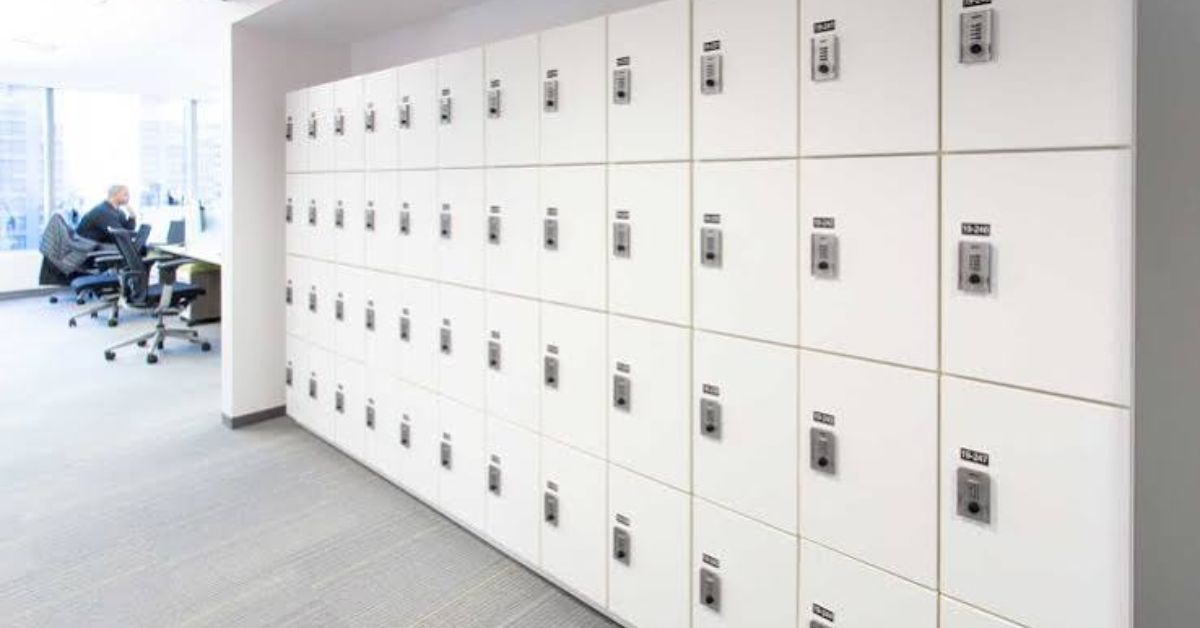
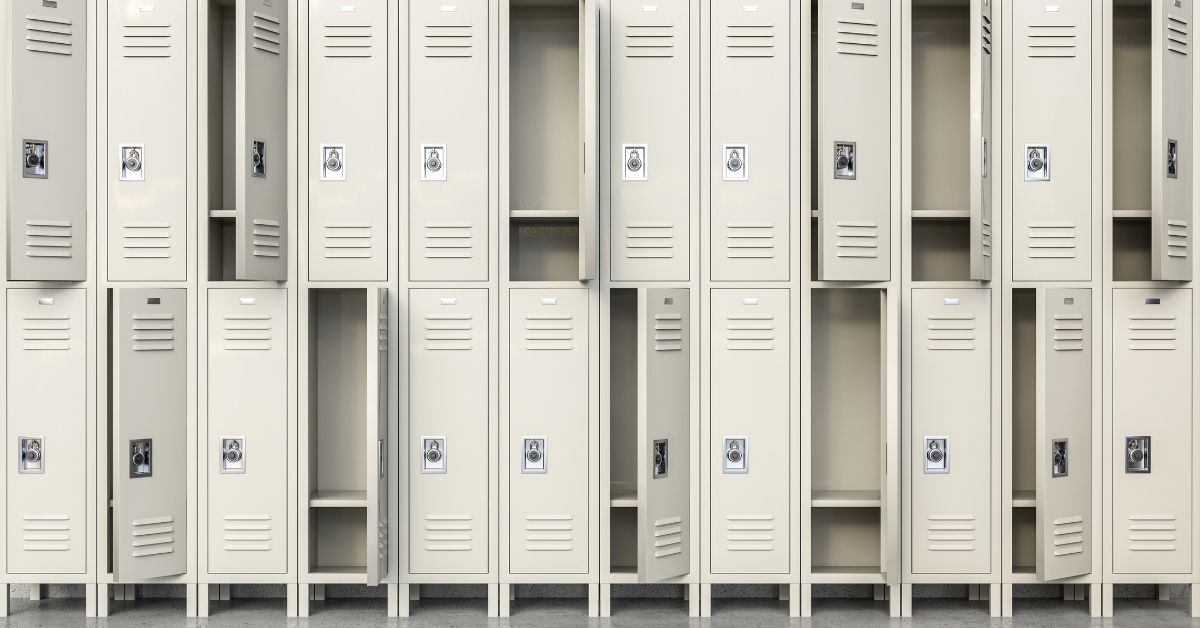
Gym lockers are storage units typically found in fitness centers, sports facilities, schools, and workplaces. Designed for shared, high-traffic environments, they are built to withstand heavy daily use. Most gym lockers are made from industrial-grade steel or durable laminate, with ventilation slots to prevent odors and moisture buildup. They come in a variety of configurations single-tier, double-tier, and even four-tier to maximize space in communal changing rooms and corridors.
These lockers are typically secured with combination locks, key locks, or increasingly, digital keypads. Their primary purpose is short-term storage: a place to stash your gym bag, valuables, and clothing while you work out. Durability and security are the two pillars of good gym locker design, and commercial-grade options are engineered specifically with those goals in mind.
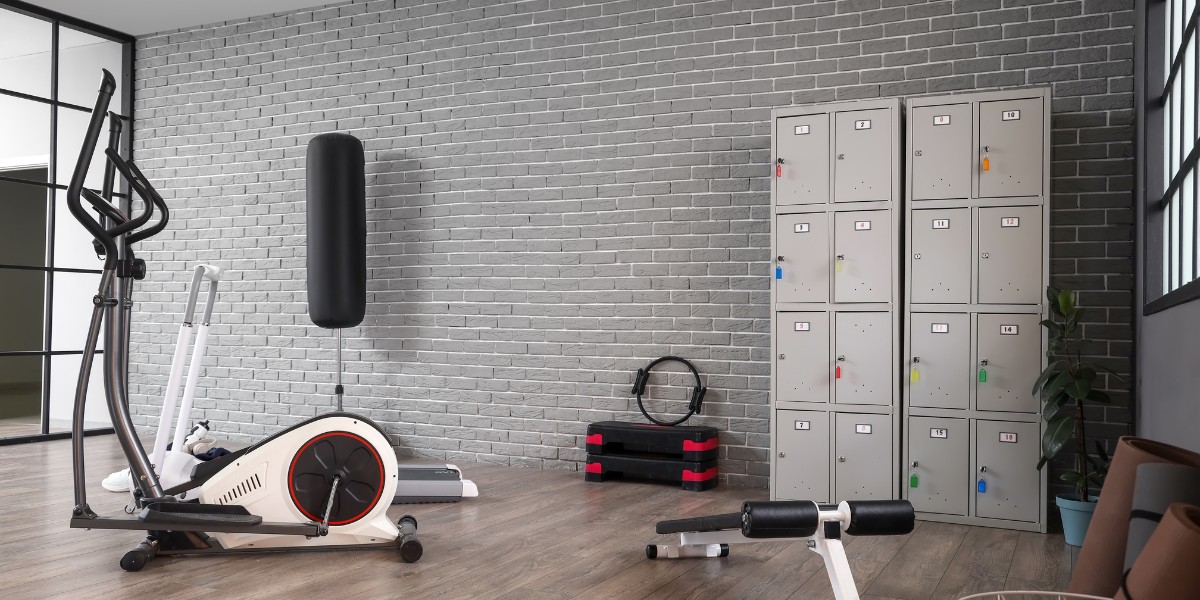
Home lockers are a different beast altogether. Designed for personal, long-term residential use, home lockers prioritize aesthetics, versatility, and customizable storage capacity. A quality home locker can serve multiple purposes: securing valuable documents and jewelry, organizing sports equipment, storing tools in a garage, or providing kids with their own dedicated space in a mudroom or bedroom.
Unlike their gym counterparts, home lockers come in a wider range of materials steel, wood, powder-coated metal and finishes to complement home interiors. They’re available in single-door units, multi-compartment configurations, and even customizable modular systems. The focus is on blending functionality with the look and feel of a living space, rather than pure industrial utility.
Gym lockers are engineered for abuse. Think hundreds of people slamming doors, stacking heavy bags, and using them daily. Commercial-grade steel construction, reinforced hinges, and anti-corrosion coatings are standard. Home lockers, while still durable, are generally built to lighter specifications since they face far less wear and tear. For purely residential use, this is perfectly adequate there’s no need to pay for industrial-level durability when your household of four is the primary user.
Both types offer solid security, but the approach differs. Gym lockers lean on simplicity and speed padlocks, combination locks, or RFID keycard access for fast turnover in busy facilities. Home lockers can offer more sophisticated, personalized security options: biometric locks, digital keypads with personal codes, or heavy-duty deadbolts for long-term storage of high-value items. If you’re storing sensitive documents, firearms, or expensive electronics at home, a purpose-built home locker with advanced locking mechanisms is the superior choice.
This is where home lockers clearly win. Nobody wants their living room or mudroom to look like a locker room. Home lockers are available in stylish finishes matte black, white, wood grain, and custom colors that integrate naturally with modern home décor. Gym lockers, while functional, are utilitarian by design. If visual appeal matters to you, home lockers are the obvious winner.
Gym lockers tend to follow standard sizing, optimized for fitting changing rooms and maximizing the number of units in a given space. Home lockers offer much greater flexibility. You can find narrow, tall single-door units perfect for a hallway, wide multi-shelf units for a garage workshop, or compact cubby lockers for a kids’ room. For homeowners, this versatility is a major advantage.
Gym lockers, especially commercial-grade units, are generally more expensive upfront due to their heavy-duty construction. Purchasing them in bulk for a facility can also be a significant investment. Home lockers vary widely in price you can find budget-friendly options for basic storage needs or invest in premium units for long-term security and style. For individuals or families, home lockers typically offer better value per unit.
Gym lockers are the right call when:
Home lockers are the better choice when:
If you’ve decided that a home locker is the right fit for your space, the next step is choosing the right unit. Consider the size of your space first measure the area where the locker will go before you start browsing. Think about what you’ll be storing: bulky sports gear calls for a tall, wide unit, while a small bedroom locker for a child might be a compact single-door design. Consider your security needs too are you simply keeping things tidy, or do you need to secure valuables?
For a wide selection of high-quality home lockers in a range of styles, sizes, and configurations, Lockers Unlimited offers an excellent range designed for both residential and commercial applications. Browse their catalog to find the perfect fit for your home.
Choosing between gym lockers and home lockers ultimately comes down to your specific needs and environment. For commercial or institutional settings, gym lockers are unbeatable in durability and volume. But for homeowners seeking a stylish, secure, and versatile storage solution, home lockers are the clear winner. They offer the right balance of security, aesthetics, and customization to serve your household for years to come.
Whether you’re organizing a garage, a mudroom, a home office, or a kids’ bedroom, there’s a home locker designed for exactly that purpose. Take the time to assess your space, your storage needs, and your budget and you’ll find the perfect solution that keeps your home tidy, secure, and looking great.
Gym lockers are designed for shared, high-traffic commercial environments and prioritize durability and ventilation. Home lockers are built for personal residential use, focusing on aesthetics, security, and customizable storage options that fit into living spaces.
Technically yes, but it’s generally not recommended. Gym lockers are bulkier, more utilitarian in appearance, and designed for institutional use. A home locker will be better sized, better looking, and more appropriate for a residential setting.
Yes. Many home lockers are available with heavy-duty locking mechanisms, including digital keypads and biometric locks, making them well-suited for storing documents, jewelry, electronics, and other high-value items. Always check the lock type and material quality before purchasing.
Home lockers are commonly made from powder-coated steel, stainless steel, engineered wood, or a combination of materials. Steel options offer the best security and durability, while wood-finish lockers blend more seamlessly with interior décor.
Start by measuring your available space and considering what you plan to store. Tall, single-door units work well for hanging items like coats and bags, while multi-tier or cubby-style lockers are ideal for organizing smaller items across multiple users, such as in a family mudroom.
Most home lockers come flat-packed and can be assembled with basic tools in under an hour. Some heavier steel units may benefit from wall-anchoring for added stability, especially in homes with children. Always follow the manufacturer’s installation guidelines.
Home locker prices vary widely based on size, material, and features. Basic single-door units can start at around $50–$100, while larger, premium steel lockers with advanced security features can range from $200 to $600 or more. Investing in a higher-quality unit often pays off in terms of longevity and security.