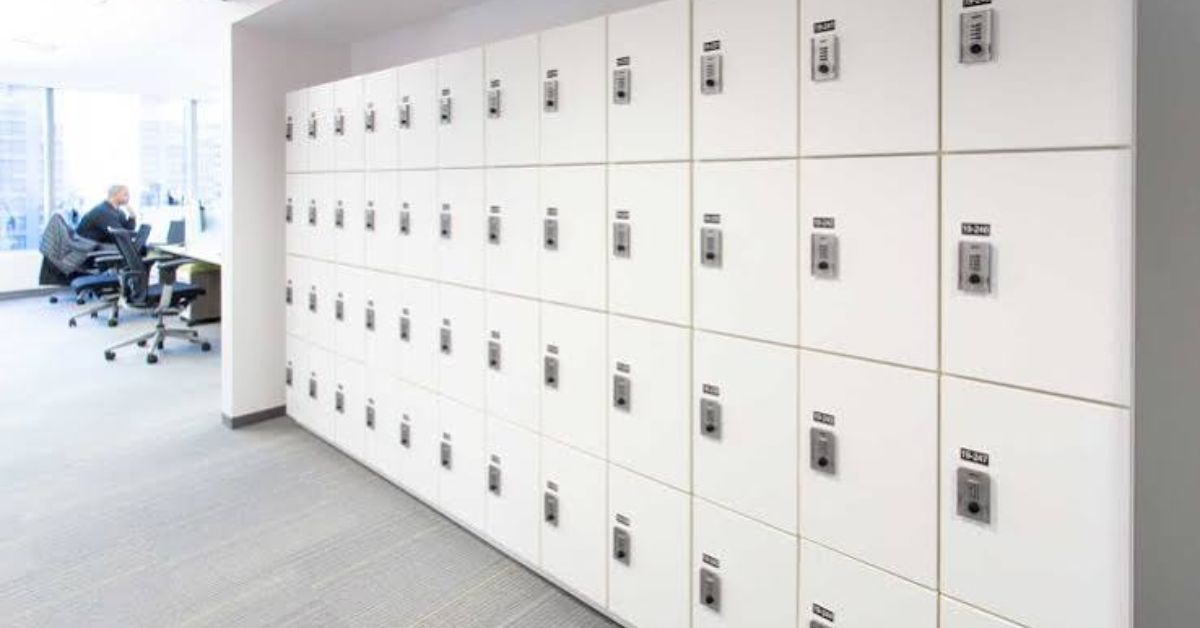


Most gym members never think twice about the locker they use every visit, but a surprising amount of engineering and planning goes into making that experience feel effortless. Understanding how gym lockers work reveals why some facilities run smoothly while others deal with constant complaints about jammed doors, lost combinations, or confusing assignment systems.
Locker rooms are one of the highest-traffic, highest-wear areas in any fitness facility, which means the mechanisms behind those doors need to hold up to hundreds of open and close cycles every single day. Looking at what happens behind the scenes helps explain why certain gym locker systems succeed while others become a constant source of frustration for members and staff alike.
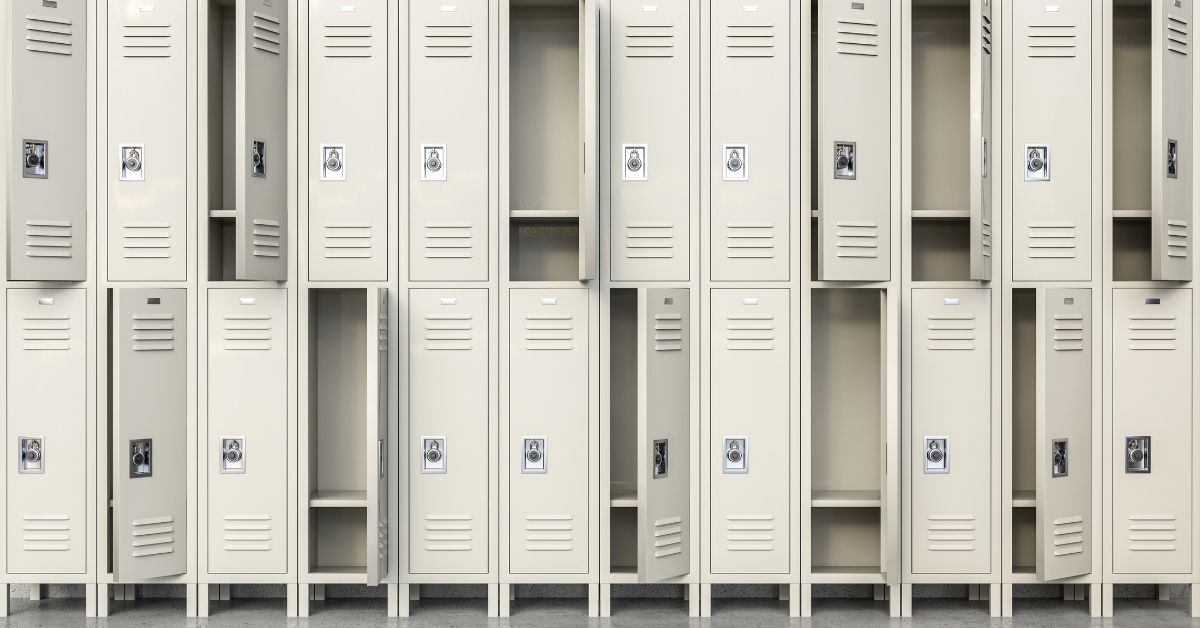
At a mechanical level, gym locker mechanisms are fairly simple: a metal or composite box, a hinged door, and some form of locking mechanism that keeps it closed until the right code, key, or credential is presented. What separates a well-designed unit from a poorly built one usually comes down to the quality of the hinges, the latch, and how well the whole system resists the daily abuse of a busy locker room.
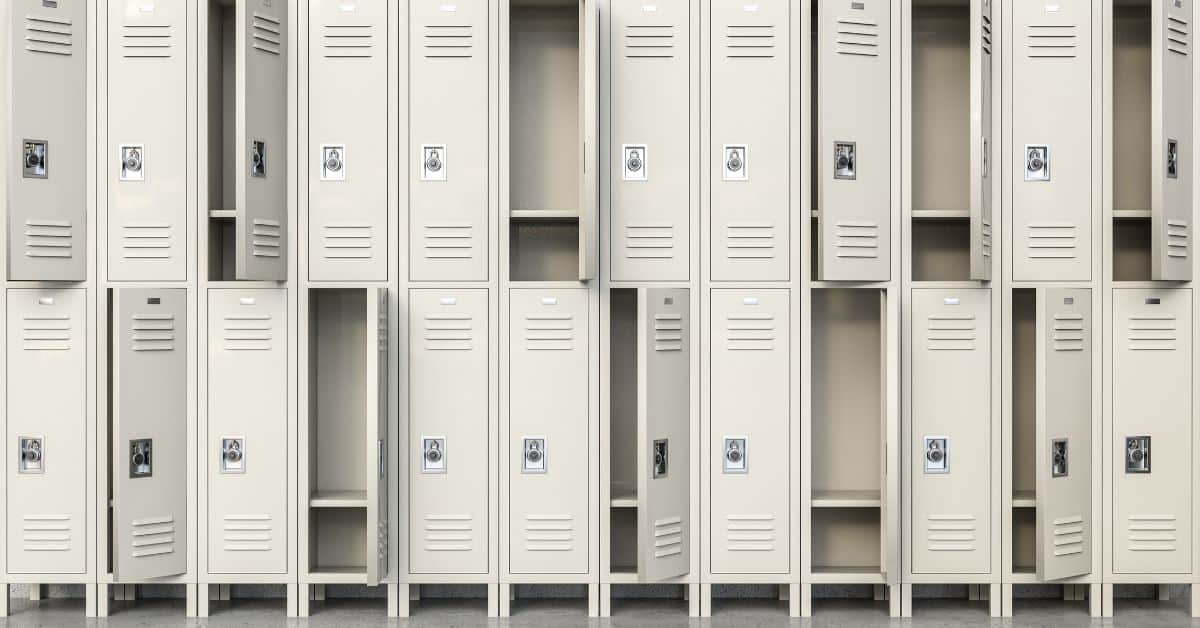
Ventilation is also part of the basic design, since a sealed box holding damp gym clothes for hours quickly becomes a problem. Proper airflow directly impacts how well a locker resists moisture, rust, and the smell that comes with heavy daily use, which is why vent design matters just as much as the lock itself.
For decades, coin-operated lockers were the default choice, using a simple mechanical lock that released once a member inserted the right coin or token. These systems still show up in older facilities because they are cheap to install and do not require any power source, but they come with real downsides. Coins get lost, mechanisms wear out faster, and there is no way to track who used which locker.
Keyless entry lockers have largely replaced coin systems in newer gyms, relying on digital keypads, RFID cards, or mobile app credentials instead. This shift solves several problems at once: members never lose a key, staff can reset codes remotely if someone forgets theirs, and facilities gain a usage log that helps with both security and maintenance planning. The tradeoff is cost, since keyless systems require both hardware and occasional software support that a basic coin lock never needed.
Behind every locker room is a system for deciding who gets which unit, and this is where facility size makes a big difference. Smaller gyms often use first-come, first-served day lockers, where members simply grab whatever is open and the lock resets once they leave. Larger facilities with loyal, recurring members sometimes offer permanent assignment, letting someone keep the same locker for months at a time in exchange for a membership tier or add-on fee.
Both models have tradeoffs. Day use assignment maximizes how many members a limited number of lockers can serve, while permanent assignment builds loyalty but ties up space that might otherwise sit empty most of the week. Facilities considering a switch between these models need a physical unit that can support whichever assignment method the gym ultimately settles on.
A functioning locker room workflow involves more than just the locks themselves. Staff typically monitor for lockers left open overnight, respond to jammed doors, and periodically audit units for items left behind that need to go to lost and found. During peak hours, some facilities also track which banks of lockers fill up first, using that data to plan future expansion or rearrange layout for better flow.
Maintenance is a bigger part of daily operations than most members realize. Hinges loosen, latches stick, and keypad batteries die, all of which require a staff member to notice and fix quickly before it turns into a member complaint. Facilities that treat maintenance as an ongoing task rather than a reactive one tend to have far fewer locker-related service tickets over time.
Not every gym needs the most advanced locking technology available. A small boutique studio with a loyal, small member base might do perfectly well with simple mechanical locks, while a large fitness chain with thousands of daily visitors almost certainly needs a keyless system that can handle high turnover without constant staff intervention.
Ventilation, material, and mechanism type all need to work together rather than being chosen separately. A facility dealing with heavy moisture, like one near a pool or sauna, benefits from pairing keyless entry with a locker material designed to resist odor and rust rather than focusing on access technology alone. Facility fitness storage systems planning should always start with actual usage patterns rather than assumptions, since the right setup for a college recreation center looks very different from what a small local gym actually needs.
Lockers Unlimited helps facilities work through these decisions, matching locking mechanisms and materials to the specific traffic patterns and moisture conditions each gym actually deals with day-to-day.
Once you understand how gym lockers work, from the basic mechanism to the assignment system and daily maintenance routine, it becomes much easier to see why some facilities run smoothly while others struggle with recurring complaints. A little planning upfront on mechanism type and material choice pays off every single day the locker room is in use.
1. How do gym lockers work when there is no assigned owner?
Day use lockers reset automatically once a member removes their code or credential, allowing the same unit to serve multiple different members throughout a single day.
2. Are keyless entry lockers more reliable than coin-operated ones?
Generally yes, since keyless systems avoid lost coins and worn mechanical parts, though they do require occasional software updates and battery maintenance on the keypad hardware.
3. Why do some gym lockers develop odor problems?
Moisture from sweat and damp clothing gets trapped inside poorly ventilated units, and the material of the locker itself plays a large role in how much odor and bacteria build up.
4. How often should gym locker mechanisms be inspected?
Most facilities check hinges, latches, and keypads at least monthly, though high-traffic locker rooms often benefit from weekly spot checks to catch small issues early.
5. What is the biggest factor in choosing a locker assignment system?
Facility size and member turnover matter most, since large, high-traffic gyms usually need day use systems while smaller facilities can support permanent assignment more easily.