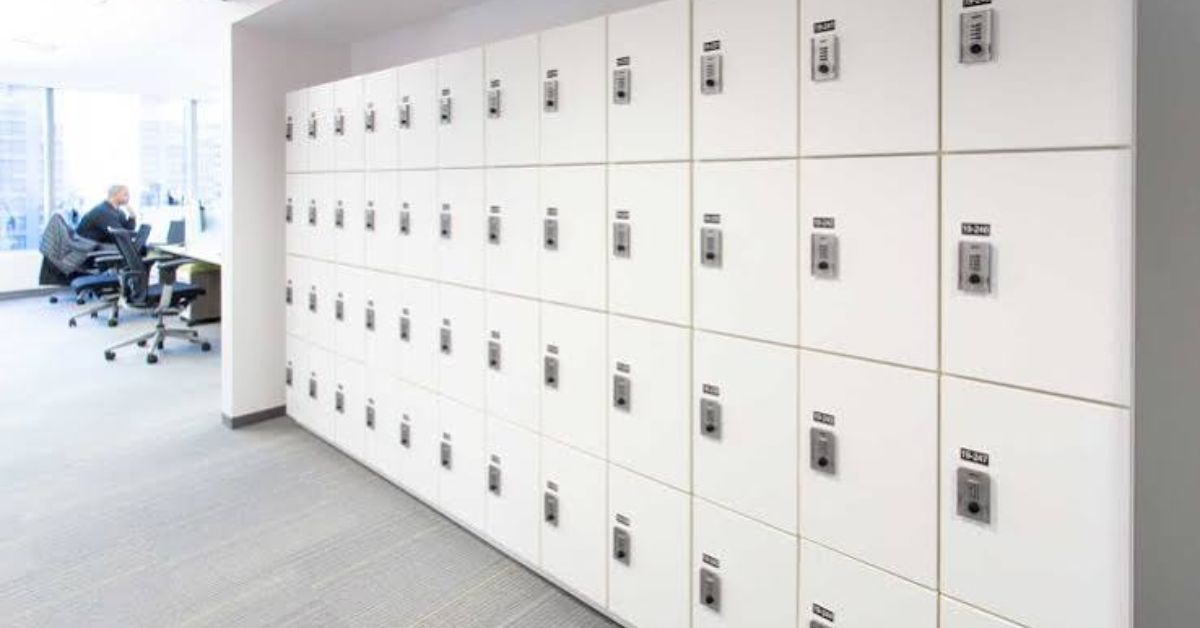


Anyone who’s walked into a gym locker room at the wrong time of day knows the smell problem isn’t hypothetical. Sweat, damp towels, and enclosed metal compartments are basically a recipe for odor, and once it sets into a space, it’s hard to shake. The good news is that the material a locker is made from plays a much bigger role in odor control than most people assume and choosing the right one upfront saves a lot of cleaning headaches down the road.
This isn’t just about smell, either. The same conditions that cause odor also lead to rust, warping, and a shorter lifespan for the lockers themselves. Getting the material right solves multiple problems at once.
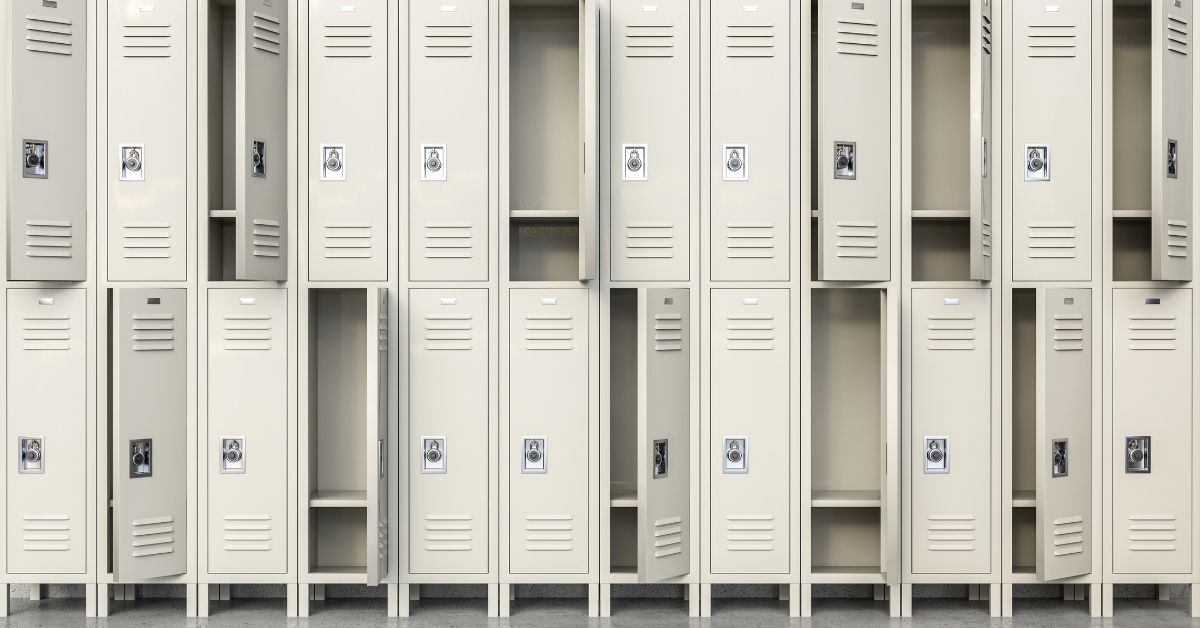
Traditional painted steel lockers are common because they’re affordable and durable, but they’re not great at handling consistent moisture. Sweat and humidity get trapped against the metal surface, and over time that creates the ideal environment for bacteria and mildew -the actual source of most locker room odor, not just leftover gym clothes.
Ventilation gaps help, but they only do so much if the surrounding material itself holds onto moisture. This is part of why so many facilities upgrading their setups look closely at why ventilated lockers for gyms matter before assuming any metal locker with a few slots in the door will solve the problem on its own.
Rust is the other issue. Once moisture sits against painted steel long enough, the protective coating starts to break down, and rust accelerates both the smell and the physical deterioration of the unit.
Phenolic lockers were specifically built for environments where standard metal struggles -pool areas, locker rooms, anywhere consistent moisture is a given rather than an occasional problem. The material itself resists water absorption almost entirely, which means it doesn’t hold onto the moisture that feeds bacteria and odor growth in the first place.
This makes phenolic a strong option anywhere towels, swimsuits, or sweat-soaked clothing sit for extended periods. Reviewing the best phenolic lockers for gyms, pools, and wet areas gives a clearer picture of why this material has become a go-to choice for facilities dealing with chronic moisture issues that standard steel just can’t handle long-term.
The tradeoff is cost -phenolic units typically run more expensive than basic steel lockers. For high-moisture areas, though, the reduced maintenance and odor control often justify the higher upfront price over the unit’s lifespan.
Plastic lockers have become a serious contender for gym environments, largely because the material is naturally water-resistant and doesn’t corrode the way metal does. There’s no rust to worry about, no paint to chip away and expose bare metal to moisture, and cleaning is generally simpler since plastic surfaces don’t absorb odor the way porous or coated materials can.
For facilities weighing options, looking at the top plastic lockers for gyms where durability meets design shows how far this category has come from the basic plastic units of years past. Modern plastic lockers come in a wide range of finishes and configurations that don’t sacrifice appearance for function.
A broader look at the unique benefits of plastic lockers covers why this material performs particularly well in any setting where moisture is a constant rather than an occasional concern -gyms, pools, even outdoor or semi-outdoor storage applications.
Even the best moisture-resistant material benefits from proper airflow. Solid doors with no ventilation trap whatever moisture does get inside, regardless of whether the locker is steel, plastic, or phenolic. Perforated doors or vented panels let trapped humidity escape rather than sitting against stored items for hours.
Lockers Unlimited frequently recommends pairing a moisture-resistant material with proper ventilation rather than treating either one as a complete solution on its own. The combination consistently outperforms relying on material alone, especially in facilities with heavy daily traffic where lockers rarely get a chance to fully dry out between uses.
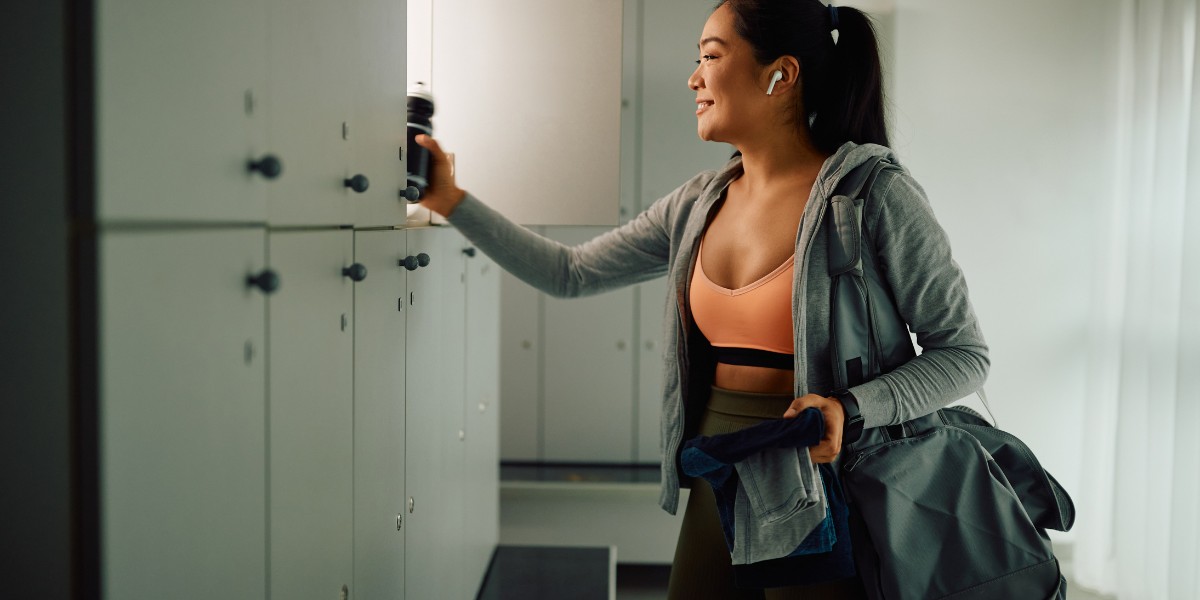
Material choice solves a lot, but it doesn’t eliminate the need for basic upkeep. Wiping down interiors periodically, encouraging members to avoid leaving wet items in lockers overnight, and addressing any standing water in locker room floors quickly all support whatever material you’ve chosen.
Facilities that pair the right material with reasonable maintenance habits tend to avoid the worst odor problems almost entirely, rather than constantly fighting a smell that’s already deeply set into the space. Once odor gets into porous material or rusted metal, it’s far harder to remove than it is to prevent in the first place.
If you’re planning an upgrade and weighing several material options side by side, it helps to think about your specific moisture conditions first -a pool-adjacent locker room has very different needs than a dry-climate gym with moderate humidity, even though both deal with sweat daily.
Phenolic and plastic lockers generally outperform standard painted steel because they resist moisture absorption, which is the root cause of most locker room odor and bacteria growth.
Yes, significantly. Ventilation allows trapped humidity and odor to escape rather than sitting against stored items for hours, which helps regardless of the locker material used.
Plastic lockers can run slightly higher in upfront cost compared to basic steel, but the difference is often offset by lower long-term maintenance and resistance to rust and corrosion.
Routine wipe-downs every few weeks help significantly, with deeper cleaning scheduled monthly or as needed depending on usage volume and humidity levels in the facility.
Yes. Rust forms when moisture sits against untreated or damaged metal surfaces, and the same conditions that cause rust also support bacteria and mildew growth responsible for persistent smells.
For facilities with chronic moisture and odor issues, upgrading often pays off in reduced maintenance and complaints. For drier environments with minimal odor problems, a full upgrade may not be necessary.