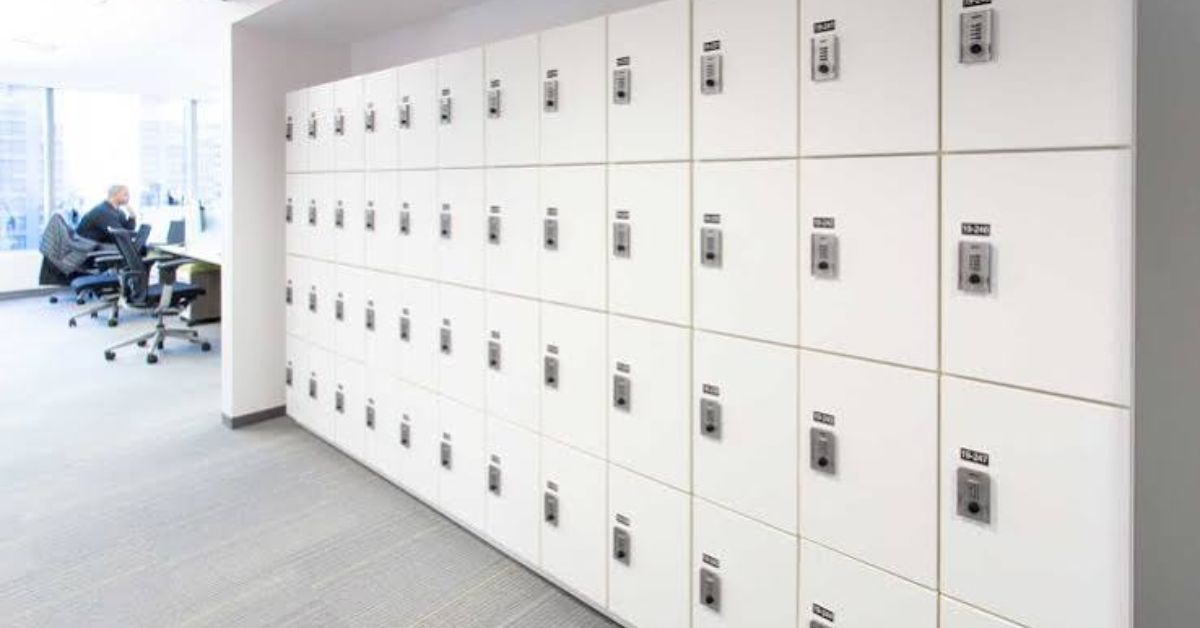


Buying used lockers for sale can be a smart and budget-friendly way to upgrade your facility-whether it’s a school, gym, warehouse, or office. But not all used lockers are worth the investment. If you want lockers that last, look good, and actually meet your needs, you’ll need to know what to look for before making a purchase.
This guide gives you a simple, straightforward checklist to follow when you’re in the market for used lockers for sale near me or online. Let’s break down what makes a used locker worth buying-and what should send you looking elsewhere.
Before we dive into the checklist, let’s talk about why so many businesses and organizations choose to buy used lockers in the first place:
That said, buying used means you need to be a little more careful about what you’re getting. Let’s get into how to spot the lockers worth investing in.

Start by confirming what the lockers are made of. The most common materials include:
For most environments, metal is your safest bet. It’s durable, easy to clean, and usually holds up well over time-even with previous use.
Minor scratches or scuffs are normal, but avoid lockers with:
If the frame is bent or the doors don’t close properly, it could lead to security issues or costly repairs. Ask for detailed photos or, if possible, see the lockers in person before committing.
Locks and hinges are often the first parts to wear out. Open and close each door if you’re inspecting lockers on-site. Look for:
Some suppliers replace locks before reselling, so if you find a unit with broken locks, ask if replacements are included-or budget for new ones.
Especially for lockers used in gyms, schools, or workspaces, proper ventilation matters. Perforated doors or louvered panels help reduce odors and moisture buildup.
Also, check for signs of mold, mildew, or grime. Reputable sellers will clean and sanitize lockers before resale, but it never hurts to double-check.
Not all lockers are the same size. Depending on your needs, you’ll want to consider:
Think about what your users need to store, how much space you have, and how many lockers you need to fit in that space.
Consistency matters, especially in public-facing environments. Find out:
Buying in bulk from the same batch helps keep your facility looking clean and professional.
When shopping for lockers for sale, used or not, don’t forget about accessories. Ask if the following are included:
These small details make a big difference in functionality and user experience.
If you’re searching for used lockers for sale near me, here are a few tips to make the process smoother:
Always work with a trusted seller who specializes in lockers or commercial storage. That way, you’re more likely to get products that have been inspected, cleaned, and refurbished if needed.
Avoid deals that seem too good to be true on marketplaces without buyer protections-you could end up with damaged or incomplete units.
Used lockers can be bulky and heavy. Ask:
Knowing these logistics ahead of time avoids any surprises later.
Most lockers come assembled, but depending on the supplier, some might need reassembly or wall mounting. Check what’s required and make sure you have the tools or support needed.
You don’t have to search high and low for reliable options. If you want lockers that are in good condition, fairly priced, and ready to install, check out Lockers Unlimited. They offer a selection of lockers for sale, including well-maintained used units that can help you save money without cutting corners on quality.
Buying used lockers for sale is a smart move-if you know what to look for. With the right checklist in hand, you can confidently evaluate locker materials, condition, security features, and size to make the best choice for your space.
Whether you’re upgrading a school hallway, outfitting a staff locker room, or expanding your gym, second-hand lockers can deliver the durability and functionality you need-at a price that keeps your budget on track.
So the next time you’re ready to buy used lockers, don’t settle for guesswork. Use this checklist, do your homework, and make a smart, lasting investment in your facility.