
Getting new lockers ordered is the exciting part. The installation is where projects either come together cleanly or turn into a headache. If you’re planning a locker installation in Charlotte NC -whether for a school, gym, office, or warehouse -understanding the process before work begins saves you time, money, and a lot of back-and-forth with your installer.
This guide walks you through exactly what professional locker installation looks like, what decisions you’ll need to make ahead of time, and the practical tips that keep a project on track.
Good installations don’t start on the day the crew shows up. They start weeks earlier, during the planning phase.
The first thing a professional installer needs is a site assessment. That means walking your space, measuring walls, noting floor conditions, checking ceiling height for taller units, and identifying any obstacles -pipes, electrical panels, HVAC vents -that could affect locker placement.
From that assessment, you’ll get a layout plan. This matters more than people realize. An efficient layout affects how users move through the space, whether ADA clearance requirements are met, and how many lockers actually fit without the room feeling cramped. A few inches of miscalculation can mean an entire row doesn’t fit the way you planned.
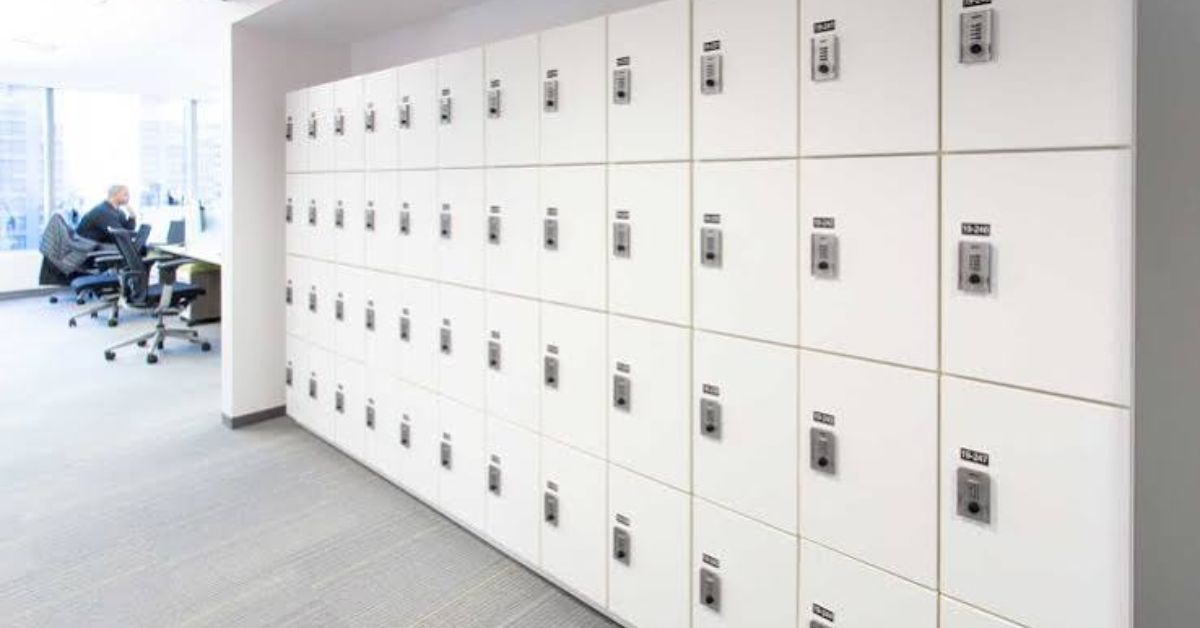
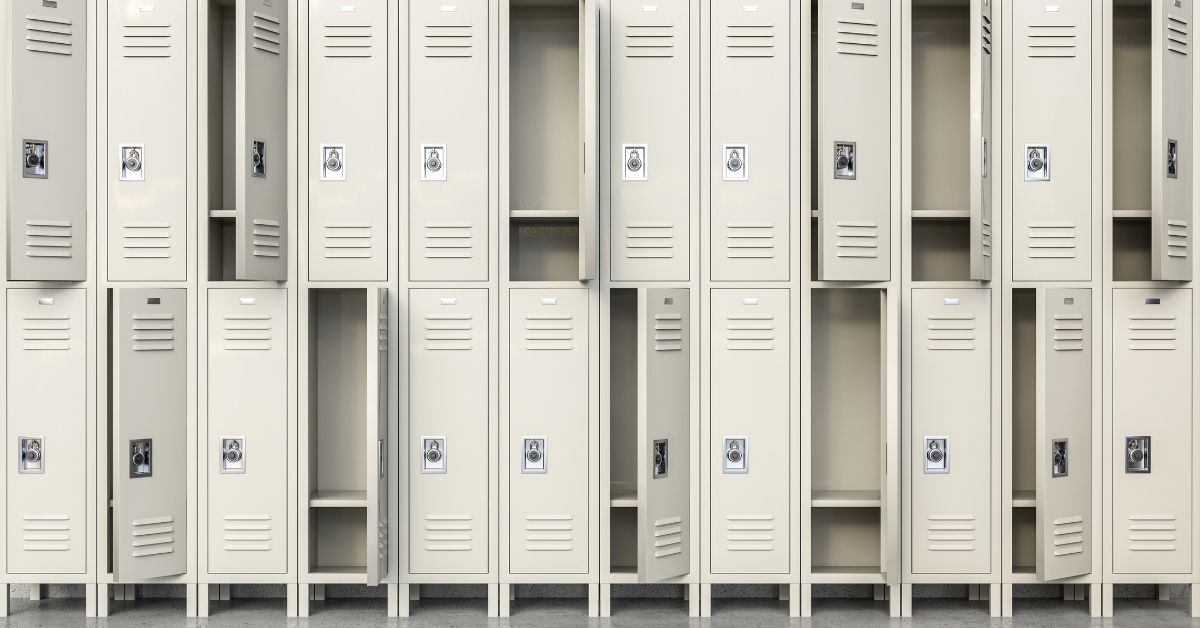
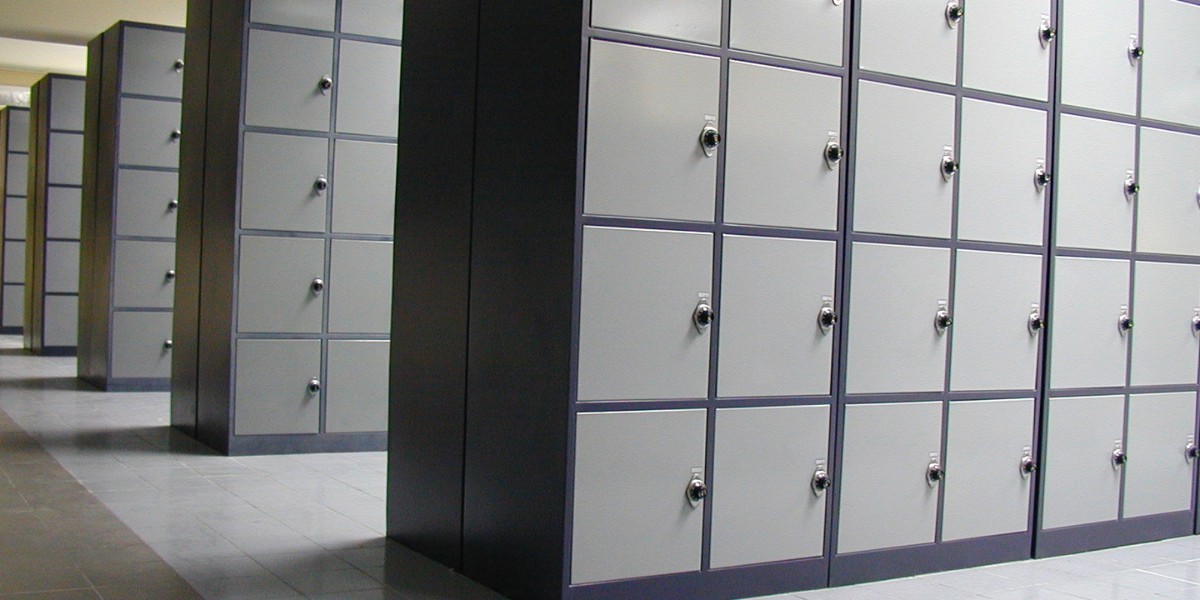
Once the layout is approved, you’ll confirm your locker type, configuration, color, and locking mechanism. Metal, plastic, or phenolic? Single-tier, double-tier, or triple-tier? Padlock hasp, built-in combination, or electronic keypad? These decisions all have to be locked in before anything ships. If you’re browsing product options, reviewing the full range of new lockers available for schools, gyms, and commercial facilities will give you a solid sense of what’s possible before that conversation with your installer.
Lead times typically run two to four weeks for standard orders and four to eight weeks for custom configurations. Build that into your project timeline so you’re not in a rush when the delivery truck arrives.
On installation day, here’s what a professional crew actually does.
The floor and wall areas need to be clear of furniture, debris, and any existing fixtures being removed. If you have old lockers being swapped out, a reputable installer will handle demolition and haul-away as part of the project -don’t assume that’s included unless it’s written into your quote.
Lockers aren’t just set down and left freestanding. They’re anchored to the wall or floor (or both) depending on locker type, height, and local building code. Properly anchored lockers can’t be tipped over, which matters enormously in schools and high-traffic environments. Charlotte’s commercial building standards require secure anchoring, so make sure your installer is pulling this off the checklist -not skipping it.
Even a slightly unlevel floor causes problems over time. Doors won’t close flush, locks bind up, and the whole installation looks off. A good crew uses shims to get every unit plumb and level before bolting banks together.
Number plates, coat hooks, shelves, locks, and any ventilation louvers are typically installed after the locker bodies are secured. This is also when locker room benches get anchored -either pedestal-mounted to the floor or wall-mounted, depending on your layout.
If your project involves industrial-scale storage alongside lockers, such as pallet racking or shelving for a warehouse breakroom, it’s worth coordinating both installations together. A single crew that handles warehouse racking in Charlotte NC alongside your locker setup avoids scheduling conflicts and ensures the overall storage layout makes sense as a whole.
A few avoidable missteps show up on locker projects again and again.
Not measuring for real-world conditions. Blueprint dimensions and actual wall dimensions aren’t always the same. Crown molding, baseboards, outlet covers, and wall protrusions all eat into usable space. Always measure the actual installation surface, not just the room footprint.
Ordering lockers without confirming ADA requirements. The Americans with Disabilities Act has specific requirements around accessible locker placement and bench height. In schools and public facilities, this isn’t optional. Make sure your layout plan accounts for these before you finalize your order.
Skipping professional installation to cut costs. DIY locker installation sounds appealing until you’re three hours in, a wall anchor pulls clean out of drywall, and the doors are hanging crooked. For a small residential setup, that might be fine. For anything commercial -a school hallway, a gym locker room, a break room with 30+ units -professional installation pays for itself in time saved and problems avoided.
Not planning for future growth. If you’re outfitting a space that might expand in two or three years, choose a configuration and locker line that allows add-ons. Some systems let you add units without disrupting the existing installation. Others don’t. Ask before you order.
For gym owners specifically, the stakes of a poor installation are particularly visible. Members notice immediately when locker room quality falls short. A guide to gym lockers in Charlotte NC for fitness centers covers what to prioritize from both a materials and member-experience standpoint.

Not all locker installers are the same. Here’s what to look for.
Experience matters above all else. A team that’s been doing commercial locker installations in the Charlotte area for decades has seen every floor type, wall condition, and configuration challenge. They won’t be troubleshooting on your dime.
Look for an installer who handles the full project -supply, delivery, installation, and any required removal of old equipment. A single point of contact means fewer handoffs and clearer accountability if something goes wrong.
Ask for a detailed, itemized quote. Product cost, delivery, labor, and hardware should each be broken out. A single all-in number with no breakdown is a red flag.
References from similar projects are worth requesting. If you’re installing school lockers, ask if they’ve done school installations. If it’s a gym, same question. Industry experience matters because the requirements -ADA compliance, ventilation, moisture resistance -differ by environment.
Lockers Unlimited has been handling locker installation in Charlotte and across North Carolina since 1992. Their full-service approach covers everything from layout planning and installation services to repairs and parts -so you’re not left searching for a separate maintenance provider down the road.
When you hire the right team and do the planning work upfront, locker installation is a smooth, one-day process. The problems only come when steps get skipped. Take the site assessment seriously, confirm your layout before ordering, and choose an installer with a real track record in Charlotte. Get that part right and the rest tends to take care of itself.
Most standard commercial installations -20 to 100 units -are completed in a single day. Larger projects or those requiring significant site prep may take two days. Your installer should give you a realistic time estimate before scheduling.
For most standard locker installations in commercial buildings, a permit isn’t required. However, if the project involves structural wall modifications or is part of a larger renovation, permits may be needed. A professional installer familiar with Charlotte’s building codes will let you know upfront.
Yes. Professional installers use shims and leveling hardware to ensure every unit sits plumb and aligned regardless of floor conditions. This is standard practice and shouldn’t affect the overall timeline significantly.
Wall anchoring secures locker banks to wall studs and is common for standard commercial installations. Floor anchoring is used for freestanding banks or when wall studs aren’t positioned correctly. Some installations use both. Your installer will determine the best approach based on your wall construction and locker height.
It depends on the locker line. Many commercial metal locker systems are modular and allow you to add units to an existing bank without disturbing the current installation. Confirm this with your supplier before you order if future expansion is a possibility. You can browse locker options for every industry in Charlotte NC to see which systems offer modular add-ons.
Clear the installation area completely -move furniture, remove anything hanging on the walls in the target zone, and ensure the crew has unobstructed access. If old lockers are being removed, confirm with your installer whether demolition is included in the scope or needs to be handled separately beforehand.