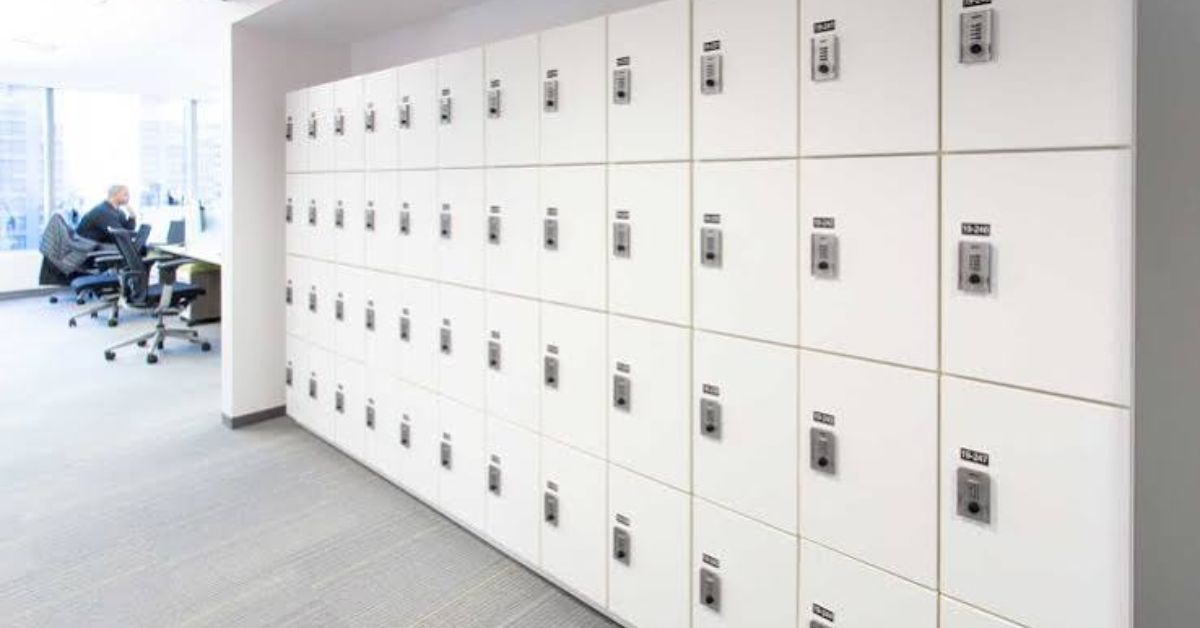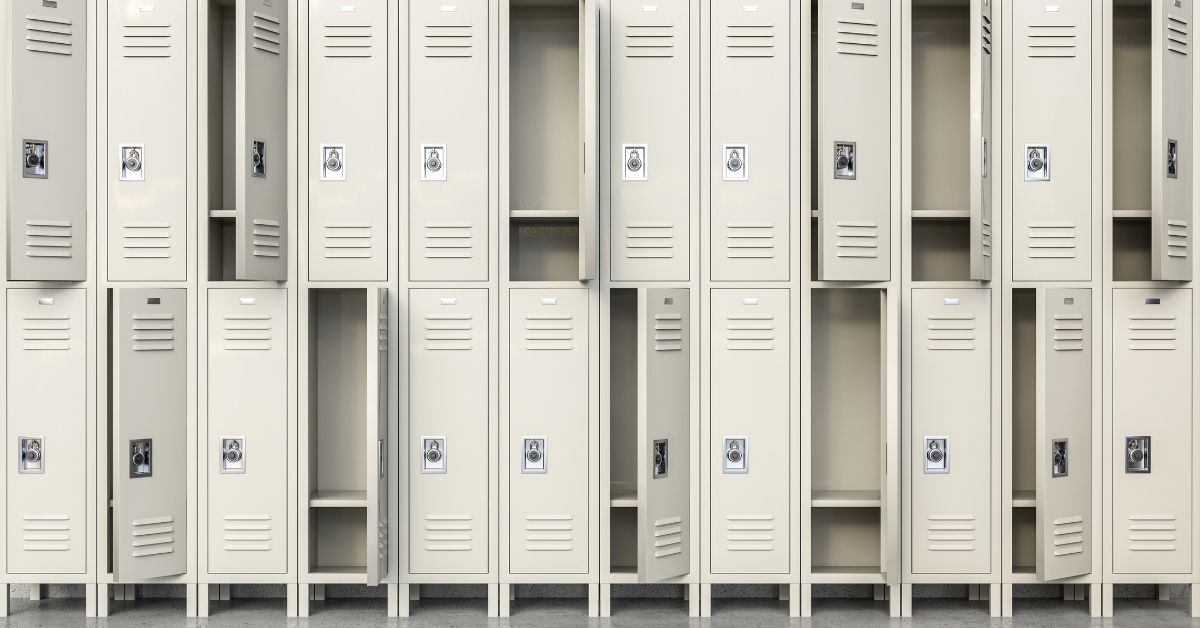


Adding home lockers to your living space is one of the smartest investments you can make for long-term organization. Whether you’re tackling a cluttered mudroom, a chaotic garage, a busy entryway, or a child’s bedroom, a well-installed locker transforms disorder into a clean, functional system. But getting the most out of your new storage depends on more than just buying the right unit proper installation is what separates a locker that looks great and lasts for years from one that wobbles, wastes space, or ends up being more hassle than it’s worth.
In this guide, we’ll walk through the top installation tips to help you set up your home lockers the right way from day one.
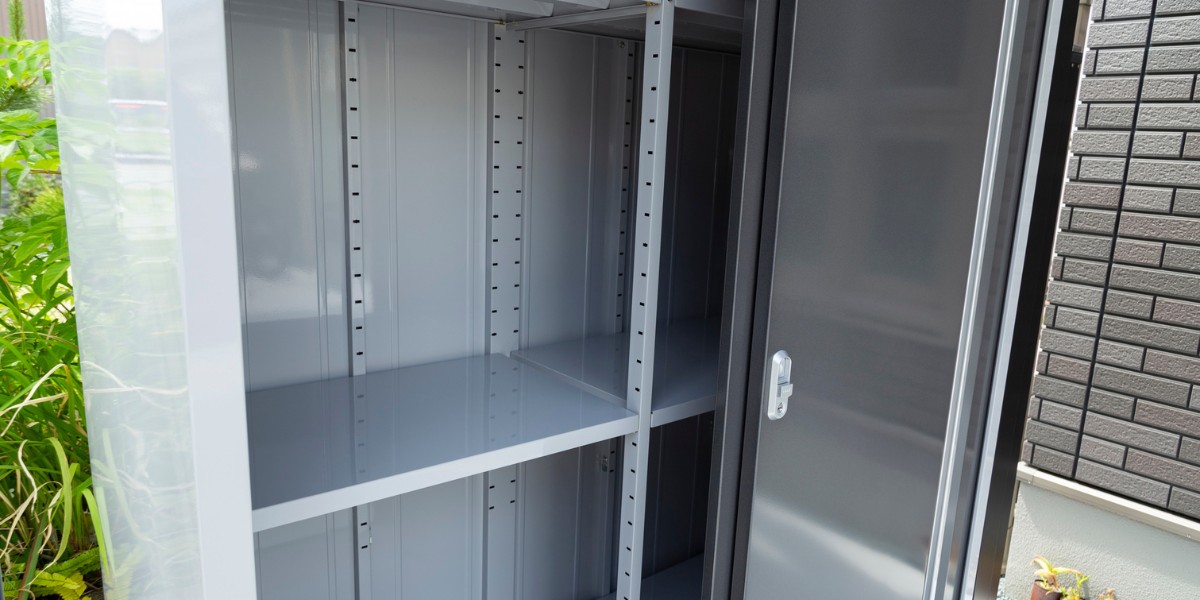
The most common installation mistake homeowners make is purchasing home lockers without carefully measuring the intended space first. Before you order anything, grab a tape measure and record the height, width, and depth of the area where the locker will sit. Account for any baseboards, trim, or ceiling features that might affect fit. Also consider door swing make sure locker doors can open fully without hitting a wall, another piece of furniture, or a hallway corner.
If you’re installing multiple units side by side, measure the total run of wall space and calculate how many lockers fit comfortably. Leaving a little breathing room is always smarter than cramming units together. A tight, accurate plan upfront saves you from costly returns and re-orders down the line.
Not all home lockers serve the same purpose, and placement matters enormously. Here’s a quick breakdown of smart location choices by room:
Before positioning your locker, use a spirit level to check both the floor and the wall surface. Uneven floors are more common than most people realize, especially in older homes and garages. If the floor isn’t perfectly level, a locker can rock, lean, or put uneven stress on its frame over time eventually warping doors or weakening hinges.
Most home lockers come with adjustable feet specifically to compensate for uneven surfaces. Use them. A few minutes spent leveling your unit during installation can add years to its functional life. If you’re installing on a concrete garage floor, check for moisture as well placing a moisture barrier under the locker base prevents rust and corrosion from developing underneath.
Wall anchoring is a step that many homeowners skip, but it’s one of the most important safety measures for taller locker units. A freestanding locker especially a full-height model can tip forward if a heavy door is pulled open aggressively, if a child climbs on it, or simply if it’s overloaded with weight at the top.
To anchor properly, locate the wall studs behind your installation area using a stud finder. Use appropriate lag bolts or wall anchors rated for your locker’s weight to fix the unit securely to the wall. For drywall with no stud in the ideal position, use toggle bolts rated for the load. If you’re installing into a masonry or brick wall, use masonry anchors and a hammer drill. Once anchored, there should be zero wobble recheck your level after anchoring, as tightening bolts can shift alignment slightly.
Installation isn’t just about getting the locker physically in place it’s also about setting up the interior for maximum functionality. Many home lockers come with basic shelving, but there’s a lot more you can do to customize the interior for your specific storage needs.
The right lock depends entirely on who is using the locker and what’s being stored. For kids’ rooms, a simple cam lock or even a locker without a lock may be appropriate. For storing tools in a garage shared with visitors or renters, a keyed deadbolt adds a meaningful security layer. For home offices where sensitive documents or electronics are kept, consider digital keypad locks or combination locks that don’t require a physical key to manage.
Whatever lock type you choose, test it thoroughly during installation before loading the locker. Check that the door closes flush, the lock engages smoothly, and the door doesn’t sag or bind. A door that doesn’t hang straight will wear out its locking mechanism prematurely address any alignment issues right away by adjusting the hinge screws.
A great locker installation considers the future as well as the present. If you’re storing sports gear, work clothing, or anything that can trap moisture or odors, choose lockers with ventilation slots or perforated doors. For enclosed installations in bathrooms or laundry rooms, adding a small dehumidifier nearby protects both the locker and its contents.
Plan for growth too. If you think you might want to add more units later, leave wall space and floor clearance now rather than retrofitting later. Modular locker systems make expansion easy buy a base configuration today and add units as your needs evolve. Periodically check anchor points, hinges, and locking hardware for wear, tightening any loose fasteners before they become a real problem.
Whether you’re outfitting a single mudroom or organizing your entire home, finding the right unit is the essential first step. Lockers Unlimited offers a wide range of home lockers in styles, sizes, and configurations to match any room and any budget. Browse their full collection to find the perfect fit for your home then use these installation tips to set it up right the first time.
Installing home lockers is a straightforward project when you go in prepared. Measure carefully, choose the right location, level your units, anchor them securely, and take the time to customize the interior for how you actually live. Done right, a well-installed home locker system pays dividends in organization, security, and daily convenience for years to come. Follow these tips, invest in quality units, and you’ll have a storage solution that genuinely makes your home work better.
For shorter, low-profile units, wall anchoring may be optional. However, any locker taller than 4–5 feet should always be anchored to the wall for safety. Taller units can tip forward under load or if pulled open aggressively, posing a risk especially in homes with children. Anchoring takes only a few minutes and is always the safer choice.
Yes. Most home lockers designed for garage use include adjustable leveling feet that compensate for uneven surfaces. Use a spirit level during installation to ensure the locker sits perfectly upright. This prevents door alignment issues and uneven wear on hinges and locks over time.
Most installations require a spirit level, a tape measure, a stud finder, a drill, and the appropriate screws or wall anchors for your wall type. Some lockers ship with basic hardware included. For masonry walls, a hammer drill and masonry anchors will also be needed. Always read the manufacturer’s assembly instructions before starting.
Choose lockers with a powder-coated finish, which provides a strong protective barrier against moisture. Place a moisture barrier or rubber mat under the locker base to prevent ground moisture from contacting the steel frame. In particularly humid garages, a small dehumidifier or moisture-absorbing products placed nearby can also help significantly extend the life of your locker.
Yes, with some considerations. Freestanding home lockers that don’t require wall anchoring are the most renter-friendly option, as they leave no permanent marks. If you do need to anchor to a wall, patch the holes properly when you move out. Always check your lease agreement before making wall modifications, and consider using furniture anchoring straps as a less invasive alternative to lag bolts.
Keyed locks offer strong security and are harder to bypass, but require you to manage physical keys which can be lost or misplaced. Combination locks are keyless and convenient for daily use, though they’re generally slightly easier to defeat than keyed locks. For high-security needs, a digital keypad lock provides the best of both worlds: strong security with easy access management. Choose based on who will be using the locker and how sensitive the stored items are.
A good rule of thumb is one locker per regular household member who uses the space. If you have a family of four, four lockers or one unit with four compartments gives everyone their own dedicated space, which is the key to keeping the area consistently tidy. If space is limited, consider double-tier lockers that stack two compartments vertically, effectively doubling your storage capacity within the same floor footprint.