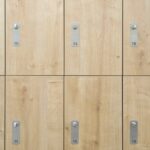
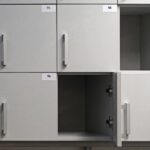
Picking the wrong size is one of the most common mistakes people make when ordering storage lockers, and it’s usually an expensive one to fix. Order too small, and you’re stuck cramming belongings in or buying a second round of units. Order too large, and you’ve wasted floor space and budget you’ll never get back. Understanding the standard sizing options – and how they’re actually measured – makes the whole process a lot less guesswork and a lot more planning.
The Standard Dimensions You’ll See Most Often
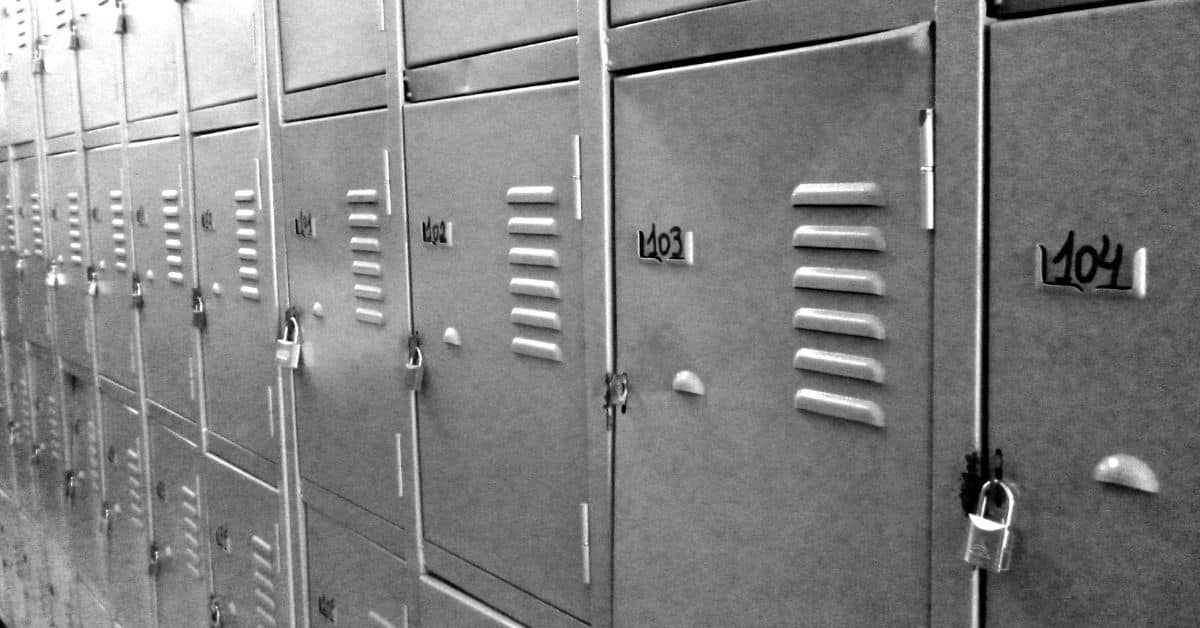
Storage lockers are typically measured by width, depth, and height, in that order, and most manufacturers work within a handful of standard sizes. Single-tier lockers commonly run 12, 15, or 18 inches wide, with depths of 15, 18, or 21 inches, and heights ranging from about 60 to 72 inches for a full-size unit.Depth matters more than people expect. A shallow 12-inch depth works fine for coats and small bags, but it won’t accommodate a gym duffel or a backpack without forcing the door shut. If your users are storing bulkier items regularly, err toward the deeper end of the range rather than assuming a standard depth will do.
Single-Tier vs. Multi-Tier: How Configuration Changes the Math
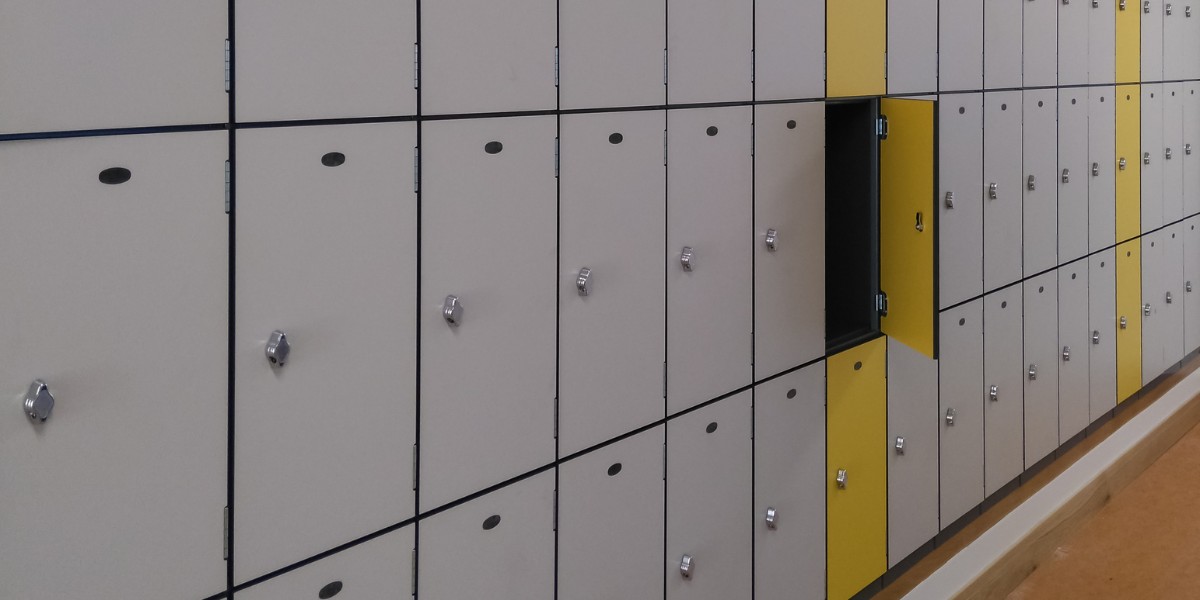
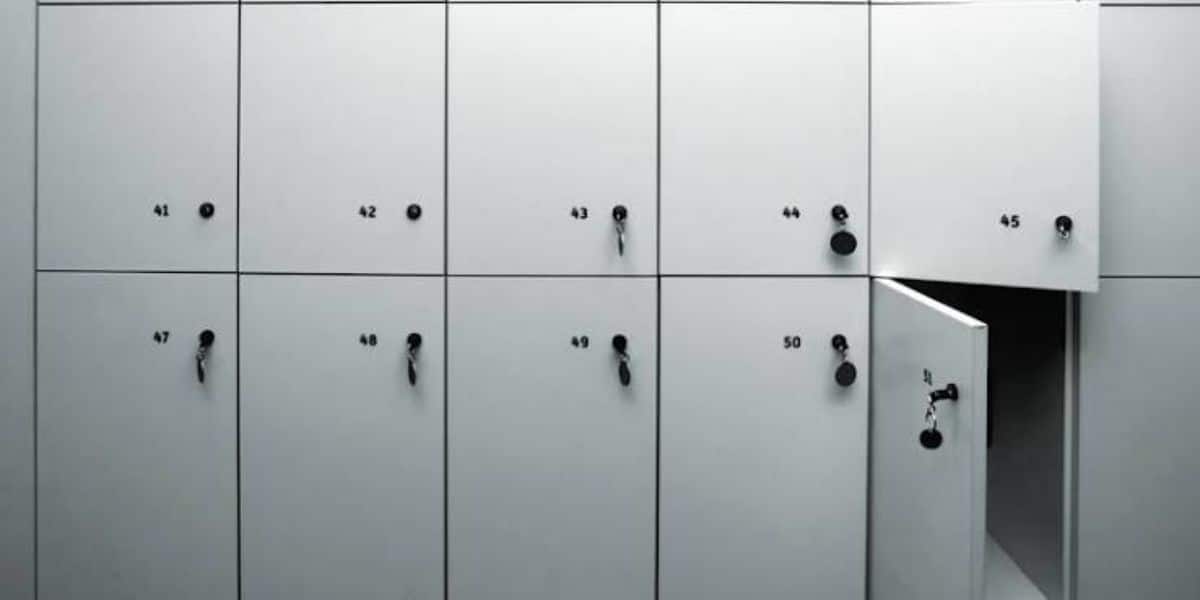
The number of compartments stacked in a single locker frame changes what “size” even means. Single-tier lockers give one full-height compartment per user, which works well for coats, bags, and equipment. Double-tier lockers split that same frame into two shorter compartments, doubling the number of users you can serve in the same footprint, at the cost of vertical room per person.Triple- and box-tier configurations go even further, cramming in more compartments for facilities that mainly need to store smaller items – phones, wallets, and light gear rather than full changes of clothes. If you’re planning storage lockers for a space where users need to change and store bulky items, single- or double-tier is usually the better fit. For quick-access, small-item storage, triple-tier stretches your floor space further.
Sizing for Specific Use Cases
Different environments call for different sizing logic. School lockers tend to run narrower and shorter than gym or workplace lockers, since students are mostly storing books, jackets, and small bags rather than full gear bags. Gym and athletic facility lockers usually go deeper and taller to accommodate duffel bags, cleats, and clothing changes.Workplace lockers fall somewhere in between, often sized for a coat, a bag, and maybe a change of shoes. If you’re outfitting a mixed-use facility, it’s worth sizing by zone rather than picking one dimension for the whole building – a locker room might need deeper units than a break room down the hall.
Measuring Your Space Before You Order
Before settling on a size, measure the actual installation footprint, not just the room. Account for door swing clearance, aisle width for accessibility, and any wall-mounted fixtures nearby. It’s a common oversight to measure a wall’s total length without factoring in the extra depth a locker bank needs for doors to open fully.If you’re not confident in your measurements, our locker layout and installation services team offers guidance on space planning before you commit to an order, which can prevent a costly resizing later.
Custom Sizing When Standard Options Don’t Fit
Sometimes standard dimensions just don’t work – an odd alcove, a low ceiling, or a facility with unusually large equipment to store. Custom-sized lockers exist for exactly this reason, though they typically cost more and take longer to produce than off-the-shelf units.At Lockers Unlimited, we’ve found that most facilities can actually get by with standard sizing once they’ve measured properly, and custom orders are more the exception than the rule. If you want to browse standard options first, our new lockers selection covers the most common sizes and tiers, and our used locker inventory is worth checking if you’re working with a tighter budget but still need a specific size range.Getting the size right the first time saves money, time, and the headache of retrofitting a space that already has lockers bolted to the floor.
A single-tier locker around 12 to 15 inches wide, 15 to 18 inches deep, and 60 to 72 inches tall is one of the most commonly ordered configurations, suitable for coats, bags, and general storage.
How do I know if I need single-tier or double-tier lockers?
If users need to store full-length clothing, bulky equipment, or gear bags, single-tier is usually better. Double-tier works well when users mainly need space for smaller items and you want to serve more people per square foot.
Do school lockers come in different sizes than gym lockers?
Yes, school lockers are typically narrower and shorter since students mostly store books and small bags. Gym lockers tend to be deeper to accommodate duffel bags, shoes, and clothing changes.
Can I order custom-sized storage lockers?
Custom sizing is available for spaces or use cases that don’t fit standard dimensions, though it usually comes with a higher cost and longer lead time than off-the-shelf sizes.
What should I measure before ordering lockers?
Measure the full installation footprint, including door swing clearance and any nearby fixtures, not just the wall length. Accessibility aisle width should also factor into your layout plan.
Are used lockers available in standard sizes?
Yes, used locker inventory typically includes the same standard size ranges as new units, often at a lower price point, making it a good option if you’re working with a defined budget.
At Lockers Unlimited, we combine innovation, quality, and excellent customer service to deliver the best storage solutions for your needs. From design to installation, we’re here to help every step of the way.
Ready to upgrade your space with our new lockers? Contact us today to discuss your project and find the perfect solution for your needs.