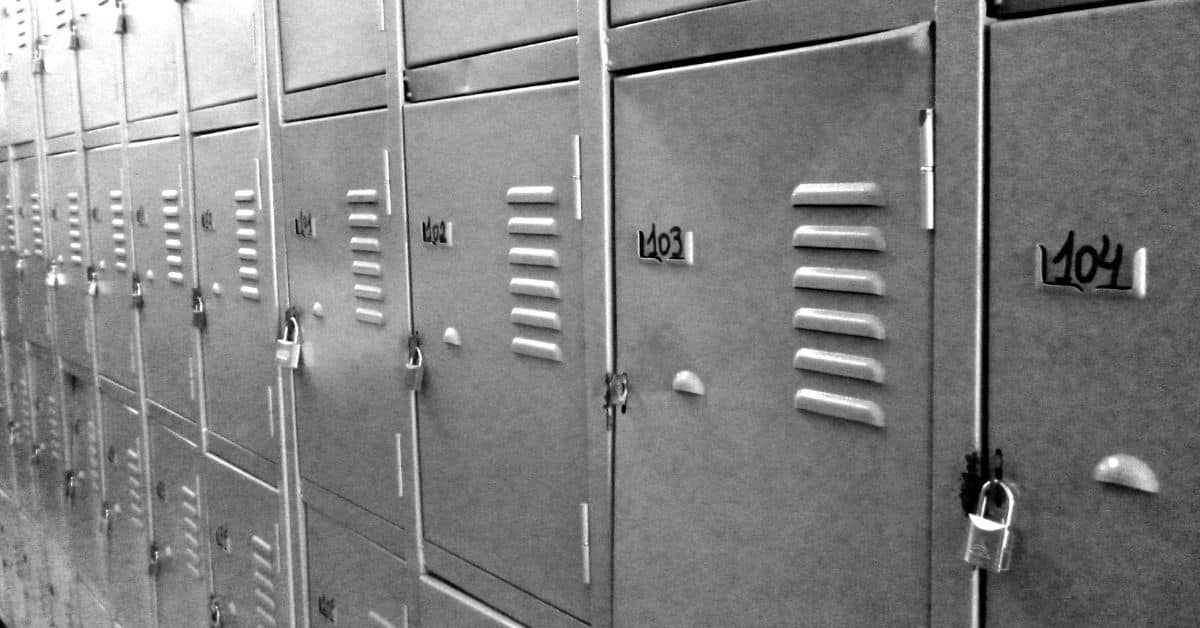
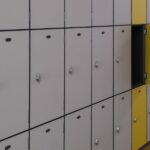
Walk through almost any school built before the 2000s, and you’ll find at least one hallway of school lockers that have clearly seen better days. Dented doors, locks that stick, hinges that squeal – it’s easy to let these slide as cosmetic issues rather than reasons to replace. But there’s a point where old school lockers stop being a minor annoyance and start being a real liability, both for student safety and for the school’s budget in the long run.
Signs Your School Lockers Are Past Their Prime
The most obvious red flag is doors that won’t close or latch properly. If students are jamming doors shut or propping them with tape, the locker isn’t doing its basic job of securing belongings anymore. Rust is another clear signal, especially around the base or hinges, since it indicates the metal itself is degrading rather than just showing surface wear.Locks that fail regularly are a less obvious but equally important sign. If your maintenance team is fielding constant requests to cut off stuck padlocks or reset combinations, that’s a sign the underlying hardware has worn past a reasonable service life. Sharp edges from dented or bent metal are a safety concern worth acting on immediately rather than waiting for a full replacement cycle.
The Real Cost of Waiting Too Long
It’s tempting to patch problems as they come up – a new hinge here, a replacement lock there – but repair costs add up fast on lockers that are fundamentally at the end of their usable life. At some point, the labor and parts spent on repeated fixes exceed what a full replacement would have cost, especially when you factor in staff time spent on repeat maintenance calls.There’s also a less visible cost: how the space looks and feels to students and visitors. Hallways full of dented, rusted lockers send a message about the building’s upkeep, even if the school is well-maintained everywhere else. For schools that rely on tours or community events to build support, that visual impression matters more than administrators sometimes realize.
Typical Lifespan of School Lockers
Well-built steel school lockers can last 20 to 30 years with reasonable maintenance, but that lifespan depends heavily on usage intensity and how well they were installed in the first place. High-traffic middle and high school hallways tend to wear lockers down faster than lower-traffic areas like staff rooms or administrative offices.If your school’s lockers are approaching or past that 20-year mark and showing multiple signs of wear at once – not just one dented door in an otherwise fine hallway – it’s a reasonable point to start planning a phased replacement rather than continuing spot repairs.
Planning a Replacement Without Disrupting the School Year
Replacing school lockers doesn’t have to mean shutting down a hallway for weeks. Many schools phase replacements over summer break or during scheduled facility upgrades, tackling one wing or grade level at a time. This spreads the cost across budget cycles and minimizes disruption to daily operations.Our locker demolition and installation services are built around exactly this kind of phased approach, helping schools remove old units and install new ones with minimal downtime. If your school is also weighing new versus used options, browsing our new lockers lineup alongside the used locker inventory can help you find the right balance between budget and long-term durability.
Choosing Replacement Lockers That Actually Last
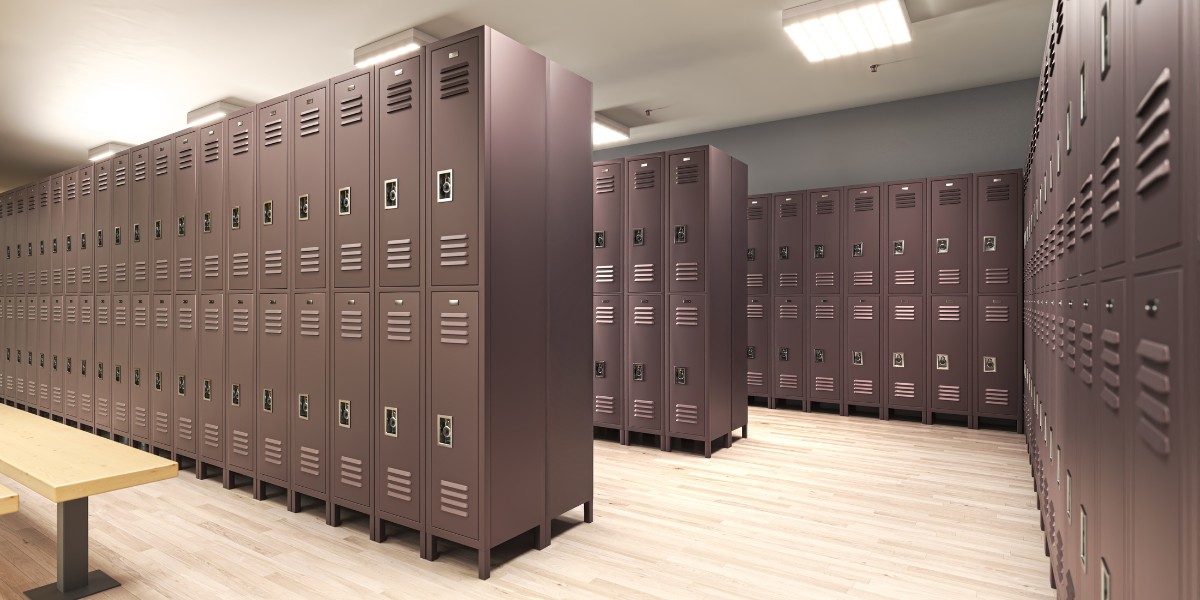
When it’s time to replace, it’s worth thinking beyond just matching what was there before. Lockers Unlimited has worked with schools shifting toward more durable coatings, better-sealed hinges, and lock types that hold up to years of daily student use. A slightly higher upfront investment in quality construction often pays for itself by pushing the next replacement cycle out another decade or more.If your maintenance team is unsure where to start, a walk-through assessment of which hallways need attention first – rather than a blanket full-building replacement – can make the project far more manageable from a budget standpoint.
Well-maintained steel school lockers often last 20 to 30 years, though heavy daily use in high-traffic hallways can shorten that lifespan noticeably.
What are the biggest warning signs that lockers need replacing?
Doors that won’t latch, visible rust, locks that fail repeatedly, and sharp or bent edges are the clearest signs it’s time to plan a replacement rather than another repair.
Is it cheaper to repair old lockers or replace them?
It depends on the extent of the damage, but once repair costs start piling up on lockers nearing the end of their expected lifespan, replacement usually becomes the more cost-effective long-term option.
Can schools replace lockers in phases instead of all at once?
Yes, many schools spread replacements across summer breaks or facility upgrade cycles, tackling one wing or grade level at a time to manage cost and minimize disruption.
Should schools consider used lockers as a replacement option?
Used lockers can be a solid budget-friendly choice, especially for lower-traffic areas, as long as they’re inspected for structural soundness and lock functionality before installation.
Do newer school lockers offer better durability than older models?
In many cases, yes. Improvements in coatings, hinge design, and lock hardware mean newer lockers can hold up to daily student use longer than models built decades ago.
At Lockers Unlimited, we combine innovation, quality, and excellent customer service to deliver the best storage solutions for your needs. From design to installation, we’re here to help every step of the way.
Ready to upgrade your space with our new lockers? Contact us today to discuss your project and find the perfect solution for your needs.