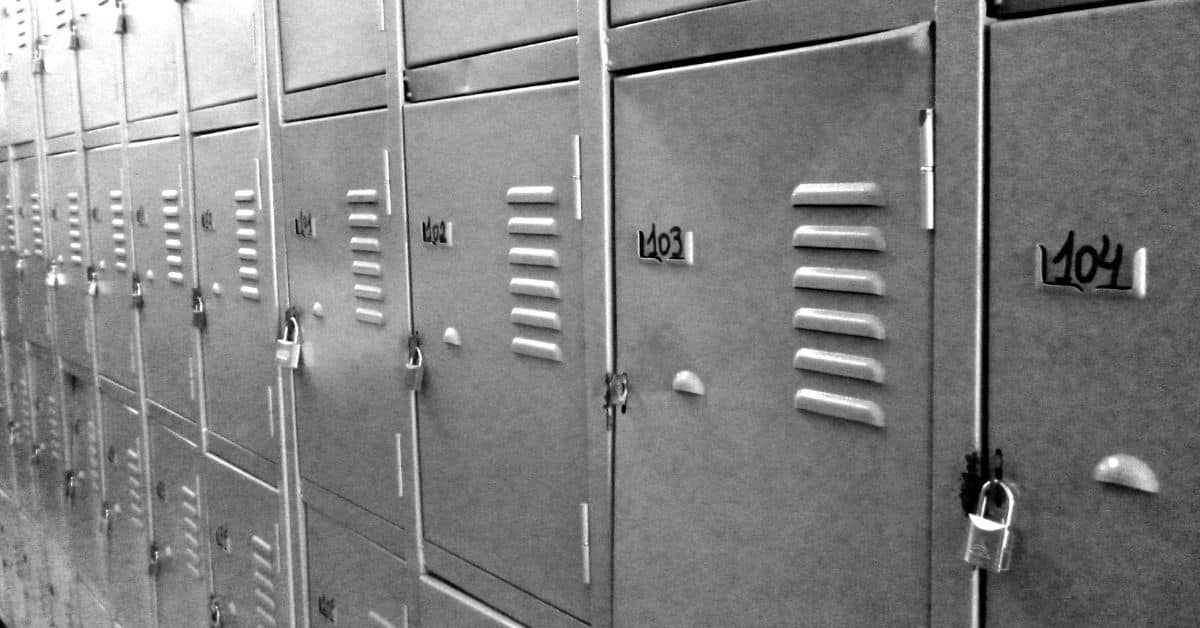
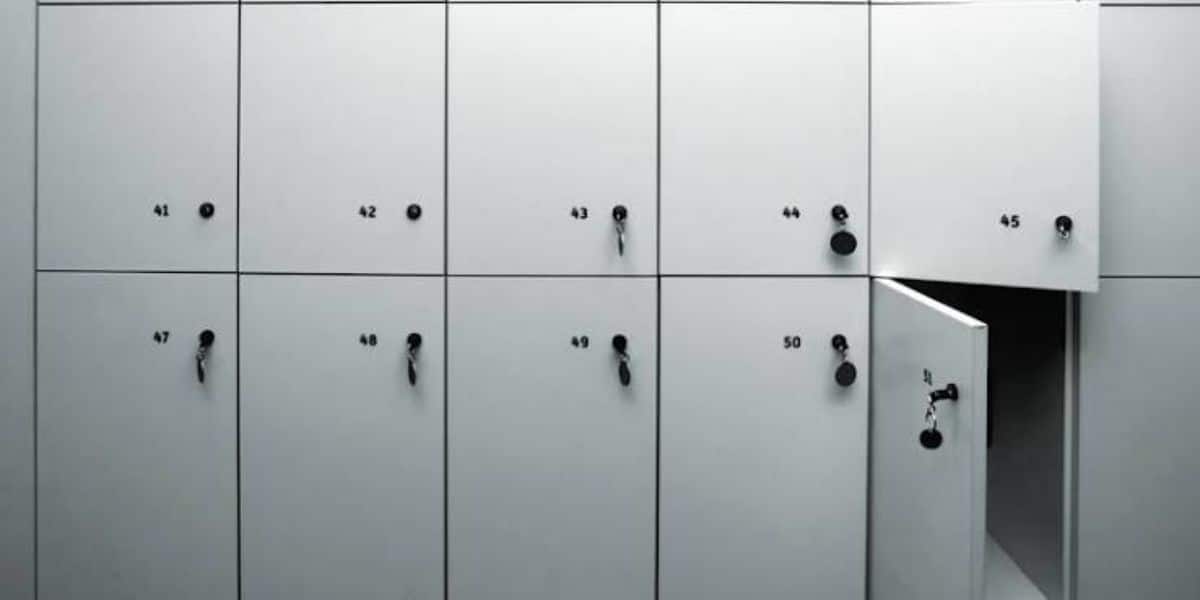
Ask any facility manager what keeps them up at night, and security usually tops the list. Choosing the best lock for storage facility use isn’t a minor detail you handle after the bigger decisions are made – it’s often the single factor that determines whether a break-in attempt succeeds or fails at the first obstacle. Storage lockers can be built from the thickest steel available, but if the lock securing them is an afterthought, all that durability is wasted. Getting the lock right protects everything else you’ve invested in.
Most storage facility break-ins don’t involve someone cutting through a steel locker wall. They involve someone defeating the lock – picking it, prying it, or cutting a cheap shackle in seconds. That’s why security experts consistently point to the lock, not the container, as the most common point of failure.
If you’re responsible for a facility with dozens or hundreds of storage lockers, it’s worth auditing what’s currently protecting them. A quick walk-through checking for outdated locks, rusted shackles, or mismatched hardware can reveal gaps before they turn into actual losses.
A facility-grade lock needs to handle more than casual tampering. Look for hardened steel construction, weather resistance if lockers are in an unheated or outdoor-adjacent space, and a shackle diameter thick enough to resist bolt cutters. Disc-style padlocks, for example, are specifically designed to resist cutting tools better than standard shackle locks.
It’s also worth considering how many people need access. A facility shared by multiple tenants or departments benefits from keyed-alike systems, where different locks share a common master key for staff while each user keeps their individual key or combination. This balances convenience for management with security for the people actually storing their belongings.
Not every storage locker in a facility holds the same level of risk. A locker holding seasonal decorations doesn’t need the same lock as one holding tools, electronics, or documents. Grading your facility’s storage lockers by value and assigning lock security accordingly is a smart way to control costs without leaving anything under-protected.
At Lockers Unlimited, we typically recommend a tiered approach: basic combination locks for low-risk storage, hardened padlocks for mid-tier value items, and electronic access locks for anything the facility is contractually responsible for protecting. This keeps your security budget focused where it actually matters.
Traditional key and combination locks still work, but electronic access systems have become far more practical for facilities managing lots of storage lockers. They allow instant access changes when a tenant moves out or an employee leaves, and many systems log every entry, which is valuable if there’s ever a dispute about who accessed a unit and when.
If you’re planning a facility upgrade, our locker installation and repair services team can help evaluate whether electronic locks make sense for your specific layout, especially if you’re managing access across multiple buildings or shifts.
Even the best lock degrades without maintenance. Salt air, humidity, and constant handling all take a toll over time. Facilities that schedule periodic lock inspections – checking for rust, sticking mechanisms, or worn keys – catch problems before they become security incidents.
If your facility is due for a broader refresh, browsing our new lockers lineup alongside your lock upgrade can be more cost-effective than replacing hardware piecemeal. And if you’re managing a large facility on a budget, our used locker inventory often includes solid units that just need a lock upgrade to be facility-ready again. For facilities that also need racking or overflow storage, our shelving and rack systems page covers options that pair well with a locker security refresh.
A facility is only as secure as its least-protected unit, so treat lock selection as a facility-wide policy rather than a one-off purchase decision.