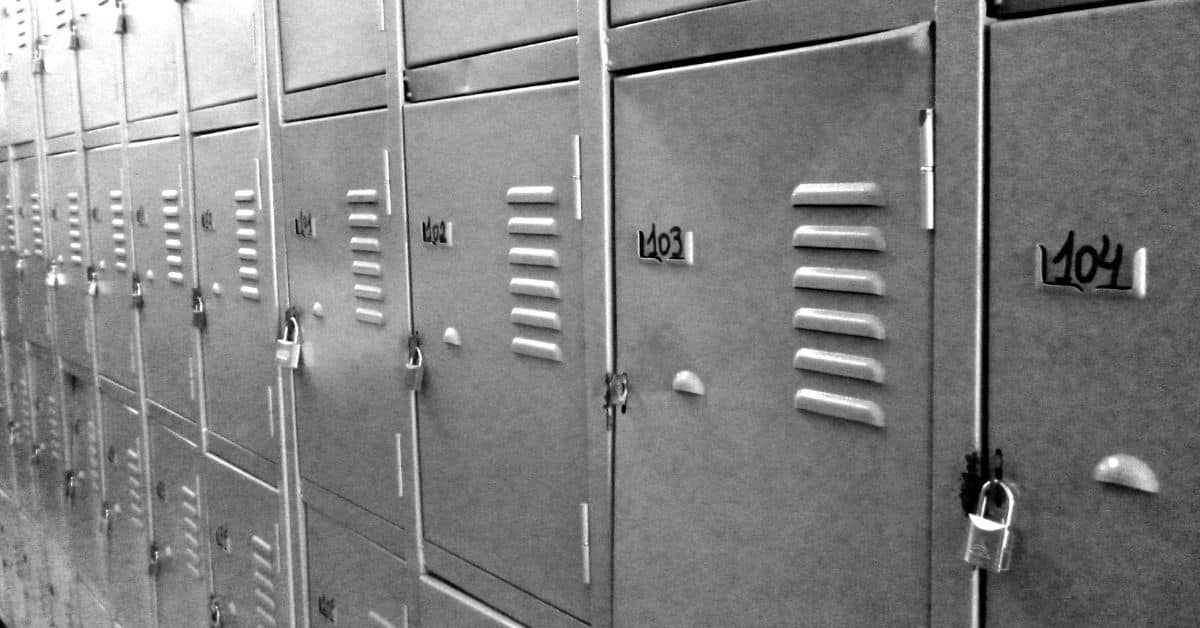
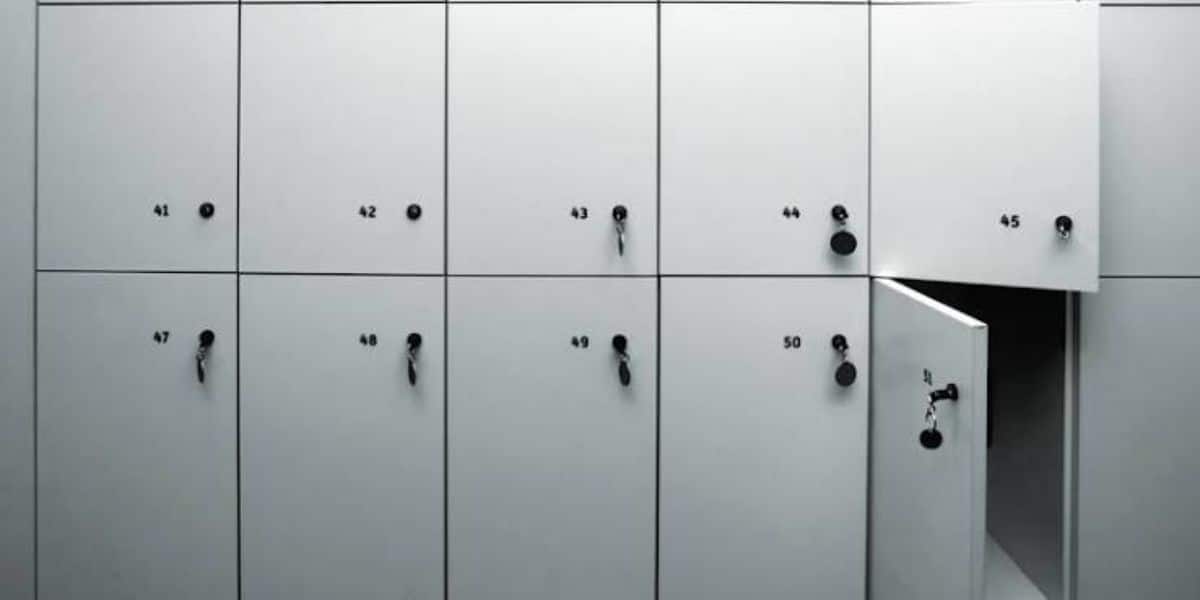
When it comes to outfitting a school with lockers, it’s not as simple as picking a few off the shelf. A school locker purchase is an investment that requires careful consideration, especially since lockers play a critical role in both the functionality and safety of students and staff. Whether you’re purchasing for a new school building, replacing outdated units, or expanding locker space for your growing student body, there are several factors to keep in mind to ensure you make the right choice. Here are some essential tips to help guide your decision-making process when buying school lockers.

The first step to buying school lockers is to assess your school’s specific needs. The size, type, and number of lockers required will depend on the size of your student population, the available space, and how you plan to use the lockers.
School lockers come in a variety of materials, and selecting the right one is essential for durability and safety. Some common materials for school lockers include:
Choosing the right material will depend on your school’s aesthetic preferences and budget, as well as the level of durability needed to withstand the rigors of daily use.
Security is a top priority when purchasing school lockers. The security of students’ personal belongings must be assured, and lockers should be able to withstand tampering and theft. Here are some security features to consider:
When selecting school lockers, you’ll also want to think about the design and layout. Locker design can affect not just the lockers’ functionality but also the overall aesthetics of your school environment.
A well-designed locker area will contribute to your school’s aesthetic and functionality, so make sure you choose lockers that suit the overall design and needs of your school.
When investing in school lockers, durability is a key consideration. You don’t want to be constantly replacing lockers due to damage, so make sure to buy high-quality lockers that can stand up to years of wear.
Check the warranty offered by the manufacturer to ensure that you are protected in case of defects or issues with the lockers. A solid warranty can provide peace of mind, especially if you are buying in bulk. Look for warranties that cover defects in material and workmanship for several years.
Installing school lockers can be a labor-intensive process, so it’s important to choose lockers that are easy to install and maintain. Some manufacturers offer installation services, which can help save time and ensure that lockers are properly installed.
In addition to installation, regular maintenance is important to keep your lockers in good working condition. Choose lockers that are easy to clean and maintain, with features like smooth finishes and rust-resistant coatings to make upkeep easier.
If your school includes students with physical disabilities, it’s important to choose lockers that are accessible. ADA-compliant lockers are designed to be accessible to students with mobility impairments, ensuring that everyone has equal access to locker storage. Look for lockers that can be positioned at different heights or have wider doors for easier access.
Finally, it’s crucial to establish a clear budget for your locker purchase. School lockers are a significant investment, and while it may be tempting to go with cheaper options, quality and durability should always be prioritized. Make sure to factor in not only the cost of the lockers but also any additional costs such as installation, shipping, and potential customization.
Choosing the right school lockers requires thoughtful consideration and planning. By assessing your school’s needs, choosing the right materials, focusing on security and durability, and planning for future growth, you can ensure that your locker purchase will provide long-lasting value to your school and its students.