

Ask ten facility managers what they want from athletic lockers, and you will hear ten slightly different answers. A high school athletic director wants storage that survives cleats, wet uniforms, and a few thousand slammed doors each season. A fitness club owner wants something members find clean and easy to use. A recreation department wants lockers that hold up with minimal maintenance. The good news is that one product category can serve all of them, as long as you know what to look for before you order.
This buying guide breaks down what makes a locker athletic, which types are available, how to size units for real gear, and what to expect on price and delivery. If you are planning a new locker room or replacing worn-out units, it should save you from a few expensive mistakes.
The phrase gets used loosely, so it helps to define it. An athletic locker is a storage unit designed for people who change clothes, carry sports equipment, and leave damp items inside. That purpose shapes everything about the design.
Compared with a standard office or hallway locker, athletic lockers tend to be taller, deeper, and better ventilated. Doors often include louvers or perforations so air can circulate. Frames are built to handle heavy daily use, and hardware is selected to survive repeated slamming. Many models include a shelf above the hanging rod, hooks inside the door, and a sloped top that stops people from piling bags on top.
In short, an athletic locker assumes that the contents are bulky, sweaty, and hard on the structure. Buying a standard locker for this purpose usually leads to odor complaints, bent doors, and early replacement.
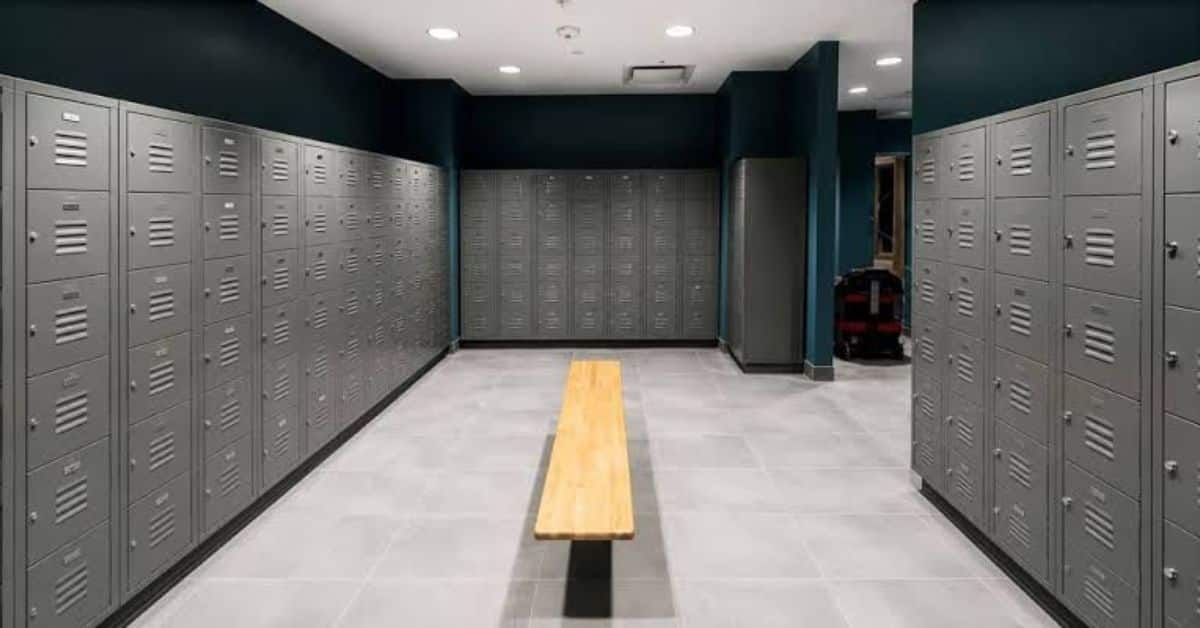
Not every athletic locker looks the same, and each style suits a different space. Understanding the options makes your shopping list much shorter.
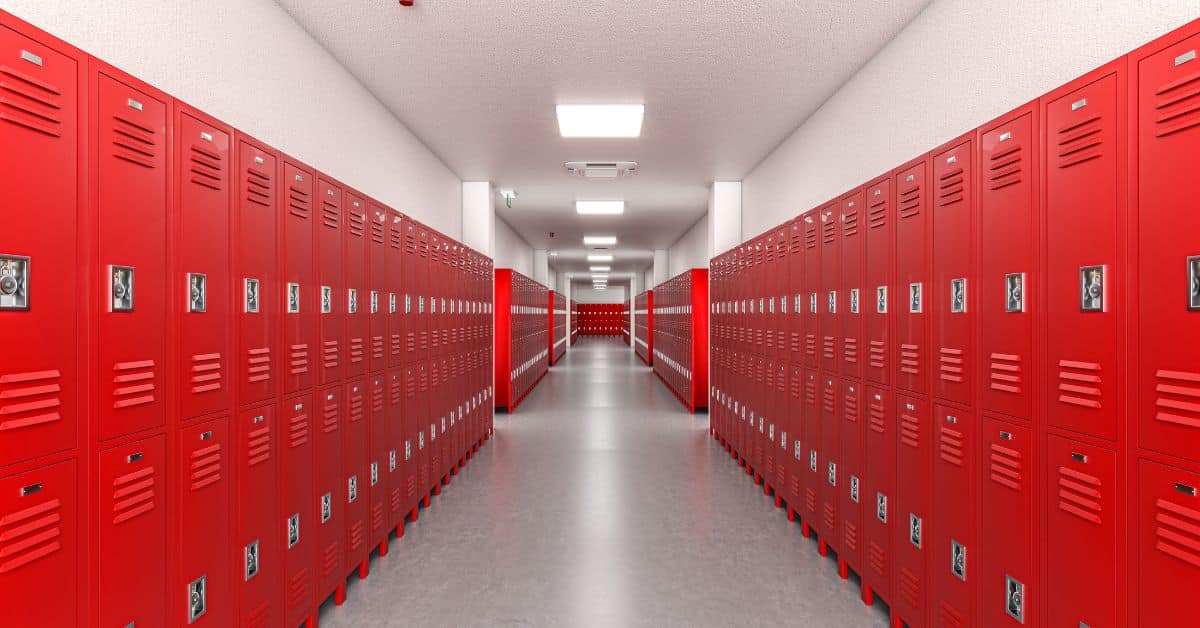
Single-tier lockers give each person one full-height compartment. They are the classic choice for team rooms and gyms because they handle jackets, shoes, bags, and gear together.
Double-tier and triple-tier lockers stack two or three smaller compartments in the same footprint. They fit more users into limited space and work well for day use, quick changes, and facilities with high turnover.
Open front and stadium style units skip the closed door and use a wide open cubicle, often with a bench and shelf. These are popular in team rooms where quick access matters and gear needs to air out between sessions.
Box lockers and cubbies are smaller compartments for items like phones, wallets, and small bags. They are common in pool areas, youth programs, and spots where full lockers would be overkill.
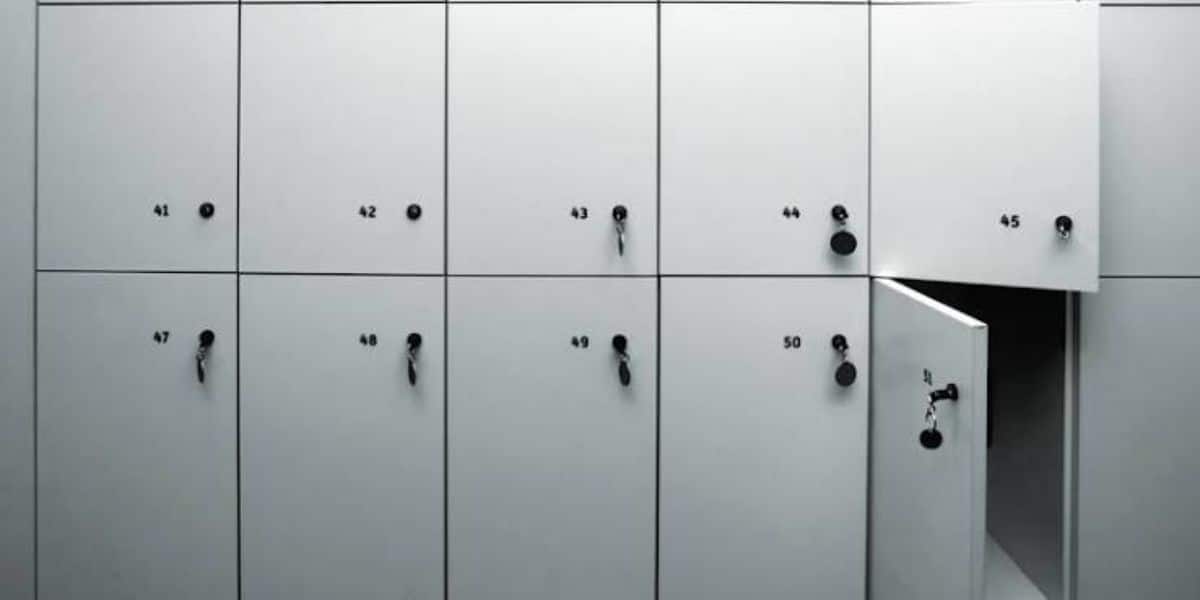
Plastic and phenolic lockers resist moisture and corrosion, which makes them a smart pick near pools, saunas, and shower areas.
If you plan to equip a team space, this guide to sports lockers for a team or gym goes deeper on matching styles to rosters.
Sizing mistakes are the most common regret among first-time buyers. Lockers that look generous in a catalog can feel tiny once you add shoulder pads, a helmet, a pair of cleats, and a wet towel.
Start with the largest item a user will store. Football and hockey equipment need much more room than basketball or track gear. Measure the typical bag, not just a folded shirt. Then consider height, width, and depth separately.
For general fitness use, a locker around twelve inches wide, eighteen inches deep, and sixty to seventy-two inches tall handles most needs. Team sports with heavy equipment often require fifteen to twenty-four inches in width and extra depth. If users need to hang long garments, confirm that the interior height allows it without wrinkling.
Do not forget about the room itself. Aisles should be wide enough for people to open doors and change without collisions. A good rule is to leave at least three to four feet between facing rows, and more if benches will sit in between.
Material choice affects lifespan, maintenance, and appearance.
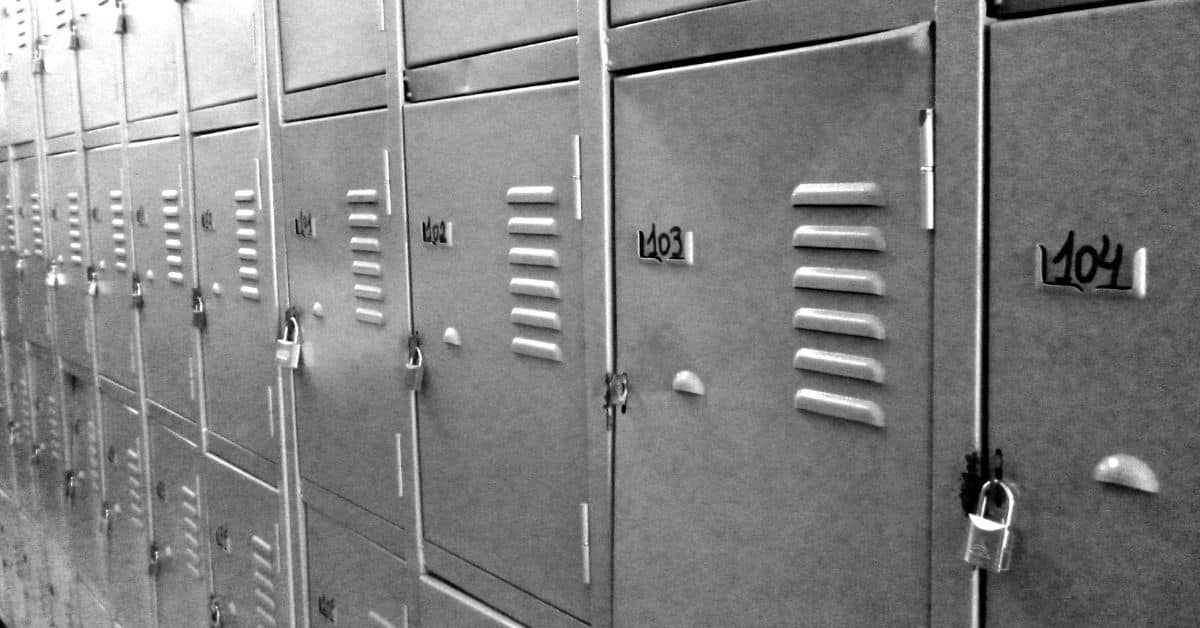
Steel remains the most popular option. It handles impact, holds locks securely, and is repairable if a door gets bent. Anyone interested in this route can read more about metal athletic lockers and steel construction before requesting quotes. Powder coat finishes resist chipping and come in many colors.
Plastic lockers shine in wet environments. They never rust, do not need painting, and stand up to constant humidity. They also tend to be quieter when doors close, which many facilities appreciate.
Wood or wood-look lockers bring warmth to upscale clubs, university programs, and locker rooms that double as lounge space. Most use a durable veneer over a steel frame so you get appearance without the maintenance of solid wood.
Many buyers combine materials. Steel for team rooms, plastic near the pool, and wood in premium areas is a common and sensible mix.
Great lockers can still frustrate people if the room around them is poorly planned. Think about how users move. They enter, drop bags, change, store belongings, and leave for activity. After the workout they reverse the process, often all at once.
A thoughtful layout keeps entry paths clear of benches and gives each group its own zone. Designers often separate wet and dry areas, place benches between rows, and add hooks or shelves near the entrance for items that do not need a full locker. For more on this, see this guide to designing functional athletic locker rooms.
Lighting and ventilation also matter. Bright, well-lit rooms feel cleaner and safer, and strong airflow keeps odors from building up in the lockers. If your space has windows or exhaust fans, plan locker placement so they can do their job.
Small details make a big difference over years of use. When you compare quotes, look beyond the headline price and check for these features.
Welded frames hold their shape better than riveted construction. Reinforced hinges resist sagging. Recessed or protected latches reduce the chance of damage. Interior hooks and shelves raise everyday usefulness. Ventilation keeps contents fresh. Number plates and ID holders help with assignments. Lock options such as built-in combination locks, padlock hasps, or electronic systems let you match security to your needs.
Security deserves a closer look. Members and athletes store phones, wallets, and keys, so reliable locking builds trust. This overview of how athletic lockers improve security and member experience explains why it pays to invest in hardware.
Standard sizes work for many facilities, but custom athletic lockers can solve awkward layouts and branding needs. Custom options may include special dimensions, team colors, logos, and unique interior fittings. If your room has odd angles, columns, or low ceilings, custom lockers can fill the space more efficiently than off-the-shelf units.
Durability is the other half of the equation. Facilities that expect heavy impact, rough handling, or very long service lives should read up on durable athletic lockers built for high-impact use, so they know which construction details to request.
Prices vary widely based on size, material, finish, and quantity. Entry-level steel lockers cost less than premium plastic or wood units. Custom colors, logos, and special sizes add cost and lead time. Ordering in bulk usually reduces the cost per unit, and some suppliers also offer quality used athletic lockers for buyers on a tight budget.
Lead times depend on stock and customization. Standard units may ship within a few weeks, while custom orders can take longer. If you have a hard deadline, such as a season opener, tell your supplier early and build in a buffer for delivery and installation.
Ask what is included in the quote. Delivery, installation, locks, and accessories are sometimes priced separately, and the difference can add up.
The best supplier is one who asks questions before quoting. They should want to know how many users you have, what they store, how the room is laid out, and when you need the project finished. Lockers Unlimited works with gyms, schools, clubs, and businesses on exactly these kinds of questions, and can recommend styles that fit your use instead of pushing a single product.
When you are ready to compare options side by side, browsing the full selection of athletic lockers is a practical first step before you ask for a formal quote.
Athletic lockers are an investment in how people experience your facility every day. Choose a type that matches your gear and your traffic, size units for real equipment, pick materials that suit your environment, and plan the room as carefully as the lockers themselves. Do that, and your lockers will serve users well for many years.
1. What is the difference between athletic lockers and regular lockers?
Athletic lockers are usually taller, deeper, and better ventilated. They are built to hold bulky gear and damp clothing, with reinforced frames and hardware designed for heavy, repeated daily use.
2. What size athletic locker should I buy for a team?
Most teams need lockers fifteen to twenty-four inches wide and at least eighteen inches deep. Football and hockey programs may need extra width and height for pads and helmets.
3. Are metal athletic lockers better than plastic ones?
Neither is better everywhere. Metal handles impact and security well, while plastic resists moisture and corrosion. Many facilities use steel in dry rooms and plastic near pools or showers.
4. Can I get custom athletic lockers in team colors?
Yes, many suppliers offer custom powder coat colors, logos, and special dimensions. Custom orders usually cost more and take longer, so plan before your season begins.
5. How long do athletic lockers last?
Well-built steel athletic lockers often last fifteen to twenty-five years with routine care. Lifespan depends on material, hardware quality, moisture exposure, and how consistently the facility maintains them.