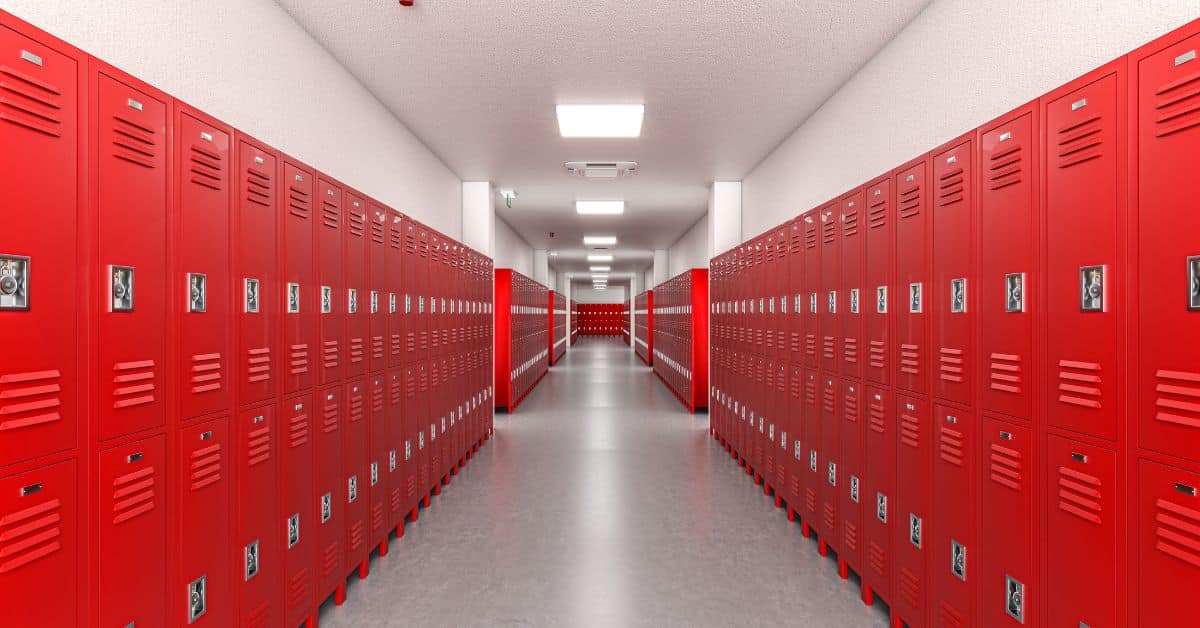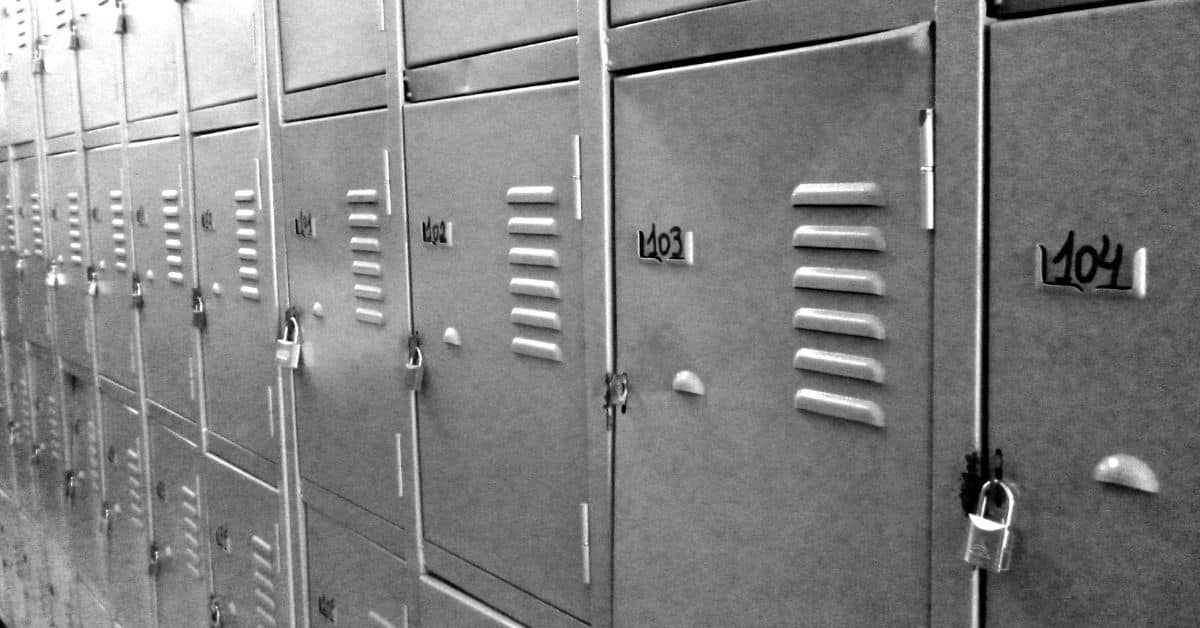

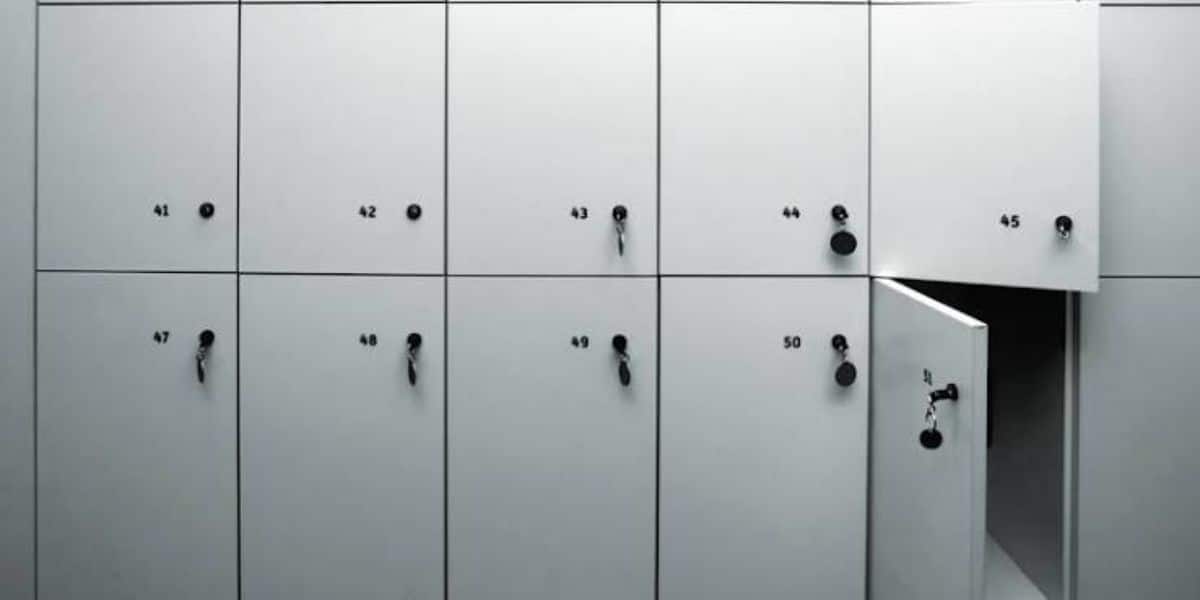
Walk into a locker room before a big game and you can feel the energy. Players tape ankles, check equipment, and settle into the routine that gets them ready. Where each athlete does that matters more than most people realize. Team lockers are not just storage. They are the home base for a player’s gear, focus, and sense of belonging.
If you manage a school program, a club, a recreation department, or a training facility, choosing the right team lockers shapes how the whole space works. This guide explains how to plan a layout, which designs fit different sports, and how to keep a team locker project on budget.
A locker in an office hallway holds a coat and a lunch. A team locker holds pads, helmets, cleats, uniforms, wet towels, and a bag that may weigh thirty pounds. The contents are bulky, often damp, and hard on the structure. Those realities change what a good product looks like.
Team lockers usually offer extra height and depth, strong ventilation, and hardware that survives daily abuse, which is why many programs start with durable athletic lockers. They also need to work for a group. A roster is a unit, so the room should feel organized and consistent. When every player has the same size space and clear numbering, the locker room runs smoothly and conflicts over storage stay rare.
There is a morale side as well. Athletes who receive a clean, well-built locker with their name or number on it feel valued. Coaches often say that a respected locker room builds respect for the program.
Start with a head count, then think about the shape of the team. A football program with eighty players has very different needs from a volleyball squad of fourteen. Add substitutes, practice squad members, managers, and coaches, and the numbers grow quickly.
Group lockers by position or unit when possible. Offensive linemen can sit together, as can goalies, pitchers, or relay teams. This helps coaches communicate and keeps equipment organized. Leave a few extra lockers for injuries, transfers, and midseason additions so you are never scrambling.
Aisle width deserves attention, and good locker room design starts there. When thirty athletes change at once, tight rows cause bottlenecks and frustration. Plan at least four feet between facing rows, and more if benches will sit in the middle. Benches placed between lockers give players a spot to tape, tie shoes, and talk through the day. For ideas, this guide on locker room benches for gyms and sports halls explains how bench placement affects traffic.
Team lockers come in several styles, and the right one depends on the sport and the culture of the program.
Open front or stadium style lockers have no door. Players hang gear in a wide cubicle with a shelf, hooks, and often a built-in seat. They are popular in college and professional-style facilities because gear airs out quickly and players can grab equipment without fumbling with latches. They also look impressive, which matters for recruiting. Learn more in this overview of why stadium lockers suit arenas and sports facilities.
Closed door lockers offer more security and privacy. They suit schools, community programs, and facilities where players store phones, wallets, and valuables. Louvered or perforated doors keep air moving.
Hybrid setups combine both. A program might use open front cubicles for equipment and a smaller secure locker for valuables. This gives athletes quick access to gear and peace of mind for personal items.
Think about how the room will be used outside practice. If rival teams, visiting clubs, or youth camps use the space, closed-door lockers protect belongings from mix-ups.
Few problems turn a locker room sour faster than moisture and odor. Wet pads, damp jerseys, and muddy cleats can turn any enclosed space into a hazard within days.
Ventilation is the first line of defense. Choose lockers with louvers, perforations, or open designs, and make sure the room itself has strong airflow. Some programs add dedicated drying racks or built-in boot dryers to speed things up. Elevated lockers with open bases help air circulate and make mopping easier.
Material matters too. Powder-coated steel resists corrosion and wipes clean, while plastic and phenolic units shrug off constant humidity. Keep spare hooks and shelves available so players can hang damp items instead of stuffing them into corners.
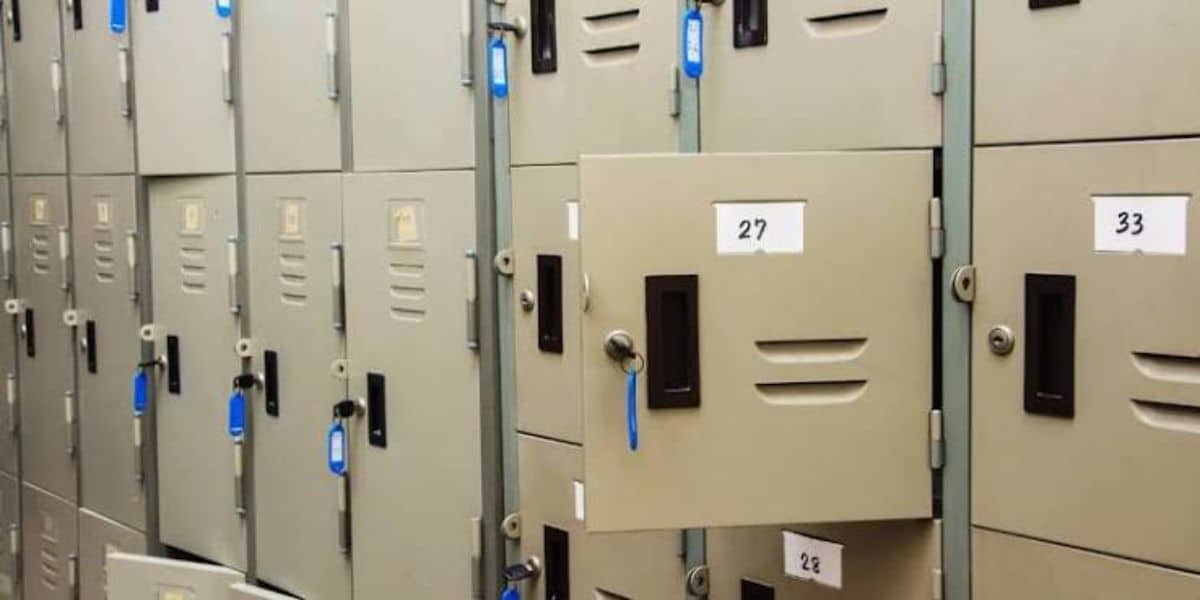
Set simple rules. Many coaches require players to empty gear bags after every practice and take uniforms home for washing on a regular schedule. A little discipline keeps the room fresh and lockers in better shape.
One of the best features of team lockers is how easily they can reflect identity. Custom colors, logos, number plates, and name tags turn a plain locker into something athletes want to protect.
Many programs match locker finishes to school or team colors and add a logo panel or banner above each bank. Nameplates and jersey numbers help new players learn the roster, and engraved plates can honor captains or graduating seniors. If your layout has awkward spaces, custom sports lockers can be built to fit unusual dimensions while still carrying your branding.
Think about the visitor experience as well. Recruits, parents, and visiting teams often tour the locker room. A polished space leaves a strong impression and signals that the program takes its athletes seriously.
Players are not the only people who need storage. Coaches, trainers, and equipment managers need secure lockers for clipboards, medical supplies, and personal items. Giving staff their own lockers keeps team storage uncluttered and protects sensitive materials.
Visiting teams are another consideration. Facilities that host tournaments or road games often set aside a bank of lockers for guests. Simple combination locks or temporary tags make these easy to manage.
Smart locking can simplify all of this. Electronic systems let administrators reassign lockers instantly, track usage, and avoid lost key headaches. To explore your options, take a look at these smart locker solutions for gyms, schools and offices.
A team locker room works hard for nine or ten months, so the off-season is the right time to inspect everything. Walk each row and check hinges, latches, shelves, and benches. Tighten loose bolts, replace worn hooks, and touch up chipped paint before bare steel starts to rust. Confirm that anchors are still secure, since heavy equipment and constant movement can loosen fasteners over time.
Safety deserves attention too. Rounded corners, smooth edges, and slip-resistant flooring reduce injuries in a room full of athletes carrying heavy bags. Keep aisles free of loose gear, and make sure emergency exits are never blocked by benches or equipment carts.
Finally, plan a deep clean each summer. Empty every locker, vacuum interiors, and wipe surfaces with a mild disinfectant. A short cleaning routine at the end of each season keeps lockers fresh for the next group of players and extends their working life by years.
Cost depends on size, material, finish, and quantity. Open front stadium units usually cost more than basic closed door lockers, while standard steel lockers offer the lowest price per player. Custom branding adds cost, but many programs consider it worthwhile.
If the full project does not fit this year’s budget, phase it. Many schools start with the largest or most visible team, then add others over several seasons. Booster clubs, alumni donors, and sponsors often help fund locker upgrades, especially when naming opportunities are available.
Ask suppliers about delivery and installation as well. Heavy lockers need proper anchoring, and a professional installation crew can finish the work between seasons so your athletes return to a finished room. Gather quotes early, because custom orders can take several weeks to produce.
The right supplier listens before quoting. They should ask about your sport, roster size, room dimensions, and timeline, then recommend lockers that fit rather than pushing a standard catalog item. Lockers Unlimited works with schools, clubs, gyms, and sports facilities on projects like this, and can help you balance durability, appearance, and budget.
When you are ready to compare styles and finishes, browse the full range of team lockers and request a quote based on your actual roster and room layout.
Team lockers do more than hold gear. They organize your roster, protect equipment, and show athletes they are part of something worth taking seriously. Plan the layout around real numbers, choose a design that fits your sport, keep airflow strong, and add personal touches that build pride. The result is a locker room that works hard all season and looks good while it does.
1. How many team lockers does a sports program need?
Count every player, then add extra lockers for staff, substitutes, and midseason additions. Most programs plan five to ten percent above the current roster so growth never creates a shortage.
2. What type of team lockers are best for football?
Football programs usually choose wide, deep lockers or open front stadium units. They handle pads and helmets, allow quick drying, and give players fast access to equipment on game days.
3. Should team lockers have doors or be open front?
Open-front lockers air out gear quickly and look impressive, while doors add security for valuables. Many programs combine open cubicles for equipment with secure lockers for phones and wallets.
4. Can team lockers be customized with school colors and logos?
Yes, most suppliers offer custom colors, logos, number plates, and name tags. Custom orders take longer, so schedule them well before the season starts to avoid delays.
5. How do you keep team lockers from smelling?
Choose ventilated or open lockers, keep room airflow strong, and require players to empty bags after practice. Drying racks and regular cleaning help prevent odor from building up over time.