
You’ve worked hard for your jewelry, heirlooms, and important documents. Leaving them in a drawer or a shoebox under the bed isn’t really a plan – it’s just hoping for the best. That’s where home lockers come in. A dedicated locker gives you a proper, secure spot for everything that truly matters, and there are far more options available today than most people realize. Whether you’re protecting a diamond necklace, a collection of watches, or a stack of passports and birth certificates, this guide will walk you through what to look for and which types work best.
Most people assume a home locker means a heavy safe bolted to the floor. That’s one option, but it’s not the only one. Modern home lockers come in all shapes – wall-mounted units, under-bed drawers, compact desktop vaults, and full-height freestanding cabinets. The right choice depends on what you’re storing and how you want to access it.
The core benefit of any good home locker is simple: your valuables stay put even if someone breaks in. A determined thief with time on their hands is one thing, but the majority of residential break-ins are opportunistic and fast. A locker that can’t be quickly pried open or carried away does its job. Beyond security, a quality locker keeps jewelry organized, prevents tangling, and protects pieces from humidity and dust.
Before you start shopping, spend a few minutes thinking about storage lockers for home that match your actual lifestyle. Someone who accesses their jewelry daily has different needs than someone storing a grandmother’s pearls that only come out at holidays. Get that sorted first and the rest of the decision gets a lot easier.
Compact Personal Vaults
These are the most popular entry point. A compact vault – usually between 0.5 and 2 cubic feet – fits in a closet shelf, under a desk, or inside a larger cabinet. Most run on a digital keypad or biometric fingerprint reader, which means no fumbling for keys at 7 a.m. They’re good for rings, earrings, necklaces, watches, passports, and USB drives with important files.
Look for a unit with a pry-resistant door and a heavy steel body. Some cheaper models use thin sheet metal that can be cut or bent without much effort. A weight of at least 20–30 lbs for a compact unit usually signals decent construction.
Wall-Mounted Lockers
If you want something that can’t be grabbed and walked out the door, a wall-mounted locker is worth considering. These bolt directly into wall studs and are often disguised behind mirrors or pictures. They’re ideal for jewelry, small firearms (with proper accessories), and documents. The trade-off is installation – you’ll want to mount it properly or hire someone to do it right.
Understanding the right locker security features before you buy is genuinely useful here, especially for wall units where the mounting hardware is as important as the lock itself.
Jewelry-Specific Lockers
These are designed with velvet-lined drawers, ring rolls, earring boards, and necklace hooks built in. Some have combination or keyed locks; others are more decorative than security-focused. If you want something that doubles as furniture – sitting on a vanity or in a walk-in closet – a jewelry-specific locker does that well. Just know that most aren’t rated for fire or serious forced entry. They’re better for casual security and organization than serious protection.
Full-Height Personal Lockers
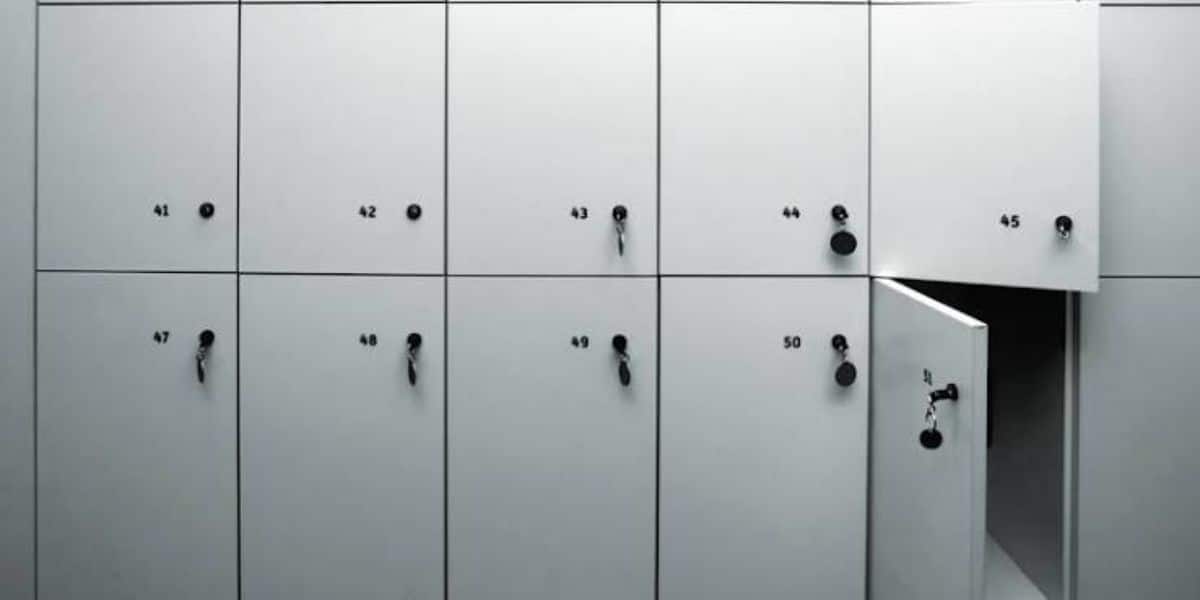
Less common in residential settings but growing in popularity, especially for people with large collections or multiple family members sharing storage. A full-height locker works well in a master closet, mudroom, or home office. If you’re going this route, looking into custom storage lockers built for specific room dimensions and aesthetic requirements makes a real difference
Lock Type
Your three main options are keyed, combination dial, and electronic (keypad or biometric). Keys can be copied or lost. Combination dials are reliable but slow if you need quick access. Electronic locks are fast and convenient, but they need batteries – keep a spare set nearby. Biometric fingerprint locks are excellent for daily-use jewelry but can occasionally misread in low light or if your fingers are wet.
Fire and Water Resistance
If you’re storing paper documents, original certificates, or photos alongside jewelry, fire resistance matters. Look for a UL-rated fire safe that can withstand at least 350°F for 30 minutes – that’s the temperature threshold for paper to ignite. Water resistance is also worth checking if you live somewhere prone to flooding.
Interior Organization
A plain box works fine for documents, but for jewelry you really want proper compartmentalization. Drawers that separate rings from chains, hooks for necklaces, and padded surfaces that won’t scratch gemstones or metal all matter if you’re opening the locker regularly.
Different valuables have different requirements, and that’s something a lot of buyers overlook when comparing specs.
Watches, for example, do best in low-humidity environments. Some dedicated watch lockers include automatic winders, which keep mechanical watches running when they’re not being worn. Jewelry with pearls or soft stones benefits from slightly more humidity than metals alone. Documents and cash need dry storage above everything else.
At Lockers Unlimited, the product range reflects how varied these needs really are – from compact everyday-access vaults to heavy-duty units designed for serious collections.
The good news is that understanding lockers for home organization helps you plan your storage the right way from the start rather than buying the wrong unit and needing to replace it.
A few things trip up first-time buyers. Here’s what to watch for:
Buying purely on price. The cheapest lockers save money upfront but often use low-grade steel, flimsy hinges, and locks that can be bypassed with a magnet. If you’re storing anything with real monetary or sentimental value, a mid-range or premium unit is the right call.
Ignoring installation requirements. A freestanding locker that isn’t anchored can be tipped, dragged, or carried. Most quality home lockers come with anchor bolts and floor-mounting hardware – use them.
Overlooking accessibility. A locker that’s a pain to open discourages daily use, meaning you end up leaving jewelry on the bathroom counter anyway. Think about how often you’ll access it and choose a locking mechanism that fits that rhythm.
Forgetting about backup access. Electronic locks can fail. Always choose a model that includes a physical key override and store that key somewhere safe – not in the same room as the locker.
When choosing a home locker, running through a checklist of these practical questions before purchasing saves a lot of frustration after the fact.
Once you’ve chosen the right unit, installation matters almost as much as the locker itself.
For compact desktop or shelf vaults, use the cable or anchor kit if one is included. A cable tethered to a fixed point – pipe, stud, or heavy furniture – makes it significantly harder for someone to grab and run.
For wall-mounted units, locate studs before drilling and use hardware rated for the locker’s weight plus its full contents. A half-full jewelry locker can weigh 30–40 lbs easily.
For freestanding units, bolt them to the floor or wall using the pre-drilled holes most units include. It takes 20 minutes and changes the security profile of the whole installation.
Think of the locker as just one part of your home security system. Combined with good door locks, adequate lighting, and awareness of who has access to your home, it’s a genuinely strong layer of protection.
A quality home locker isn’t a luxury purchase – it’s a practical one. Jewelry gets damaged, documents get lost, and things go missing in ways that aren’t always dramatic. A proper locker gives you organized, protected storage that you can rely on every day. Start with your most valuable or irreplaceable items, find the right fit for your space, and you’ll wonder why you waited this long to set one up.
For most people, a compact vault between 0.5 and 1.5 cubic feet is plenty for everyday jewelry, a couple of watches, and small documents. If you have a larger collection or want to add compartmentalized drawers for organization, a mid-size unit between 1.5 and 3 cubic feet gives you the room to grow without taking over a closet shelf.
Modern biometric locks from reputable brands are very reliable under normal conditions. The main failure points are wet or dirty fingers, extreme cold, and low batteries – all easily managed. Always choose a model with a key override backup in case the biometric reader fails or you need to grant access to someone else quickly.
Only lockers specifically rated as fire safes protect against fire. Standard personal vaults and jewelry lockers offer no fire protection. If documents, paper records, or irreplaceable photos are part of what you’re storing, look for a unit with a UL fire rating of at least 350°F for 30 minutes.
Most compact and medium-size home lockers are designed for DIY installation. Freestanding units need only to be anchored to the floor or wall using basic hardware. Wall-mounted lockers require locating studs and drilling correctly, which most homeowners can handle with a stud finder and a drill. Very large or extremely heavy units may benefit from a second pair of hands.
The master closet is the most popular location – it’s out of sight, accessible, and usually away from main entry points. Avoid the master bedroom nightstand area, which is the first place most intruders check. A wall-mounted unit hidden behind artwork or a mirror in a less obvious room is also a solid option for deterring quick searches.
Choose a locker with a velvet-lined or soft-fabric interior, or add separate compartmentalized jewelry trays inside a plain vault. Store necklaces hanging on hooks rather than coiled to prevent tangling and scratching. Rings and earrings do best in individual padded slots rather than sitting loose together.