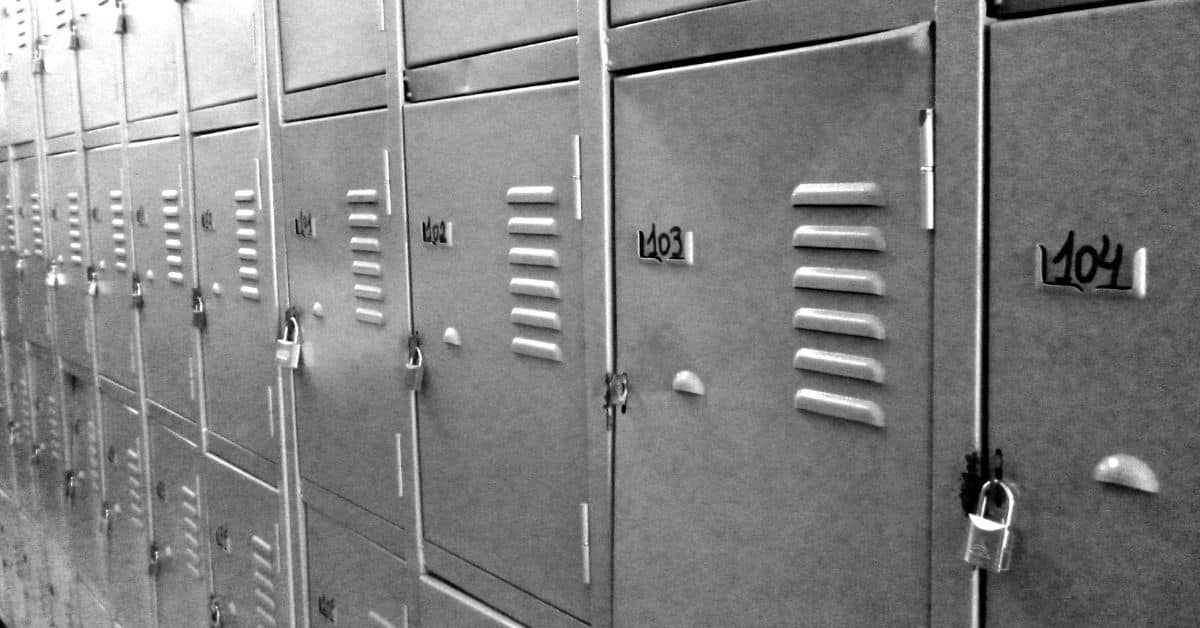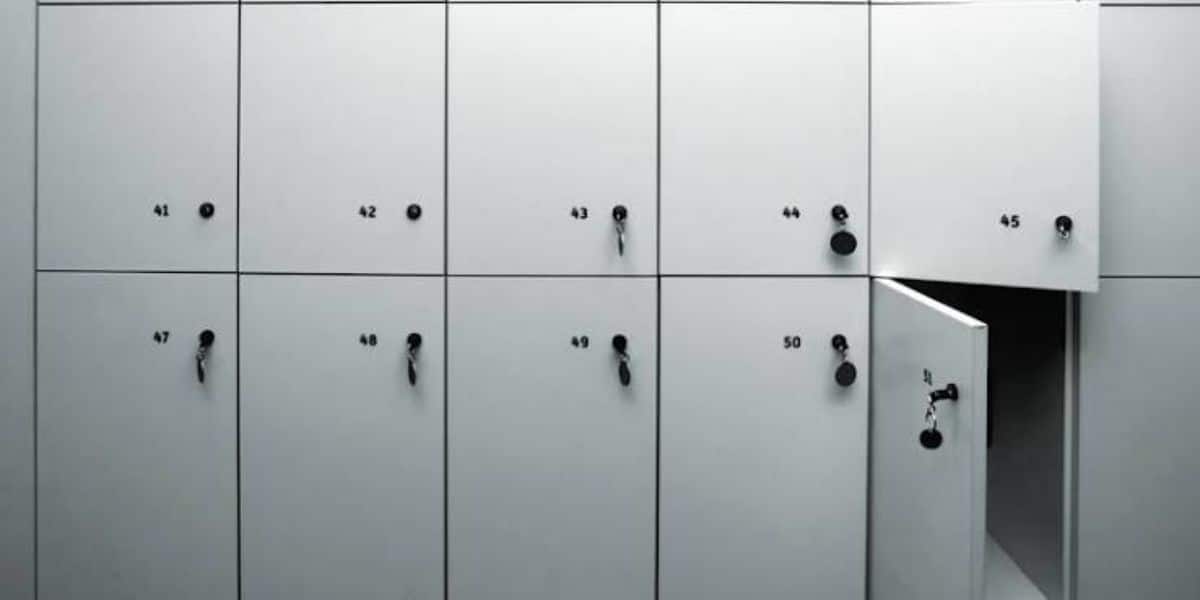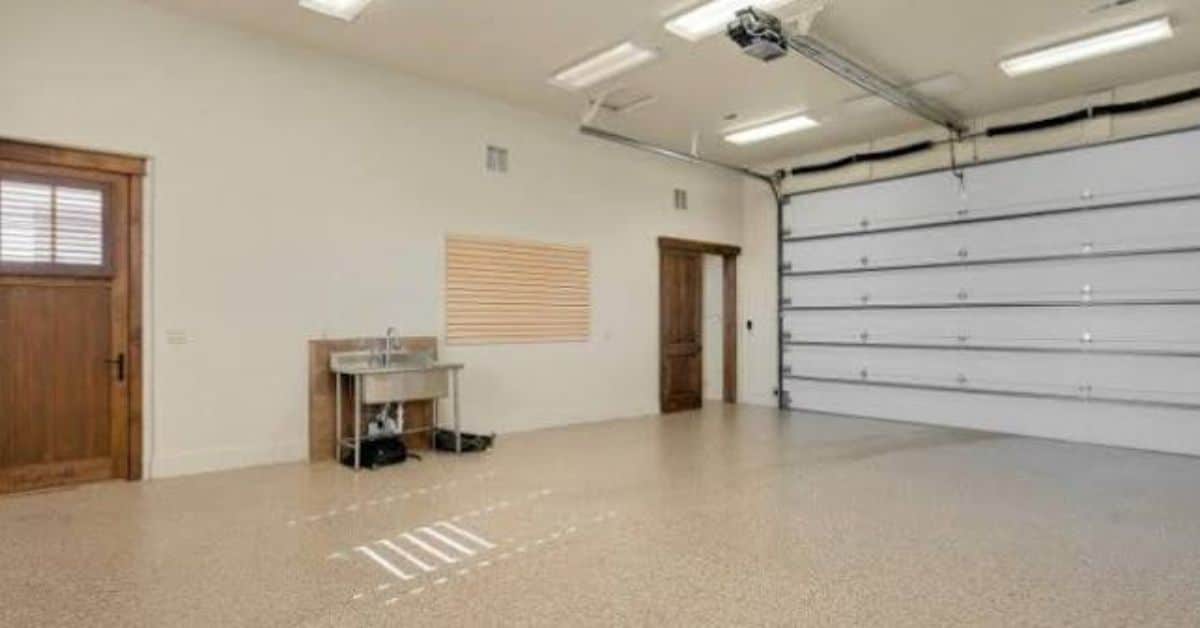
Most garages start organized and slowly turn into overflow storage for everything that does not have a home inside the house. Garage lockers solve that slide back into chaos by giving tools, sports gear, and seasonal items an actual designated spot instead of a pile on the floor. Unlike open shelving, lockers keep contents out of sight, protected from dust, and secured behind a door that closes.
Homeowners who have tried open shelving units first often end up replacing them a year later once the shelves turn into a dumping ground rather than an organized system. This guide covers what to look for in garage lockers, how they compare to open shelving and metal cabinets, roughly what to budget, and how to plan a layout that actually gets used instead of ignored after the first month.
Open shelving looks organized in photos and turns into visual clutter within weeks in real garages. Garage lockers solve that problem by hiding contents behind closed doors, which keeps the space looking clean even when what is inside is not perfectly arranged.
Closed storage also protects tools and gear from dust, garage humidity, and the occasional rodent problem that open shelving cannot prevent. For anything you care about keeping in good condition long term, a locker with a door is simply the better option.
Resale value is another factor homeowners often overlook. A garage with a clean, enclosed storage system tends to show better to potential buyers than one with visible clutter on open shelves, which can make garage lockers a small but worthwhile investment even beyond day-to-day convenience.
A single row of lockers rarely solves the whole problem on its own. Combining lockers with wall-mounted hooks for bikes and ladders, plus overhead storage for seasonal bins, creates a complete system rather than one storage type doing all the work.
Thinking through garage storage solutions as a full system rather than a single purchase tends to produce a layout that actually gets maintained instead of falling back into clutter within a season.
A full system also makes better use of vertical space that a single row of floor-standing lockers cannot reach on its own, turning wasted wall and ceiling area into genuinely useful storage instead of empty space above the cars.
Cabinets and lockers overlap in function but differ in access. Cabinets typically open with wide swinging doors and fixed shelving, which works well for bulky items like power tools. Lockers usually offer a narrower footprint with hanging space or adjustable shelving, better suited for gear that needs to hang, like jackets, helmets, or sports equipment.
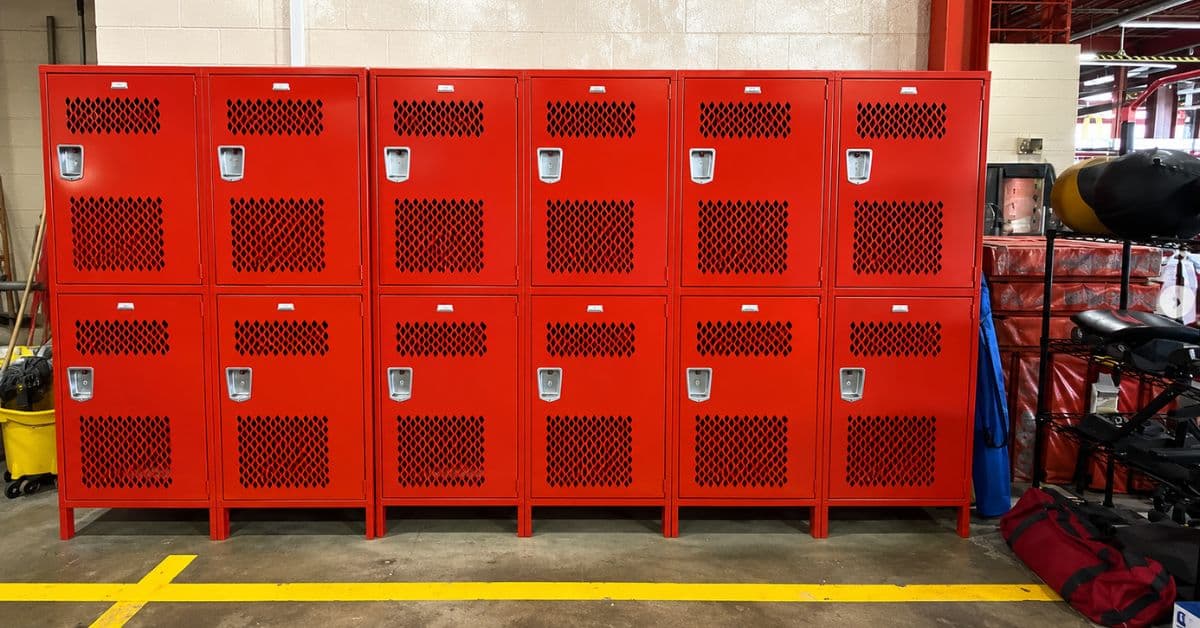
Metal garage cabinets handle bulk tool storage while a bank of lockers manages gear that individual family members need quick access to without digging through a shared cabinet.
A mixed setup also scales better as needs change. Adding an extra locker for a new hobby or a growing child is far simpler than reconfiguring a large fixed cabinet, which tends to be a one-time purchase built around whatever the garage needed at the time it was installed.
Check the gauge of the metal or the grade of plastic, since garages see temperature swings that cheaper materials do not always handle well over time. Ventilation matters too if you plan to store damp gear like cleats or wetsuits.
Lock type is worth considering if the garage doubles as a shared space with kids or roommates. A complete garage locker lineup covering organization ideas is a useful reference before finalizing how many units and what configuration your space actually needs.
Depth matters more in garages than most people expect, since sports equipment, tool boxes, and seasonal decorations rarely fit neatly into a shallow locker designed for jackets and small bags. Measuring your largest items before ordering avoids the frustration of a locker that looks great but cannot hold what you actually own.
Pricing depends heavily on size, material, and how many units you need, but most homeowners can outfit a two or three car garage with a functional locker bank for a moderate investment compared to a full custom garage renovation. Metal units generally cost less than premium finished cabinetry while offering comparable durability for everyday tool and gear storage.
Buying in a set rather than piecing together mismatched units individually also tends to reduce cost per locker, since most suppliers offer better pricing on multi unit orders than single piece purchases.
Measure your garage before you order anything, accounting for car clearance, walkways, and the swing radius of both the garage door and the locker doors themselves. A layout that blocks easy access to a vehicle will get abandoned within weeks no matter how nice the lockers look.
Assign each locker to a category: sports gear, tools, seasonal items, rather than leaving them general purpose. Specific assignments are what actually keep a garage organized long after the initial setup, and it is a detail Lockers Unlimited recommends to every customer planning a new layout, since a locker without a clear purpose tends to fill up with whatever is closest at hand rather than what it was actually meant to hold.
Leaving a small amount of extra space in the layout also pays off later, since most households end up adding gear over time rather than reducing it. A layout with no room to grow tends to force clutter right back onto the floor within a year or two.
Garage lockers work best as part of a planned system rather than a single impulse purchase. Take the time to measure your space, set a realistic budget, and assign a purpose to each unit, and the organization will actually stick long after the new locker smell wears off.