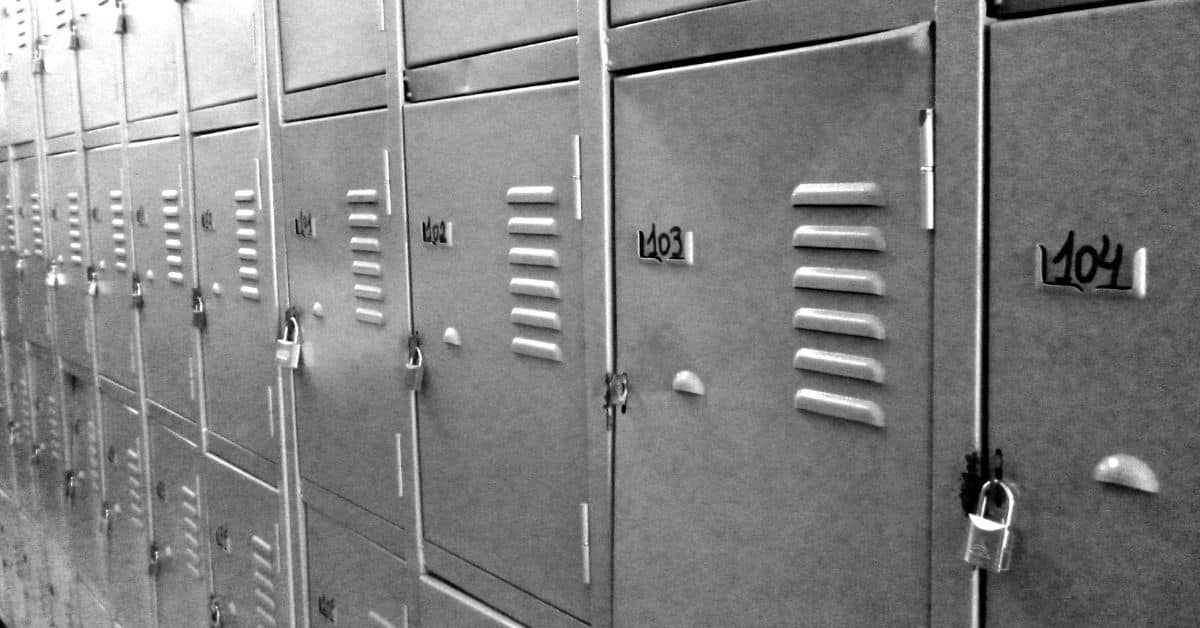
Gym locker rooms take a beating every single day. Wet towels, sweat, humidity, and constant slamming doors wear down materials that were not built for moisture. Plastic lockers for gyms solve a problem that metal lockers were never designed to handle, standing up to water exposure without rusting, warping, or holding onto odor the way painted steel eventually does. Facility managers who have replaced rusted-out metal lockers once already tend to switch to plastic the second time around and never look back.
This guide covers why plastic performs so well in wet environments, which specific plastic locker types work best for pools and locker rooms, what they typically cost compared to metal, and what to check before ordering a full bank for your facility.
Metal lockers, no matter how well coated, eventually show rust spots in high-humidity environments like pool decks and locker rooms. Plastic never rusts, never needs repainting, and does not corrode from constant exposure to chlorine, sweat, or standing water on the floor.
That durability translates directly into lower maintenance costs over the life of the locker bank. Facilities that switch to plastic locker systems in wet zones typically report far fewer replacement requests compared to their old metal units.
Plastic also holds up better against the cleaning chemicals commercial gyms use daily. Metal finishes can wear thin or discolor after repeated exposure to strong disinfectants, while plastic surfaces generally shrug off the same cleaning routine year after year without fading or breaking down.
Phenolic lockers are a specific type of high-pressure laminate built for extreme moisture resistance, making them a popular choice for pool facilities, spas, and coastal gyms with high humidity year-round. They resist scratching and staining better than standard plastic while still avoiding the rust issues metal brings to wet environments.
The tradeoff is usually cost. Phenolic lockers sit at a higher price point than standard plastic, so they make the most sense in facilities with constant moisture exposure rather than a typical dry gym floor.
Color and pattern options for phenolic material have expanded significantly in recent years as well, so the higher price point no longer comes with the limited, purely utilitarian look older phenolic lockers were once known for.
Not every gym needs the extreme moisture protection of phenolic material. Standard moisture resistant lockers made from HDPE plastic handle sweat, humidity, and daily wear at a lower price point while still avoiding the corrosion problems metal faces over time.
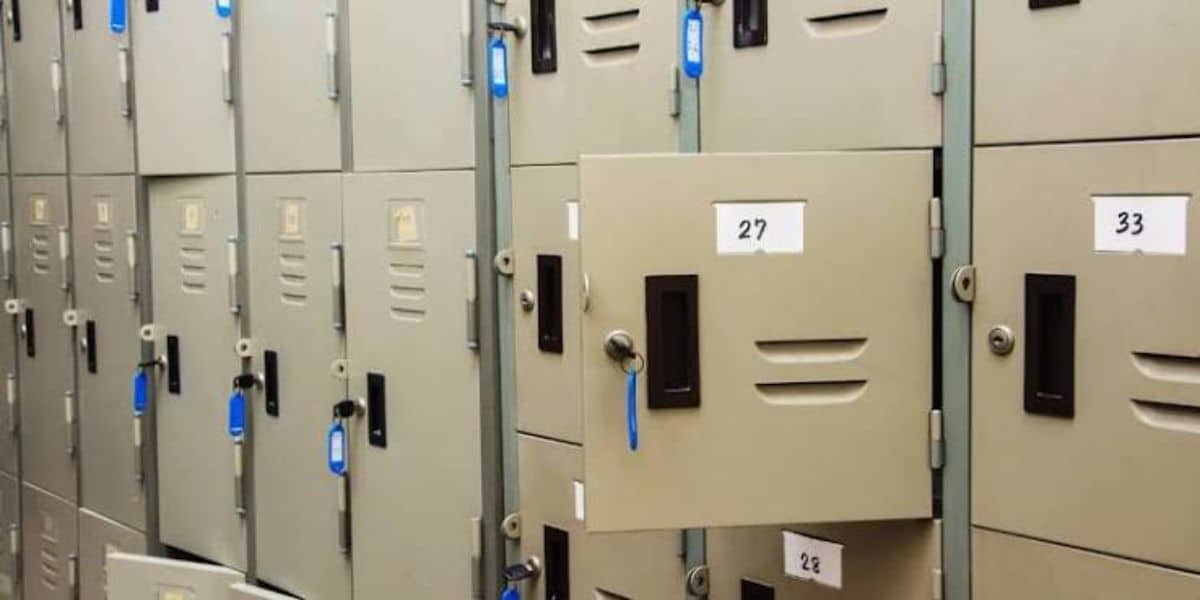
These lockers also tend to be lighter, which simplifies installation and future reconfiguration if your facility layout changes. Ventilated door designs help keep gear from developing mildew smell between uses, which matters as much to member satisfaction as the locker material itself.
Weight also matters when a facility is renovating an existing space rather than building new, since lighter plastic units place less stress on older flooring and require less structural reinforcement during installation compared to a full bank of heavy-gauge steel.
Facility managers replacing an aging locker bank often appreciate that lighter plastic units can be moved and reconfigured by a smaller crew, which keeps renovation costs down compared to relocating heavier steel lockers during a remodel.
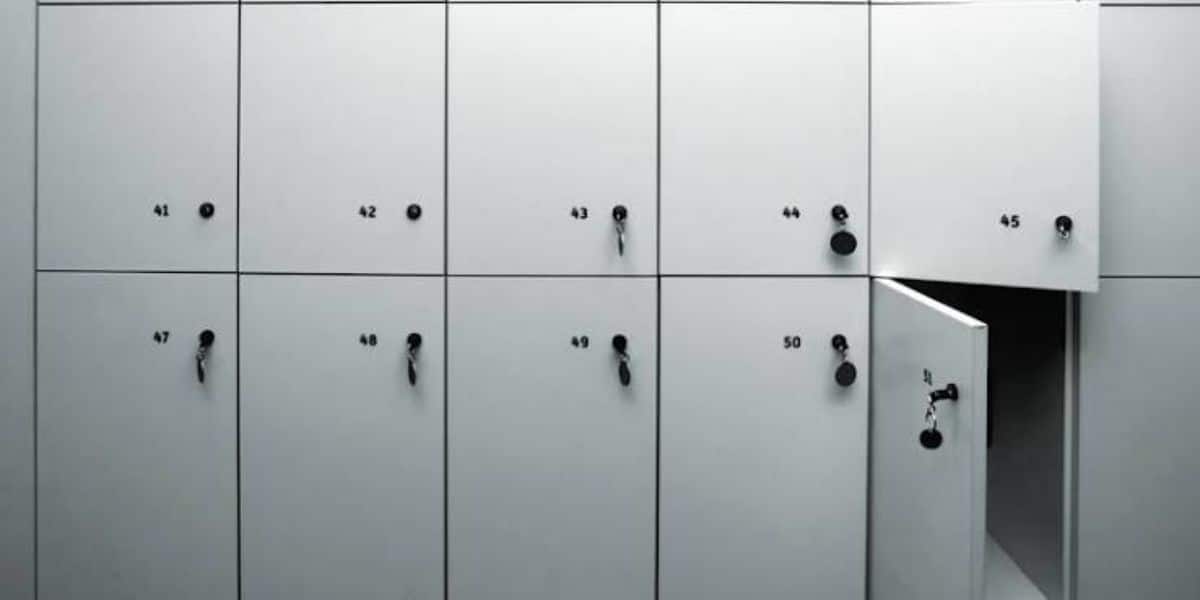
Confirm the ventilation style, since airflow matters as much as water resistance for controlling odor in a busy locker room. Check the lock type as well, since digital and combination locks both need compatible hardware built into the door.
Color and finish options have grown significantly for plastic lockers in recent years, so facilities no longer have to sacrifice appearance for durability. A full plastic locker lineup in a dedicated shop makes it easier to compare finishes side by side before committing to a bulk order.
Warranty terms are worth a close look too, since plastic locker warranties vary more between manufacturers than most buyers expect. A longer warranty period is often a reliable signal that the manufacturer trusts the material to hold up under real-world gym conditions.
Standard HDPE plastic lockers typically sit close to metal lockers in price, while phenolic options run noticeably higher due to the material and manufacturing process involved. The gap narrows considerably when you factor in long-term maintenance, since plastic lockers rarely need the repainting or hardware replacement that wet-environment metal lockers eventually require.
Facilities replacing an aging metal locker bank often find that the higher upfront cost of plastic pays for itself within several years simply by avoiding repeated rust-related repairs and early replacements.
A supplier who understands the difference between phenolic, HDPE, and standard plastic will steer you toward the right material for your specific humidity levels instead of a one-size-fits-all recommendation that may not hold up in your particular facility.
Ventilation needs also differ between a fitness gym and a pool facility, and a knowledgeable ventilation-focused supplier will factor that into the recommendation rather than treating every locker room the same way. Working with a team like Lockers Unlimited means getting that kind of guidance before you order rather than after installation reveals a mismatch between the material you chose and the conditions your locker room actually sees every day.
Plastic lockers solve a problem that metal simply cannot in wet, humid environments. Matching the right plastic type to your facility’s humidity level now, rather than defaulting to whatever is cheapest, saves a costly replacement decision later.