If you’ve walked into a facility built in the last five years, you’ve probably noticed how different the locker rooms feel compared to what most of us grew up with. Today’s best locker rooms aren’t just rows of metal boxes and a bench bolted to the floor. They’re planned spaces that account for airflow, natural light, security, and how people actually move through the room during a busy hour. Whether you’re managing a gym, a school, or a corporate campus, the way you set up your locker rooms says a lot about how much you value the people who use them every day.
A good locker room starts with a plan, not a catalog. Facility managers who get the best results usually begin by mapping out traffic patterns: where people enter, where they change, and where they store their things before heading to a workout, a shift, or a class. From there, the locker sizing and configuration gets chosen to match real usage, not just whatever fits the wall.
Ventilation matters more than most people expect. A room full of damp towels and gym clothes needs airflow, or it will smell that way within a month. Lighting is another quiet detail that changes how a space feels; bright, even light makes a locker room feel clean and safe, while dim corners tend to collect clutter and complaints. Security rounds out the list, since nobody wants to worry about their belongings while they’re at practice or in a meeting.
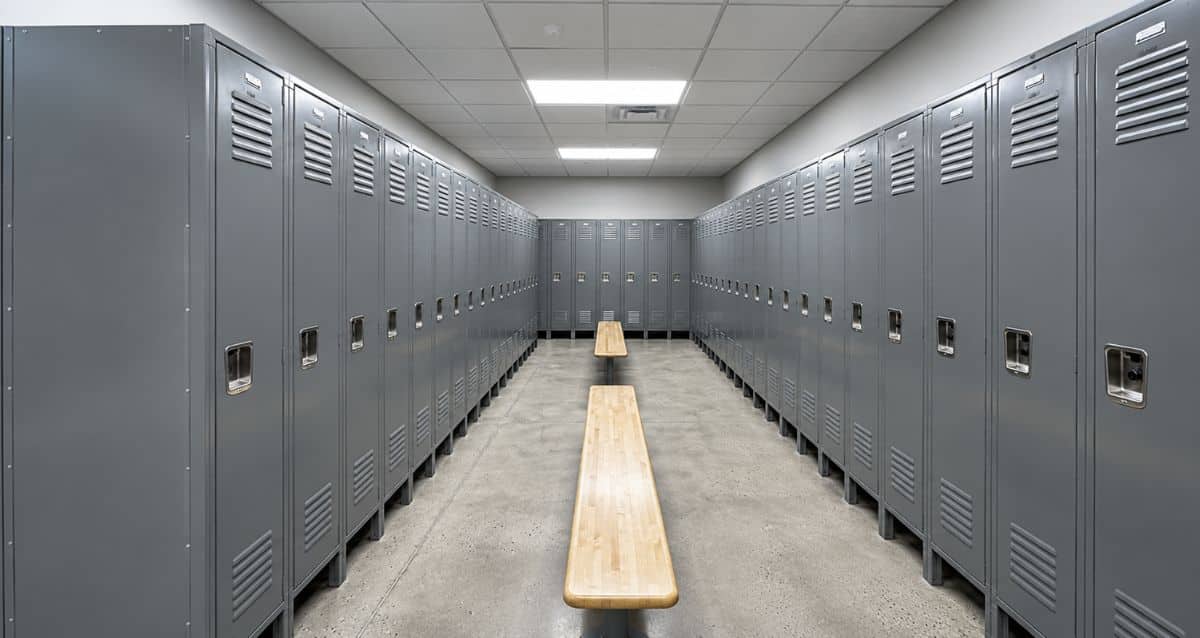
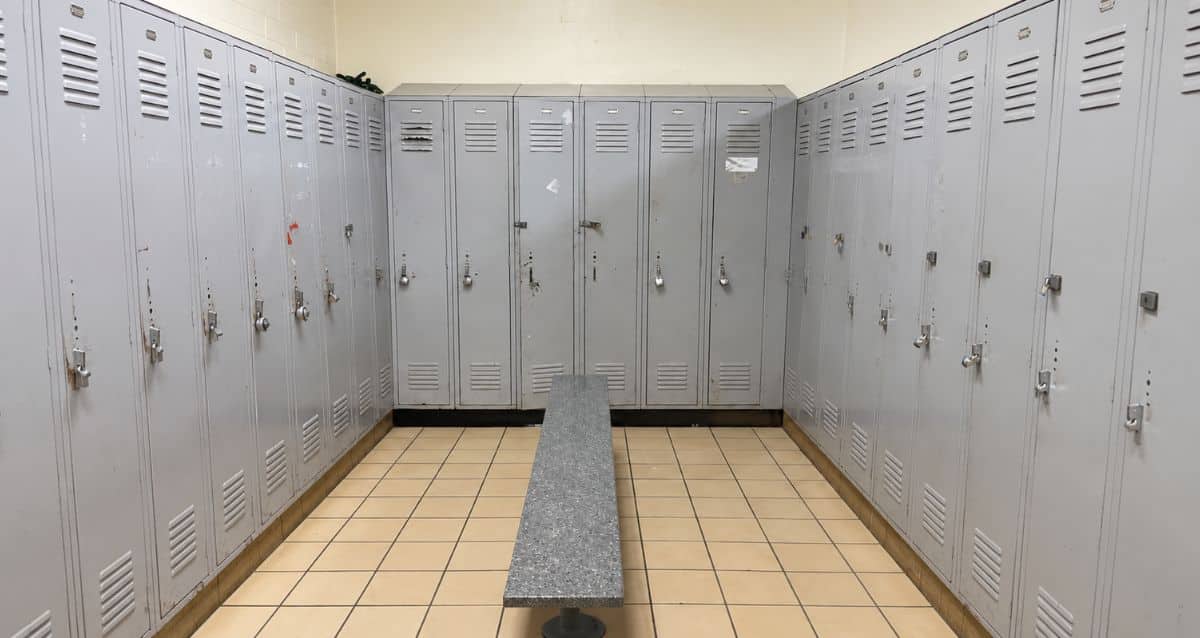
Gym locker rooms see some of the heaviest daily traffic of any commercial space, and that changes what you should prioritize. Members move fast before and after workouts, so wide aisles and clear sightlines keep things moving without crowding. Ventilated lockers help control moisture and odor from sweaty gear, which matters far more here than in a typical office break room.
Bench placement also plays a bigger role than people expect. Members need somewhere to sit while they change shoes or tie up gear bags, and putting benches too close to locker rows creates a bottleneck during peak hours. Many gyms are also adding phone charging stations and small shelves for water bottles, which keeps the room functional without adding clutter. None of this needs to be complicated, but it does need to be planned around how members actually use the space, not just how it looks in a brochure.
School locker rooms face a different kind of pressure. Hundreds of students may pass through between classes or before and after sports practice, and the lockers need to survive years of daily slamming, dropped backpacks, and the occasional dent from a hockey stick. Durability isn’t optional here; it’s the baseline requirement.
Safety and supervision also shape the layout. Schools often prefer open sightlines so staff can keep an eye on the room without feeling like they’re hovering over every student. Ventilation is just as important as it is in a gym setting, since sweaty practice gear sits in these lockers for hours at a time. A well planned school locker room reduces the daily friction of getting dozens of students changed and out the door on time, which matters more than most administrators realize until they fix it.
The materials you choose for a locker room affect everything from maintenance costs to how the space looks five years down the road. Steel lockers remain a popular choice for their strength and resistance to dents, while phenolic and plastic options hold up well in wet or humid environments like pool facilities. Wood accents, often used on benches or trim, add warmth to an otherwise industrial looking space without sacrificing durability.
Layout choices matter just as much as material. Rooms with a clear circulation path, adequate spacing between rows, and a mix of full size and half size lockers tend to serve a wider range of needs. Teams like the one at Lockers Unlimited work with facility managers to match these choices to the specific building, rather than pushing a one size fits all layout that looks good on paper but frustrates people in practice.
If you’re considering an upgrade, start with an honest look at how the current space is actually used, not just how it was originally designed. Walk through during peak hours and note where people bottleneck, where lockers sit unused, and where complaints tend to come from. This kind of observation tells you more than any spec sheet.
From there, set a budget that accounts for both the lockers themselves and any structural work, like added ventilation or electrical for charging stations. Getting quotes from a few suppliers helps you compare not just price but lead times and warranty terms, since a cheap locker that fails in two years costs more in the long run than a slightly pricier one built to last.
Not every locker room serves athletes or students. Corporate campuses increasingly include locker rooms for employees who bike to work, hit the gym on a lunch break, or simply need somewhere secure to store a bag during the day. These spaces tend to be smaller in scale but still need the same core ingredients: good ventilation, secure storage, and a layout that doesn’t feel like an afterthought tucked behind a stairwell.
Public recreation centers and community pools face a different set of demands again, since visitors range from young children to older adults, often on the same afternoon. Wider aisles, lower hooks and shelves at varying heights, and slip resistant flooring near wet areas all become more important in this setting than they would in a private gym used mostly by adults. Municipal budgets also tend to be tighter, which is part of why so many public facilities lean on a mix of new and secondhand units to stretch their funding further.
Whatever the setting, the underlying goal stays the same: a locker room should make life easier for the people using it, not add friction to their day. A rushed employee grabbing a bag before a meeting and a parent helping a child change after swim lessons have very different needs, but both deserve a space that works without a fight. Facility managers who keep that end user experience in mind, rather than just filling square footage with metal boxes, tend to end up with rooms that actually get used well for years rather than becoming a source of complaints.
Locker rooms are one of those spaces that quietly shape how people feel about a facility. A gym member who fights for locker space every visit, or a student who can’t find a working lock, notices the gap between a well run space and one that was never really planned at all. Getting the layout, materials, and daily flow right pays off in fewer complaints and a space that holds up for years.