

If your garage has turned into a dumping ground for tools, sports gear, and half-finished projects, you’ve probably started weighing your storage options. Garage lockers and wall cabinets both promise to fix the chaos, but they solve the problem in pretty different ways. One leans on freestanding, lockable compartments. The other hangs off your walls and frees up floor space. Picking the right one comes down to how you actually use your garage, not just which option looks nicer in a showroom photo, and getting it wrong usually means redoing the whole project a year or two later once the clutter creeps back in.
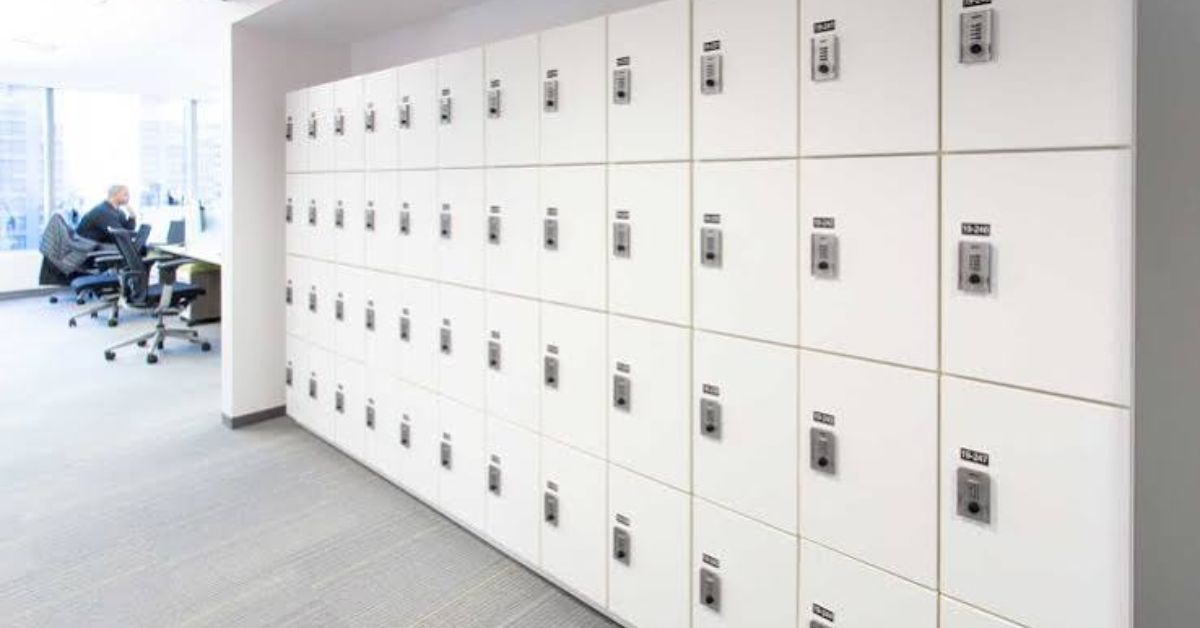
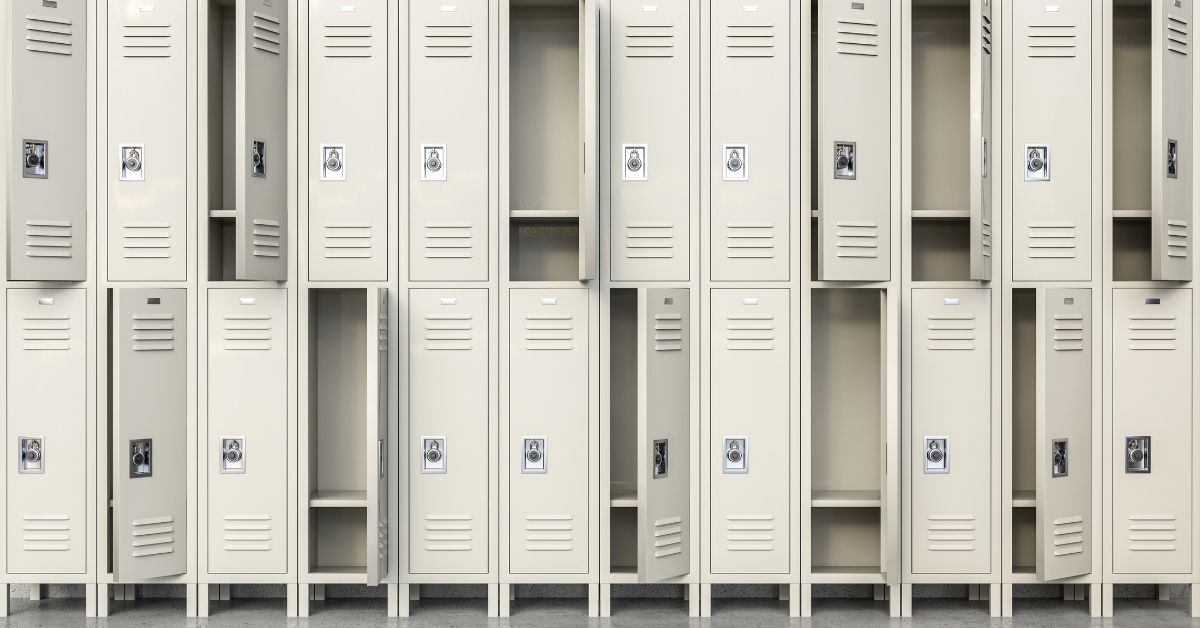
Garage lockers are built like the units you’d find in a gym or a school, just scaled and finished for home use. They stand on the floor, usually in a row, and each one gives you a fully enclosed, lockable space. That matters more than people expect. If you’ve got teenagers who “borrow” tools and never return them, or you share a garage with roommates, having a compartment that locks is a real advantage over open shelving.
They also tend to hold up better under heavy use. Because they’re built as standalone units rather than mounted hardware, they can support more weight without you worrying about wall studs or anchor points. If you’re storing car batteries, heavy toolboxes, or bulky winter gear, that structural difference is worth considering. The tradeoff is footprint: lockers sit on your floor, so you need to actually have room to spare, especially if you’re also parking a car in there.
Wall cabinets solve the opposite problem. If your garage floor space is already tight, mounting storage on the wall means you’re not sacrificing any square footage you’d otherwise use for parking, a workbench, or a bike rack. This is the option most people reach for when they’re trying to keep the floor clear for actual movement.
Cabinets also tend to be easier to organize visually. Because they’re often mounted at eye level or just above it, you can see what’s inside more easily than crouching down to check a locker’s contents. Many wall cabinet systems also let you customize shelf height, which is handy if you’re storing a mix of small parts bins and bulkier items. The downside is capacity. Wall cabinets are limited by what your wall can safely support, and installation requires more precision since it depends on proper anchoring into studs or reinforced backing.
This is where the decision often comes down to what you’re protecting and for how long. Garage storage lockers, particularly metal ones, are built for heavy daily use and tend to outlast lighter wall-mounted alternatives. If you’re storing anything valuable, sports equipment, seasonal decorations you can’t afford to lose, or tools you rely on for work, the built-in locking mechanism on a locker gives you peace of mind that most wall cabinets simply don’t offer without an add-on lock.
That said, wall cabinets aren’t flimsy by any means. Good ones are made from the same gauge steel or heavy-duty polymer as lockers, they’re just mounted differently. The real question is whether you need compartmentalized, individually secured storage or a more open system you can access quickly. Lockers Unlimited has spent over three decades helping schools, gyms, and homeowners figure out exactly that, and the answer usually depends less on the product and more on how the space gets used day to day. If you’re outfitting a shared garage or a facility where multiple people need separate, secured storage, garage lockers usually make more sense long term.
There’s also the question of resale value and how storage upgrades affect your home overall. Buyers touring a house tend to notice a garage that looks organized and purpose-built, and a bank of clean, matching garage storage lockers can read as a real upgrade rather than clutter management. Wall cabinets, while functional, sometimes look more like an afterthought unless they’re installed as a full system. Neither choice is wrong, but if you’re thinking years down the road rather than just next season, it’s worth factoring in how each option ages and how it might read to someone else walking into the space.
Start by measuring what you actually have to work with. If your garage floor is already crowded with a car, bikes, and a workbench, wall cabinets are probably your better bet since they don’t eat into that space. If you’ve got a spare wall or corner and want the added security of individual locking compartments, garage lockers are worth the extra footprint.
Think about who’s using the space too. A single-family garage with no security concerns might do just fine with open shelving or cabinets. A shared space, a home business, or a garage that doubles as a small workshop for multiple people benefits more from lockers. It’s also worth browsing a full lineup of metal and plastic locker styles before deciding, since seeing the range of sizes and finishes available can change your mind about what will actually fit.
It also helps to walk through your garage with a tape measure and a rough sketch of where a car, bikes, or a workbench currently sit. Mark off the wall space you’d realistically dedicate to cabinets versus the floor footprint you could give up for lockers. Most people overestimate how much floor space they can spare once they account for opening car doors and walking around parked bikes, which is often the deciding factor in favor of wall-mounted options.
Budget plays a role too. Wall cabinets are often (though not always) less expensive upfront, especially for smaller units. But if durability and security matter more than initial cost, lockers tend to pay for themselves over time by lasting longer and needing fewer repairs. Looking at examples of completed locker installations can also give you a realistic sense of how either option looks and functions in a real garage setting, not just in a catalog photo.
If you’re still unsure, it doesn’t hurt to get a second opinion from people who install this stuff for a living. Professional locker installation and layout services can walk through your actual garage dimensions and usage patterns, which tends to make the decision a lot clearer than guessing from measurements alone. And if you want more background before committing, there’s a growing library of locker buying guides and comparisons covering everything from material choices to sizing.
Whichever way you lean, don’t feel locked into an all-or-nothing choice. Plenty of garages end up with a hybrid setup: a bank of lockers for anything that needs to stay secure, paired with wall cabinets for everyday items you want within easy reach. That combination often ends up being more practical than picking just one system and trying to force your whole garage to fit it. To learn more about the company behind these recommendations, you can read about Lockers Unlimited history and experience serving both commercial and residential clients.
At the end of the day, garage lockers and wall cabinets aren’t competitors so much as tools suited to different jobs. Match the option to your space, your security needs, and how much floor room you can spare, and you’ll end up with a garage that actually works for you instead of against you.
It depends on the size and material, but generally yes, garage lockers cost more upfront because they’re built as standalone, lockable units. Wall cabinets can be cheaper for smaller storage needs. Over time, though, lockers often prove more cost-effective if you need heavy-duty durability and security.
Smaller wall cabinets can often be installed with basic tools if you’re comfortable finding studs and using a level. Larger or heavier units are safer to have professionally mounted, especially if they’ll be holding significant weight. A poor installation risks the cabinet pulling away from the wall over time.
They can, which is why measuring your available floor space before buying is important. Slimmer locker models exist specifically for tighter garages. If floor space is extremely limited, wall cabinets are usually the more practical choice.
Garage lockers generally offer better built-in security since each unit comes with its own lock. Wall cabinets can be secured too, but often require an additional padlock or locking hardware added after purchase.
Absolutely, and it’s a common approach. Many homeowners use lockers for higher-value or shared items and wall cabinets for everyday tools and supplies they want to access quickly.
Metal lockers and cabinets hold up well in most conditions but can be prone to rust in very humid or coastal climates unless properly coated. Plastic or polymer options resist moisture better and are worth considering if your garage isn’t climate controlled.