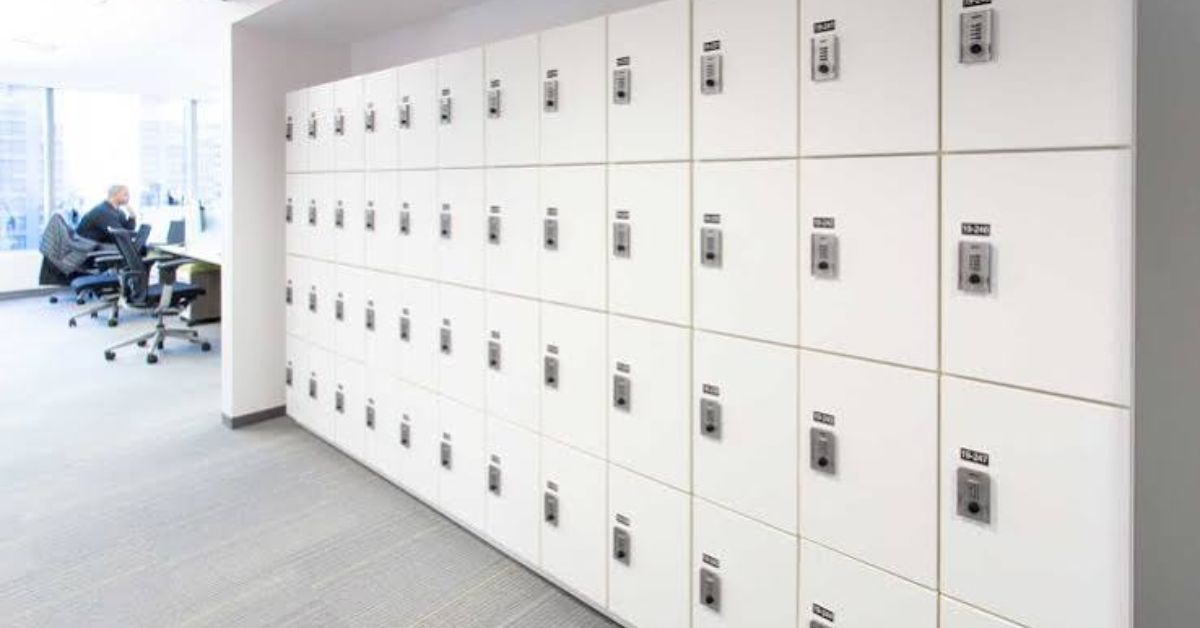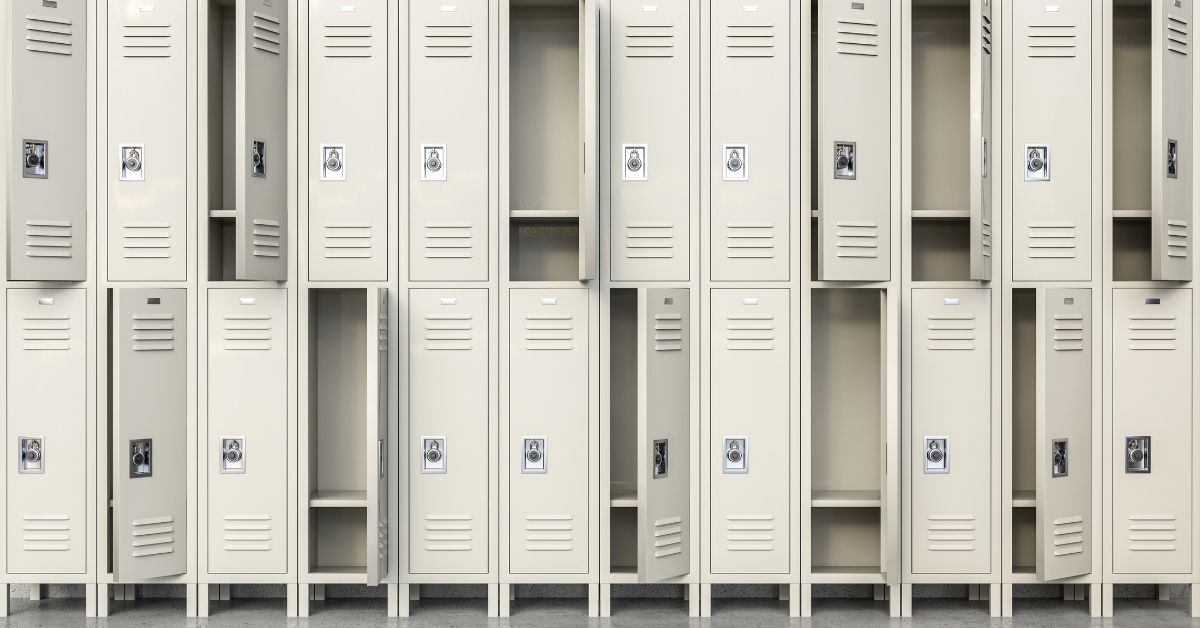

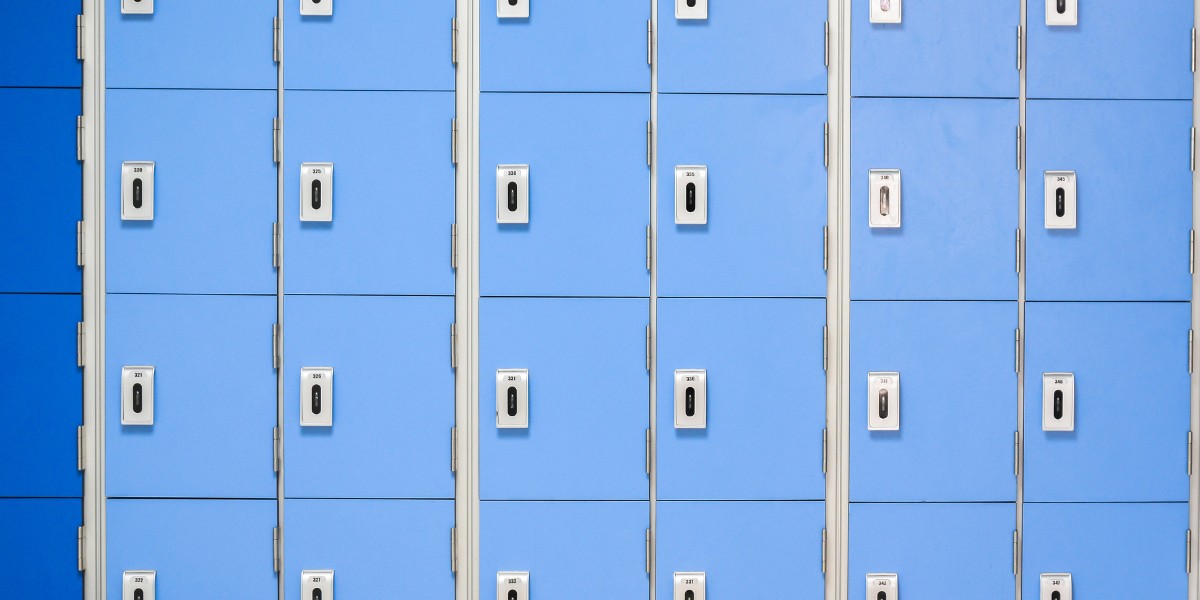
Buying lockers seems straightforward until you actually start comparing options. Sizes vary more than expected, materials range from budget steel to high-end phenolic, and security features can make a noticeable difference in price between two units that otherwise look nearly identical. Without a clear checklist, it’s easy to either overspend on features you don’t need or underspend and end up replacing units within a few years.
A little upfront planning saves a lot of frustration later. Walking through the right questions before you buy lockers means you end up with units that actually fit your space, your budget, and how people will use them every day.
The biggest mistake buyers make is measuring the available wall space first and choosing locker sizes to fit, without thinking through how people will actually use them. A gym member storing a gym bag and shoes needs different dimensions than an office employee storing a coat and a small bag, or a warehouse worker storing a hard hat and boots.
Before locking in dimensions, think through what items will realistically be stored day to day. Reviewing 5 things to check before you buy used lockers is useful even if you’re buying new, since the underlying questions about size and daily use apply regardless of condition.
It also helps to think about peak usage. A locker bank that works fine on a quiet Tuesday might bottleneck completely during a shift change or right after a gym class lets out. Sizing for typical daily traffic, not just total headcount, avoids this problem.
Steel, plastic, wood, and phenolic all serve different purposes, and the cheapest option upfront isn’t always the cheapest option over five years. Steel lockers are durable and affordable but can struggle with moisture over time. Plastic resists corrosion and works well in damp environments. Phenolic handles heavy moisture exceptionally well but costs more initially.
Matching material to environment matters more than picking whatever’s currently on sale. A dry office hallway has very different needs than a humid locker room near a pool. Browsing what to look for in a locker for sale to get the best value walks through how to weigh these tradeoffs without just defaulting to the lowest price tag in front of you.
Not every locker needs the same level of security. A school hallway locker doesn’t need the same lock system as a facility storing valuable equipment or sensitive documents. Matching security level to actual risk avoids overspending on features that won’t get used, while still protecting what genuinely needs protecting.
Combination locks, key locks, and digital or electronic locks all come with different tradeoffs in cost, convenience, and long-term maintenance. Digital locks tend to cost more upfront but eliminate the hassle of lost keys and forgotten combinations, which matters more in high-turnover environments like gyms or shared offices.
If security is a top priority for your specific use case, it’s worth reviewing a complete buyer’s guide to metal lockers for sale before finalizing a decision, since lock type and build quality are closely connected in most product lines.
Sticker price is only part of the real cost. Installation, shipping, and any necessary site preparation can add a meaningful amount to the total, especially for larger orders or facilities without an existing locker setup in place. Getting a full quote that includes these factors avoids budget surprises partway through a project.
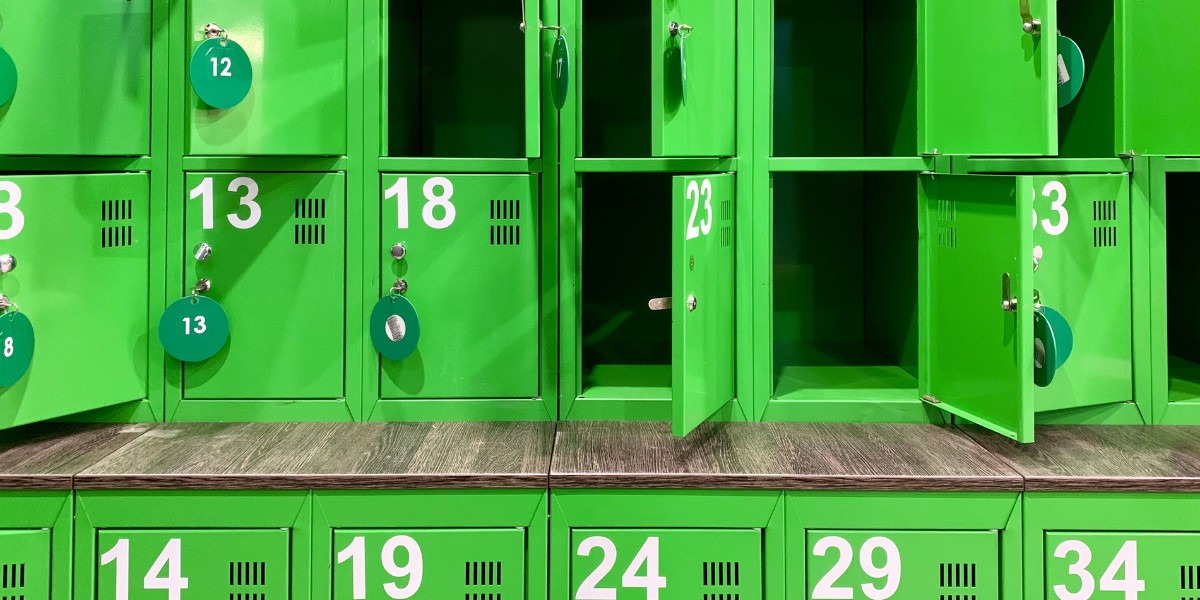
Lockers Unlimited typically advises buyers to request itemized quotes that separate unit cost from installation and delivery, simply because it makes comparing different vendors or product lines far more accurate than comparing sticker prices alone. Two seemingly identical quotes can differ significantly once installation costs are factored in.
Buying in bulk for a larger facility often brings down the per-unit cost noticeably, so it’s worth asking about volume pricing even for moderate order sizes rather than assuming discounts only apply to very large purchases.
Once you know your size, material, security needs, and budget, the actual purchase decision becomes much simpler. Local suppliers often provide faster delivery and easier returns if something doesn’t fit as expected, while online options sometimes offer a wider selection at competitive prices.
If you’re trying to figure out the best path forward in your area, checking where to buy lockers in Charlotte, NC, a full guide is a practical example of how location-specific buying decisions can affect both price and turnaround time, even for fairly standard locker orders.
Reading reviews and asking for references from similar facilities -schools buying for schools, gyms buying for gyms -tends to surface practical issues that spec sheets alone won’t reveal, like how a particular lock type holds up after a year of heavy daily use.
Buying lockers doesn’t need to be complicated, but it does benefit from a little structure. Work through usage, material, security, and budget in that order, and the right choice tends to become obvious well before you’re standing in front of a final order form trying to decide between two nearly identical-looking options.
It depends on what users will store daily. Gym bags and shoes need more depth than a coat and small bag. Measure based on realistic daily contents rather than guessing or defaulting to the most common size available.
Plastic generally performs better in consistently humid or wet environments since it resists corrosion. Steel works fine in drier settings but can struggle with moisture over time without proper ventilation.
For high-turnover environments like gyms or shared offices, yes. Digital locks eliminate lost-key and forgotten-combination issues, which can outweigh the higher upfront cost over time.
Installation, delivery, and any site preparation can add noticeably to the total cost. Always request an itemized quote rather than comparing unit prices alone.
Often, yes. Many suppliers offer volume pricing even for moderate order sizes, so it’s worth asking directly rather than assuming discounts only apply to very large facility orders.
Local suppliers typically offer faster delivery and easier returns, while online retailers sometimes provide a wider selection at competitive prices. The right choice depends on your timeline and how important in-person support is for your project.