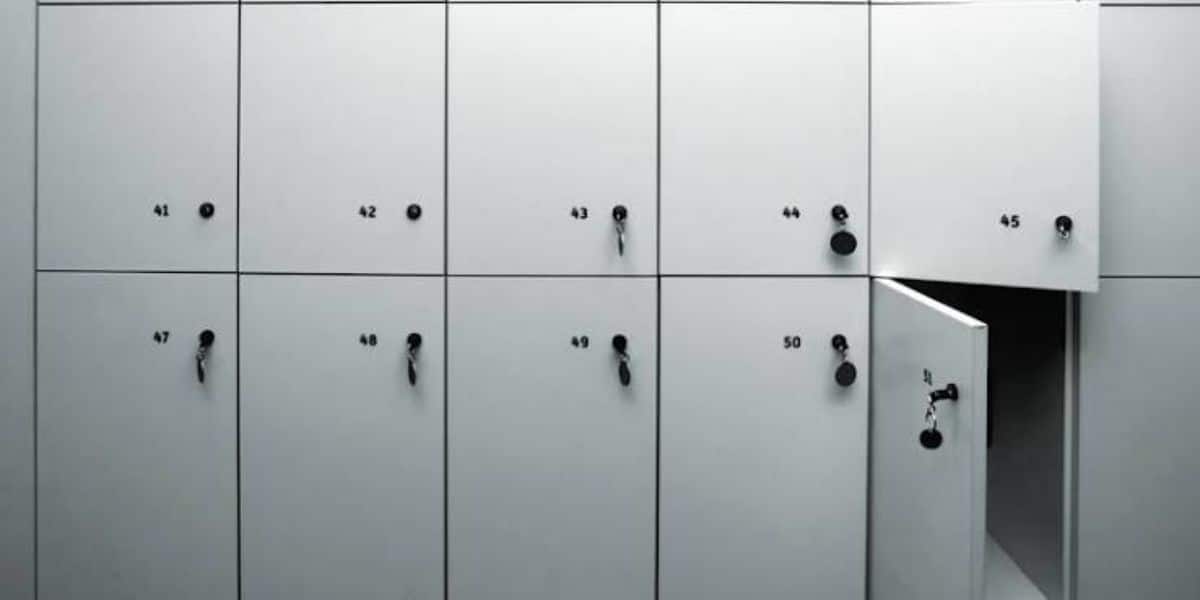


When it comes to storage solutions, not all lockers are created equal. Whether you are outfitting a school hallway or setting up a fitness facility, choosing the right locker type is essential for safety, functionality, and longevity. School lockers and gym lockers may look similar at first glance, but they serve very different purposes and understanding those differences can save you time, money, and headaches down the road.
In this guide, we break down the key distinctions between school and gym lockers, explore what each environment demands, and help you determine which solution is right for your needs.
Before diving into specifics, it helps to understand the fundamental purpose behind each locker category. School lockers are designed primarily to store books, backpacks, jackets, and personal items for students throughout the school day. They are used in dry indoor hallway environments, typically accessed multiple times a day by children and teenagers.
Gym lockers, on the other hand, are built to handle a much harsher environment. They need to withstand moisture, sweat, humidity, and the odors that come with athletic use. Gym lockers are frequently found in locker rooms adjacent to showers, pools, and workout areas places where water, heat, and humidity are constant concerns.
One of the biggest differences between school and gym lockers lies in the materials used during construction. School lockers are typically made from cold-rolled steel, powder-coated to resist scratching and denting. Since they operate in a dry environment, corrosion resistance is not a top priority durability against physical impact and vandalism is.
Gym lockers, however, must be built to resist moisture above all else. High-quality gym lockers are often constructed from stainless steel, solid phenolic, or high-density polyethylene (HDPE) materials. These materials do not rust, warp, or degrade when exposed to constant humidity, making them ideal for locker rooms where wet swimwear and towels are stored on a daily basis.
If you were to install standard school lockers in a gym locker room, you would likely see rust, peeling paint, and structural degradation within just a couple of years. The investment in proper gym-grade materials pays for itself many times over through extended product lifespan and reduced maintenance costs.
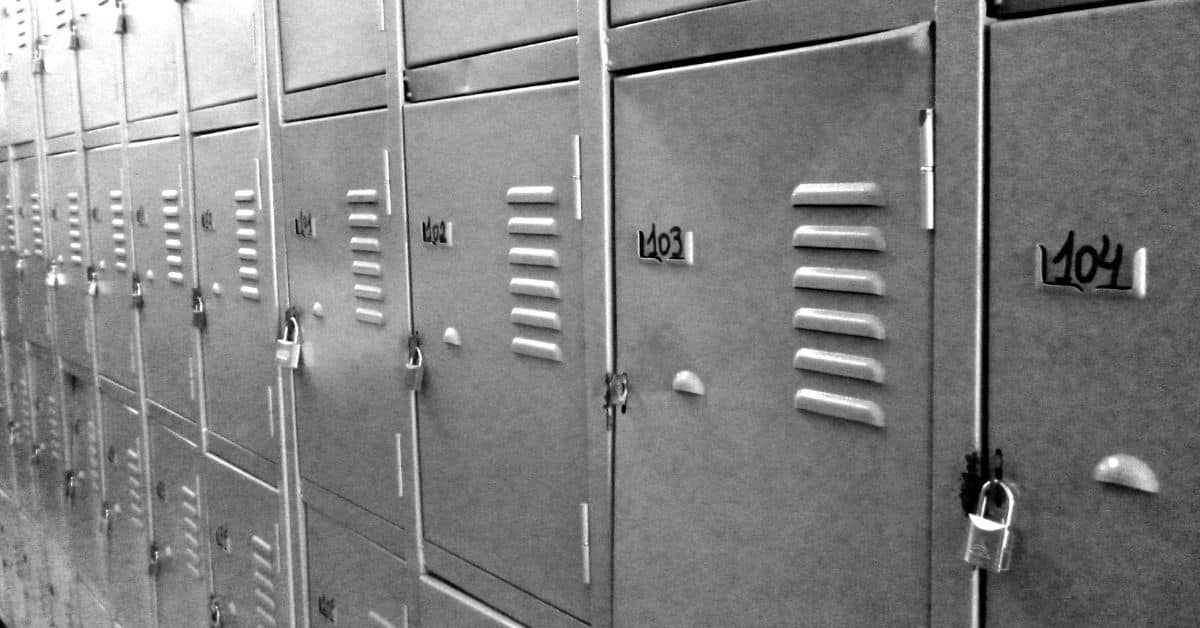
Ventilation is another area where gym lockers and school lockers diverge significantly. School lockers typically feature louvered doors or small ventilation slots enough airflow to prevent mildew on forgotten lunches or damp jackets, but nothing more elaborate.
Gym lockers require much more robust ventilation systems. Wet workout clothes, towels, and athletic gear generate significant moisture and odor. Without proper airflow, bacteria and mold thrive inside the locker, creating hygiene issues for users and facility managers alike. The best gym lockers are engineered with wide ventilation panels, open-slat designs, or even built-in air circulation features to keep contents dry and odor-free between uses.
School lockers are traditionally tall and narrow, designed to hang a coat or backpack vertically while maximizing the number of units along a hallway wall. They are often installed in banks of two-tier or single-tier configurations depending on the age group and storage needs of the students.
Gym lockers tend to be wider and deeper to accommodate bulkier items like gym bags, athletic shoes, helmets, and sports equipment. Many gym facilities opt for full-length single-tier lockers to give users more usable space, while others choose a combination of full-length and half-size units to serve members with different storage needs.
When planning a locker room layout, it is important to consider the traffic flow, the number of daily users, and the types of items being stored. A poorly designed layout can lead to congestion, user frustration, and premature locker wear.
Security requirements also differ between school and gym environments. Schools typically use built-in combination locks or padlock hasps, where students supply their own padlock. Built-in locks are popular because they reduce loss and provide a standardized solution across all units.
Gym lockers often feature day-use coin-operated locks, electronic keypad locks, RFID card access systems, or key locks depending on the facility type. Many modern fitness centers are moving toward smart locker systems that integrate with membership management software a feature entirely unnecessary in a school setting but extremely valuable in a commercial gym or health club. Choosing the right locking system is a key part of the overall locker selection process.
While functionality takes center stage, aesthetics matter too especially in commercial gym settings where the appearance of your facility directly impacts member satisfaction and retention. School lockers tend to follow institutional designs: straightforward, utilitarian, and easy to clean. Color customization is available but rarely a primary concern.
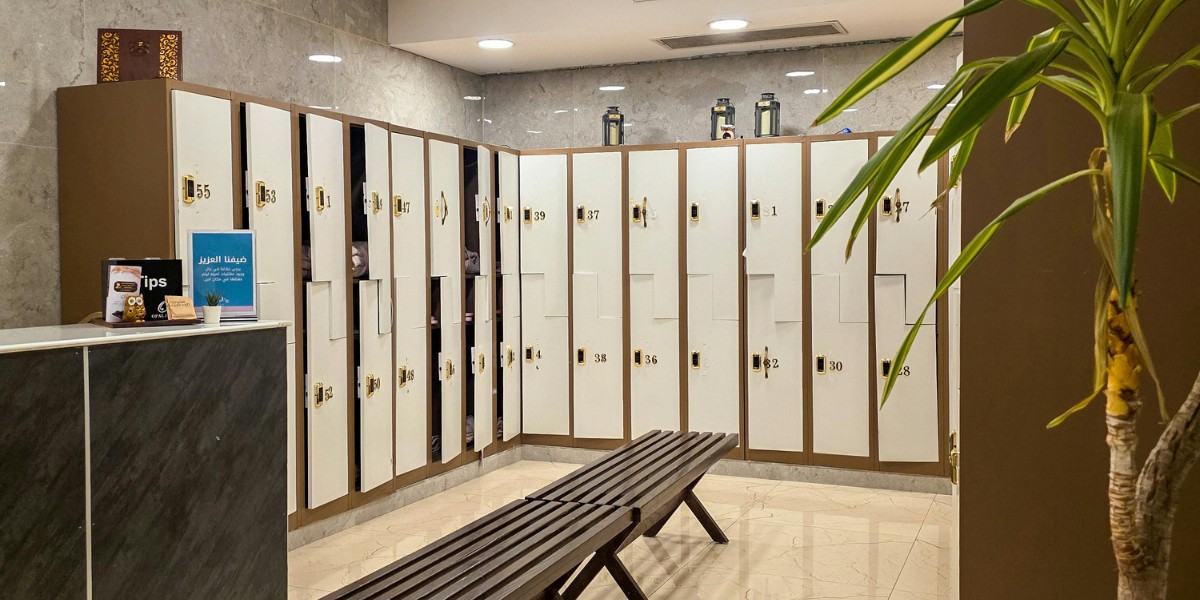
Gym lockers, particularly in premium fitness facilities, spas, and wellness centers, are increasingly expected to look sleek and modern. Wood-grain finishes, brushed stainless steel accents, and minimalist door designs are popular choices for upscale environments. The locker room experience has become an important differentiator for gyms competing for members, making appearance a legitimate business consideration.
So how do you decide which type of locker is right for your situation? Start by asking these questions: What environment will the lockers be installed in? Will they be exposed to moisture, humidity, or heavy physical use? What are the primary items being stored? How many users will access the lockers daily, and for how long?
If you are a school administrator looking to replace aging hallway lockers, steel school lockers with built-in combination locks and a durable powder coat finish are likely your best choice. If you are outfitting a gym, health club, pool facility, or spa, investing in moisture-resistant gym lockers with proper ventilation and a flexible locking system will serve your members far better in the long run.
For facilities that bridge both worlds such as school athletic departments or university recreation centers a hybrid approach using gym-grade lockers in the locker room and standard school lockers in hallways is often the most practical and cost-effective solution. Lockers Unlimited offers a wide range of both school and gym locker options to suit facilities of every size and budget.
Choosing between Lockers Unlimited, school lockers and gym lockers is not simply a matter of preference it is a practical decision with long-term consequences for your facility, your budget, and the people who use them every day. Understanding the unique demands of each environment, from moisture resistance and ventilation to security and aesthetics, allows you to invest wisely and avoid costly mistakes. Whether you are building a brand-new facility or upgrading an existing one, taking the time to select the right locker type is one of the smartest decisions you can make.
The primary difference lies in the materials and design. School lockers are built for dry indoor environments and focus on durability against physical impact. Gym lockers are engineered to resist moisture, humidity, and odor, making them suitable for locker rooms near showers and pools. Using the wrong locker type in the wrong environment can lead to premature wear, rust, and hygiene issues.
It is generally not recommended. Standard school lockers are not designed to handle the high humidity and moisture levels found in gym locker rooms. Over time, they can rust, warp, and develop odor problems. For any wet or high-humidity environment, it is best to invest in gym lockers made from stainless steel, phenolic, or HDPE materials that are specifically rated for moisture resistance.
Gym lockers are available with a variety of locking mechanisms, including coin-operated day-use locks, key locks, combination padlocks, electronic keypad locks, and RFID card access systems. The best option depends on your facility type and how lockers are assigned. Day-use coin locks work well for public gyms, while RFID or keypad systems are popular in private clubs and high-end wellness centers.
Consider the types of items your users will be storing. If your members typically bring large gym bags, sports equipment, or bulky gear, full-size single-tier lockers provide the most usable space. For facilities where storage needs are lighter such as yoga studios or spin classes half-size or two-tier configurations can accommodate more users per square foot. Always factor in the number of daily users and peak-hour traffic when planning your locker layout.
Gym lockers are generally more expensive than school lockers due to the premium materials required for moisture and corrosion resistance. However, the higher upfront cost is offset by greater longevity and lower maintenance expenses over time. Investing in properly specified gym lockers for a fitness facility will almost always be more cost-effective in the long run than installing cheaper school lockers that will need to be replaced within a few years due to environmental damage.