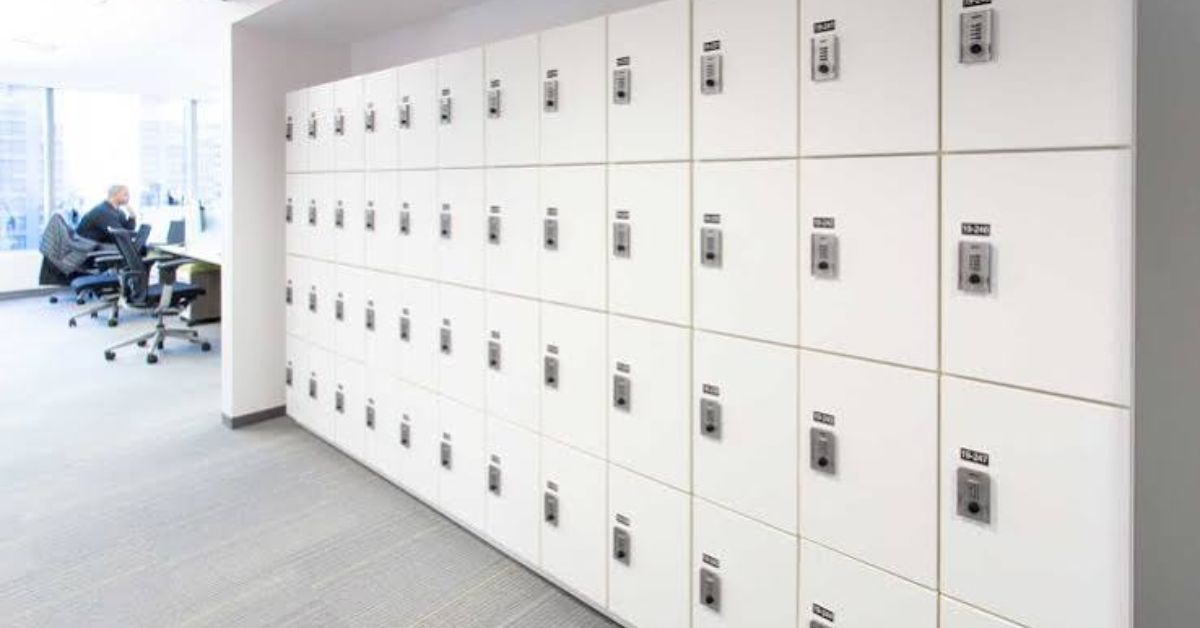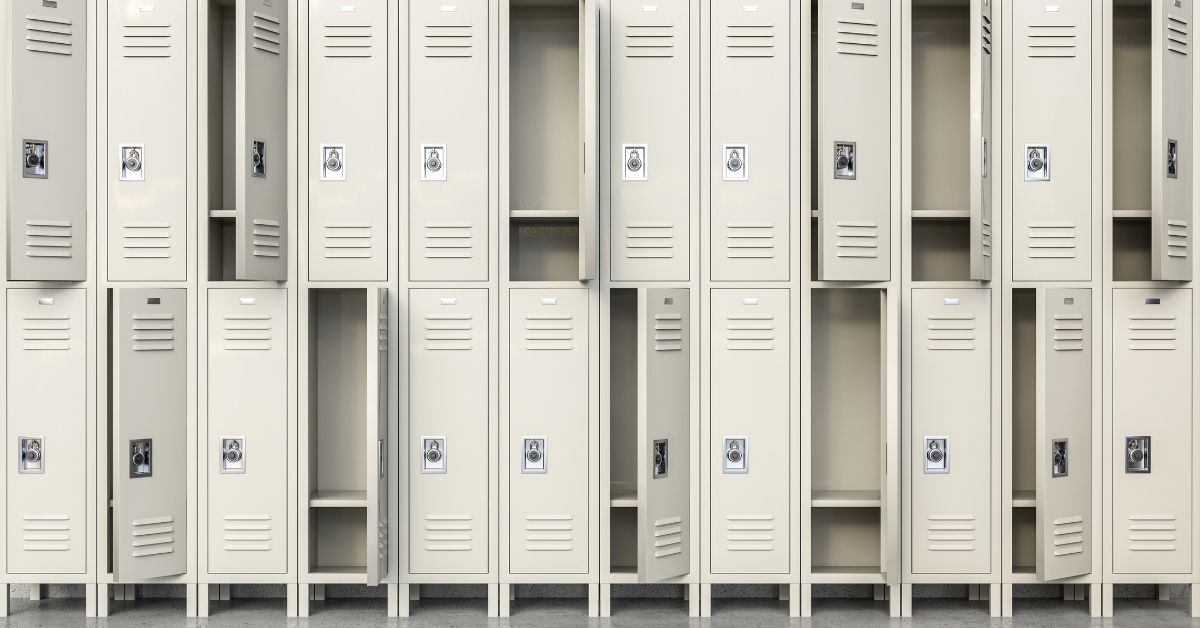

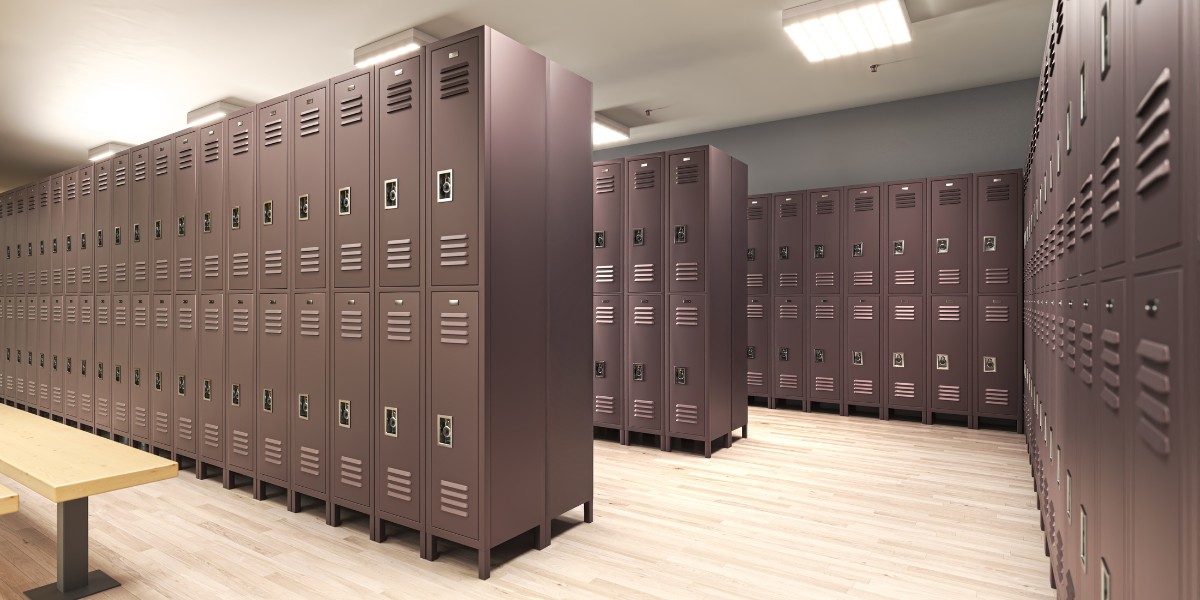
Lockers take a different kind of beating depending on the time of year. Summer brings sweat, humidity, and damp gym clothes left a little too long. Winter brings wet boots, melted snow, and heavier coats stuffed into spaces that weren’t designed for bulk. Most people only think about locker accessories once, set it and forget it, but the smartest setups actually rotate what they’re using as the seasons change.
Treating locker accessories as a year-round system rather than a one-time purchase keeps spaces smelling better, looking cleaner, and lasting longer. It’s a small shift in thinking that pays off in fewer complaints and less wear on the units themselves.
A locker accessory that works great in January can be completely useless by July. Moisture-wicking mats that handle wet boots in winter do nothing for the sweat and humidity that build up during gym season. Treating every season the same means you’re either under-prepared for what’s actually happening inside those compartments or wasting money on accessories that don’t match current conditions.
This is especially true in gyms, schools, and any facility where the same locker is used heavily across all twelve months. A school locker dealing with damp umbrellas in spring needs something different than the same locker dealing with summer heat and gym bags in September. Looking at how locker accessories help keep your school day organized shows how much variation exists even within a single school year.
Warmer months bring sweat, humidity, and the kind of smell that lingers if nobody addresses it directly. Ventilated inserts, moisture-absorbing packets, and odor-control sachets become essential during this stretch, especially in gyms and athletic facilities where damp clothing sits for hours at a time.
This is where odor control really earns its place in a locker accessory rotation. Charcoal-based inserts and breathable mesh organizers do a lot of work here, pulling moisture and smell away from fabric before it has a chance to settle into the metal or set permanently into the space.
Facilities focused on athletic use often pair this seasonal approach with reviewing the unique benefits of plastic lockers, since plastic resists moisture damage far better than untreated metal during the most humid stretches of the year.
Once the weather turns, the problem shifts from sweat to standing water and bulky outerwear. Boot trays, absorbent floor mats, and hooks rated for heavier coats become the priority. Without the right accessories, winter gear tends to overflow into hallways and shared spaces, creating clutter that wasn’t an issue just months earlier.
Hook placement matters more than people expect here. A single small hook designed for a light jacket simply won’t hold a winter coat without sagging or pulling loose over time. Swapping in heavier-duty hooks for the colder months, even temporarily, extends the life of both the accessory and the locker door itself.
Reviewing top trends in designs for lockers can offer ideas for interior configurations that handle bulkier seasonal items more gracefully than a standard flat-shelf layout.
Not everything needs to rotate. Good shelving inserts, sturdy hooks, and basic organizers tend to work fine regardless of season -it’s the moisture and odor-specific items that benefit from a seasonal swap. Mirrors, name tag holders, and small organizational bins fall into this category too; they’re useful in January and just as useful in July.
Lockers Unlimited often points facility managers toward a baseline accessory kit that stays installed permanently, with smaller seasonal add-ons layered on top as conditions change. That hybrid approach avoids the cost and hassle of completely re-outfitting every locker bank twice a year while still addressing real seasonal problems. For a broader baseline setup, browsing a locker accessory kit guide covering must-have items for a stylish, functional locker is a good place to start before adding seasonal extras.
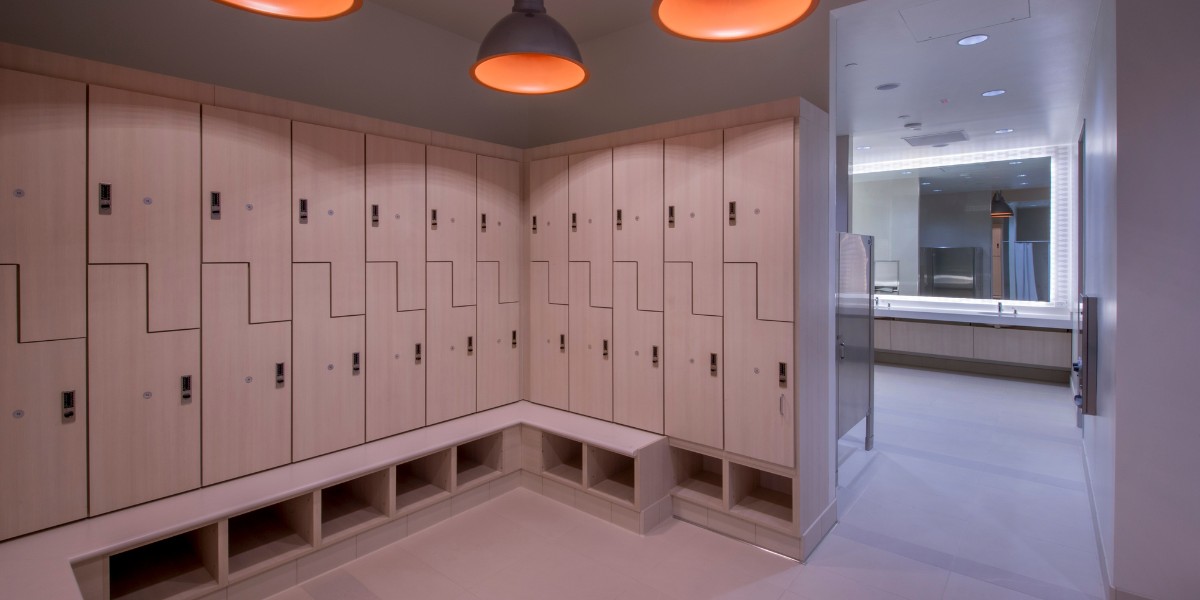
The easiest way to manage seasonal accessories without constant effort is to build a simple swap schedule tied to the school year or fiscal calendar, rather than trying to guess week to week when conditions change. Spring cleaning and back-to-school periods are natural checkpoints most facilities already observe, which makes them convenient times to also refresh locker accessories.
Storage for the off-season accessories matters too. Keep a labeled bin of winter hooks and boot trays somewhere accessible so swapping them back in each fall doesn’t require buying new ones every year. The same goes for summer ventilation inserts -store them properly during winter rather than tossing and rebuying annually.
For facilities managing a lot of units across departments, smart storage ideas with durable locker organizers can help standardize this rotation so it doesn’t fall entirely on memory or whoever happens to notice the smell first.
A little planning here goes a long way. Seasonal accessory rotation isn’t about spending more money -it’s about spending it on the right things at the right time, which keeps lockers smelling better, lasting longer, and actually getting used the way they’re supposed to be.
Not strictly required, but it helps significantly. Moisture and odor problems in summer are very different from the wet, bulky gear issues in winter, so accessories tailored to each season perform better than a one-size-fits-all setup.
Charcoal-based inserts and breathable mesh organizers tend to perform the best, since they actively absorb moisture and odor rather than just masking smell temporarily.
Odor-control inserts typically need replacing every few months with heavy use. Hooks, shelving, and organizers usually last years unless damaged, so they don’t need regular replacement.
To some extent, yes. Plastic resists moisture damage better than untreated metal, which can reduce -though not eliminate -the need for moisture-focused accessories during humid months.
Tie the swap schedule to existing checkpoints like back-to-school season or spring cleaning, and store off-season accessories in labeled bins so they’re easy to reuse the following year.
For small offices with light locker use, a full seasonal rotation may be unnecessary. A solid year-round baseline kit is often enough unless the space deals with heavy moisture or bulky seasonal gear regularly.