
If you’ve ever stood in a storage aisle trying to decide between a bank of lockers and a row of cabinets, you already know the decision isn’t as obvious as it looks on paper. Both solve the same basic problem -keeping things organized and out of the way -but they do it in very different ways. Choosing between storage lockers and cabinets really comes down to who’s using the space, how much personal storage they need, and how much security matters.
This isn’t a question with one universal answer. A school hallway, a warehouse floor, and a home office all have wildly different requirements, and what works beautifully in one setting can feel completely wrong in another.
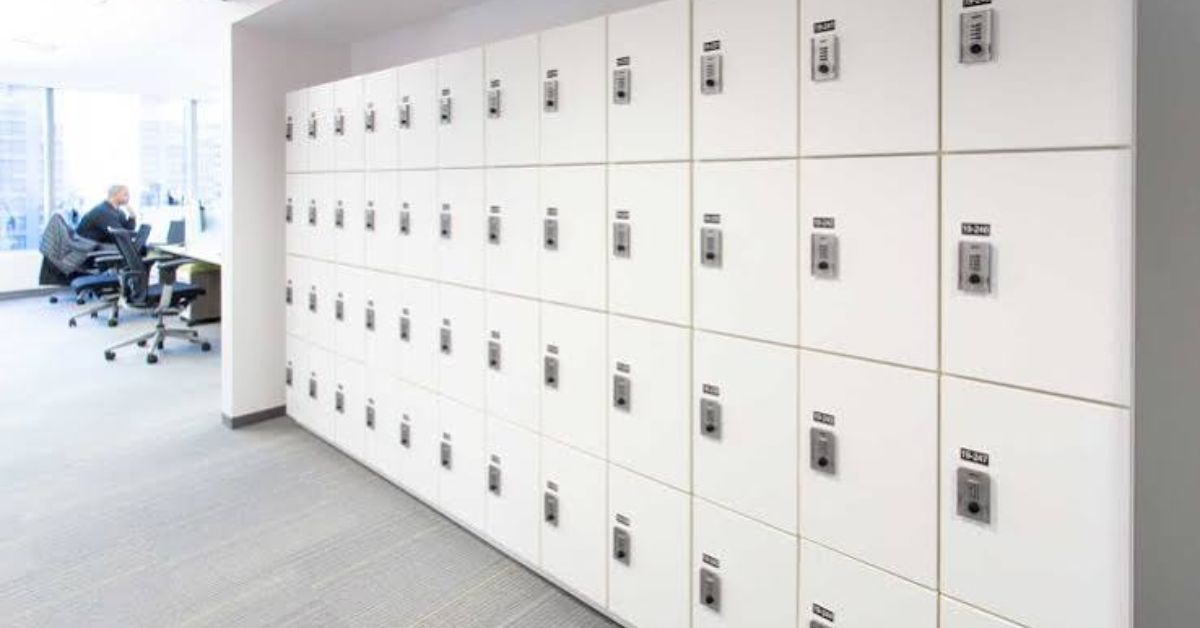
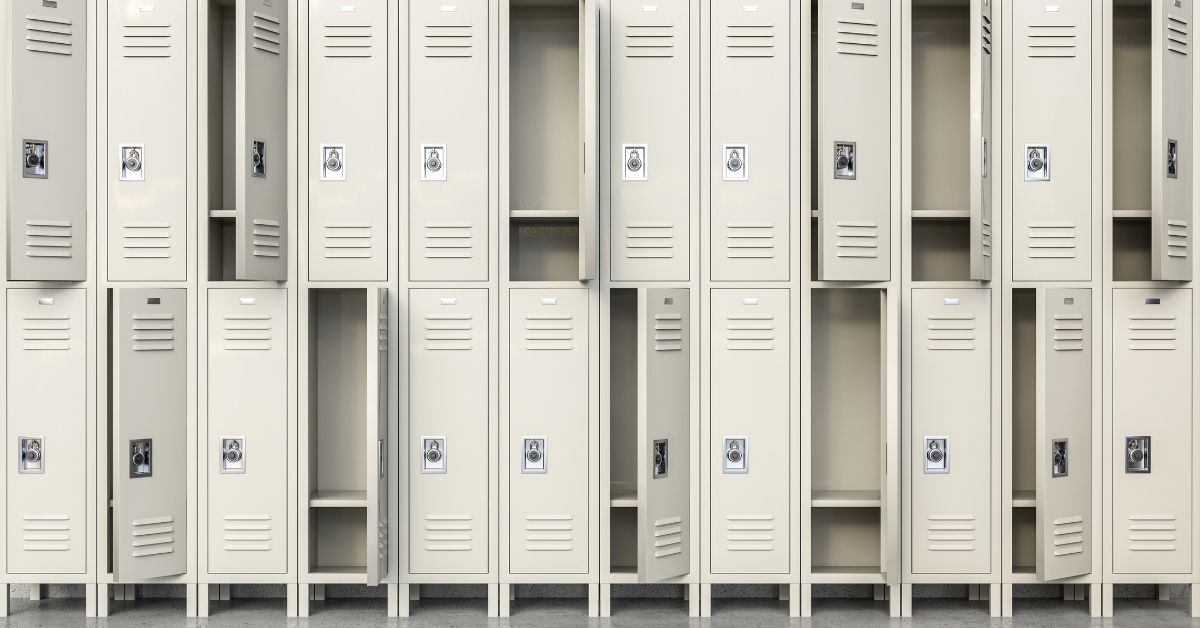
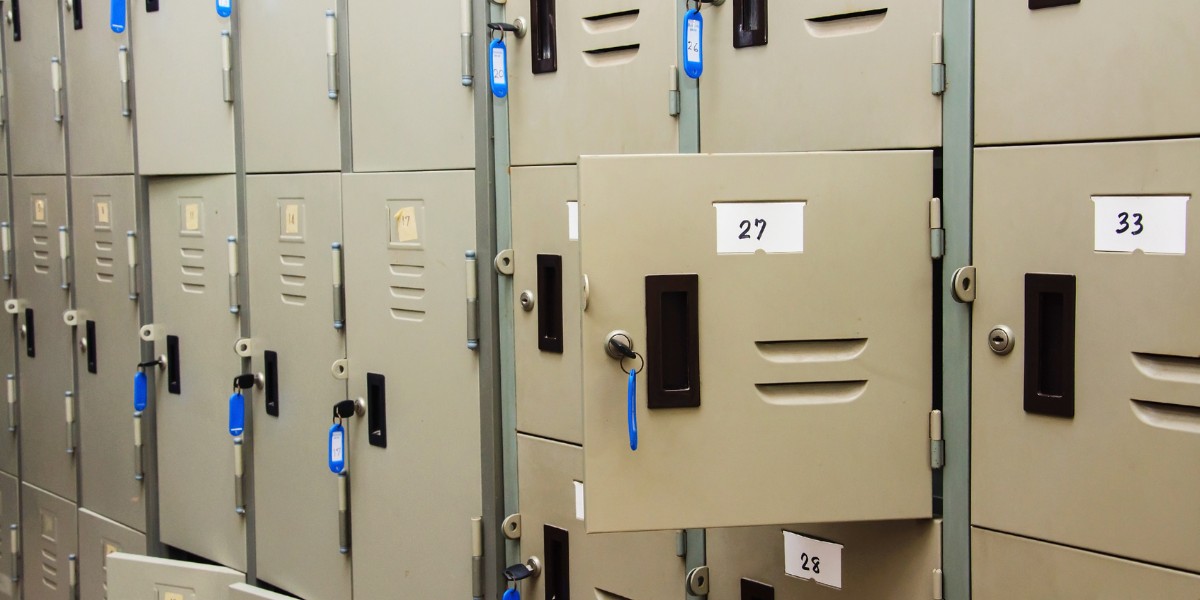
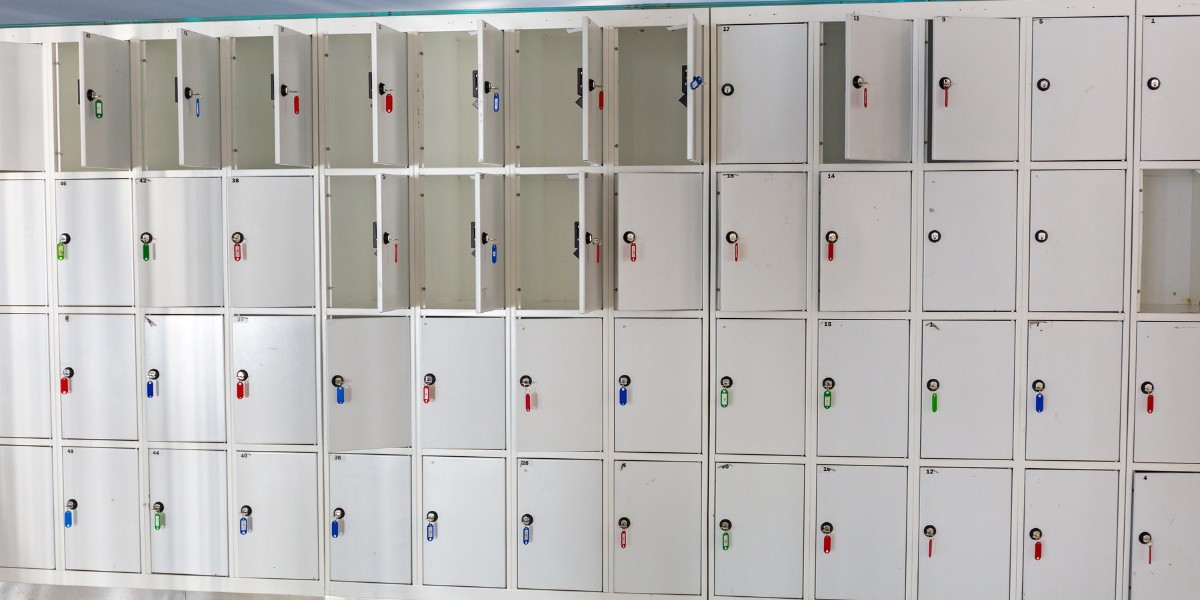
Storage lockers are built around the idea of individual ownership. Each person gets their own locked compartment, which makes lockers the obvious choice anywhere multiple people need separate, secure spots for personal items -gyms, schools, employee break rooms, even apartment package rooms.
The security angle is a big part of the appeal. A locker with its own lock means nobody else can casually open it and grab something, intentionally or not. That matters in shared environments where trust between users can’t always be assumed. If you’re trying to figure out exactly what you need, working through the ultimate guide to choosing the right storage locker for your needs is a solid starting point before comparing it to cabinet alternatives.
Lockers also tend to scale well. Need storage for fifty employees? You can install fifty individual units in a row without needing fifty separate keys floating around an office manager’s desk -most setups use master key systems or digital locks that simplify access control significantly.
Cabinets shine in single-owner or shared-access situations. If one department needs a place to store shared supplies, tools, or files that multiple authorized people access throughout the day, a cabinet usually beats a bank of individual lockers. There’s no need to manage forty different combinations when five people on a team just need access to the same shelf of supplies.
Cabinets also tend to offer more flexible interior configurations. Adjustable shelving, deeper drawers, and customizable compartments make cabinets better suited for irregularly shaped items -tools, electronics, files of varying sizes. Browsing options like the best metal cabinets for homes, offices, and garages gives a good sense of how much variety exists in this category compared to standard locker units.
Cost is another factor. Cabinets are often less expensive per unit than lockers, especially when you don’t need the same level of individual security across dozens of separate compartments.
This is where the two diverge the most. Lockers are designed around individual accountability -one person, one lock, one space. Cabinets are designed around shared or supervised access, which works fine when there’s a level of trust or oversight already built into the environment.
If your priority is making sure each person’s belongings stay separate and protected from anyone else in the building, lockers are the clear winner. Reviewing what storage lockers improve about workplace safety can clarify why so many offices choose individual units over shared cabinets, even when space is tight.
If your priority is controlling access to shared resources rather than personal belongings, a cabinet with a single lock -or no lock at all in low-risk environments -does the job without the added cost and footprint of dozens of individual compartments.
Lockers generally need more total floor space because each compartment has to be sized for an individual user, even if that person only stores a jacket and a bag most days. Cabinets can pack more storage into a smaller footprint because the interior space isn’t divided into dozens of separate, locked sections.
For facilities tight on square footage but needing serious volume, looking into choosing the right bulk storage lockers for industrial facilities versus a wall of cabinets is worth the comparison. Sometimes the answer is a hybrid: lockers near entry points for personal items, cabinets elsewhere for shared tools and supplies.
Lockers Unlimited frequently works with clients who initially assumed they needed one or the other, only to land on a mixed setup once they mapped out exactly who needed what kind of access. That combination approach often ends up more efficient than going all-in on a single storage type.
Start by asking who’s actually using the space. If it’s a rotating group of employees, students, or gym members who each need their own private spot, lockers are almost always the better fit. If it’s a smaller, more stable group sharing tools, files, or equipment, cabinets usually win on cost and flexibility.
Next, think about how often items are accessed. Lockers work well for daily personal use -coats, bags, gym clothes. Cabinets work better for less frequent access to bulkier or shared items. If you’re outfitting a larger space with varied storage needs, browsing multi-purpose storage lockers for sale built for the smart storage solution every space needs can help you see how modular options blend both approaches without forcing an either-or decision.
There’s no universally correct answer here -only the right answer for your specific space, your users, and your budget. Walk through your actual daily use case rather than defaulting to whatever’s already installed, and the right choice tends to become obvious fairly quickly.
Generally yes, especially for personal belongings. Each locker has its own dedicated lock, so access is limited to one person rather than a shared key or combination used by multiple people.
Cabinets are usually less expensive per unit, particularly when individual security isn’t required. Lockers cost more upfront but provide better accountability in multi-user environments.
Yes, and it’s actually a common approach. Many facilities use lockers for personal storage near entrances and cabinets elsewhere for shared tools, supplies, or files.
Often, yes. Cabinets typically allow adjustable shelving and varied compartment sizes, which works well for irregularly shaped or bulkier items compared to standard locker interiors.
Lockers, almost without exception. Students need individual, secure storage for personal items throughout the day, which is exactly what lockers are designed for.
Map out who needs access to what. If it’s personal belongings for many individuals, choose lockers. If it’s shared supplies for a smaller team, cabinets are usually the more practical and cost-effective choice.