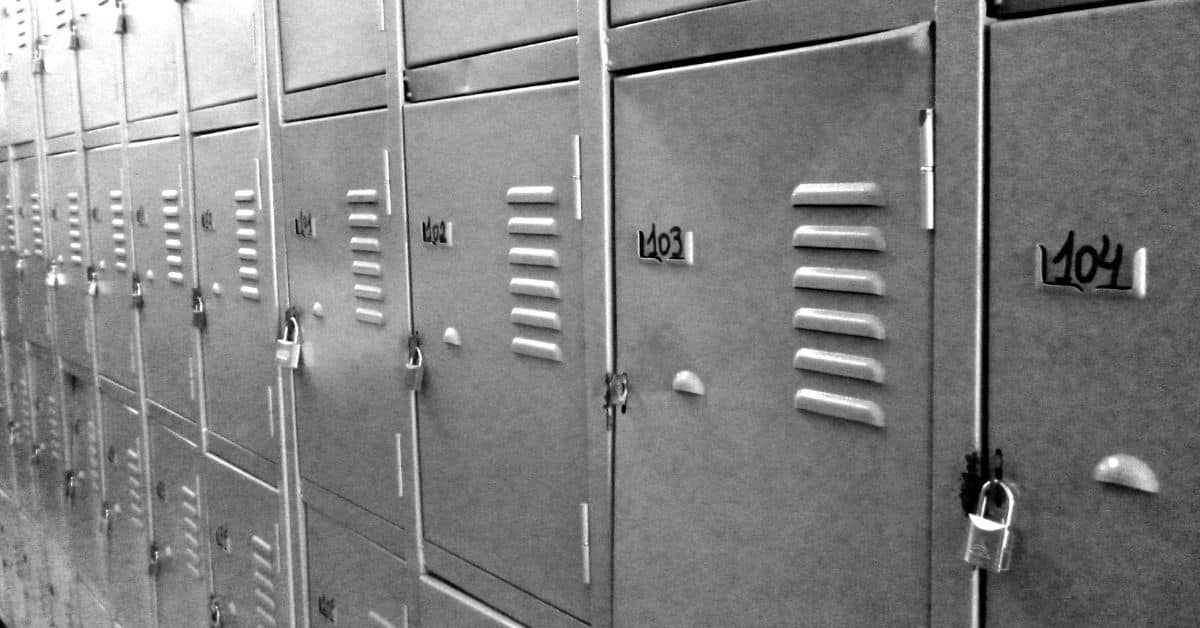


Scroll through any page of lockers for sale, and you will see the same pattern. A photo, a price, and a string of numbers and abbreviations that seems to assume you already know what they mean. Twelve by eighteen by seventy-two. One wide, two tier, six openings. Knock down, ready to assemble, grade B. If you have ever ordered the wrong size because you misread one of those lines, you are not alone.
This how-to guide teaches you to read a listing the way an experienced facility buyer does. Once you can decode the shorthand, comparing offers becomes simple, and costly ordering mistakes become much less likely.
Locker listings pack a lot of information into very little space. Suppliers use industry shorthand because it is efficient for people who buy every day. For a school administrator, gym owner, or office manager who buys lockers once every ten years, the same shorthand can feel like a foreign language.
A second problem is inconsistency. One seller lists dimensions as width, depth, then height. Another leads with height. One counts a double-tier locker as one unit, while another counts each door separately. A price that looks like a bargain per door may be higher than a competing price per column once you account for those differences.
The fix is to slow down and translate every line into plain language before comparing prices. The steps below walk you through each part of a typical listing.
Most listings show three numbers in inches. The standard order is width, depth, and overall height, often written like 12 x 15 x 72. That means a column twelve inches wide, fifteen inches deep, and six feet tall.
Always confirm which measurement is which before you plan a layout. A mistaken assumption can leave you with lockers that do not fit under a window, clear a doorway, or leave enough aisle space. For a plain language overview of what to expect, see this guide to what sizes storage lockers typically come in.
Pay attention to what the height includes. Some listings show the height of the locker body only. Others add a sloped top or a base. If your ceiling is low, a few inches can matter. Measure your space, then compare it with the overall height, not just the door height.
Remember that the usable interior is smaller than the exterior. Frames, doors, and shelves reduce the room inside. If a user needs to hang long clothing or store bulky gear, ask for the interior dimensions in writing.
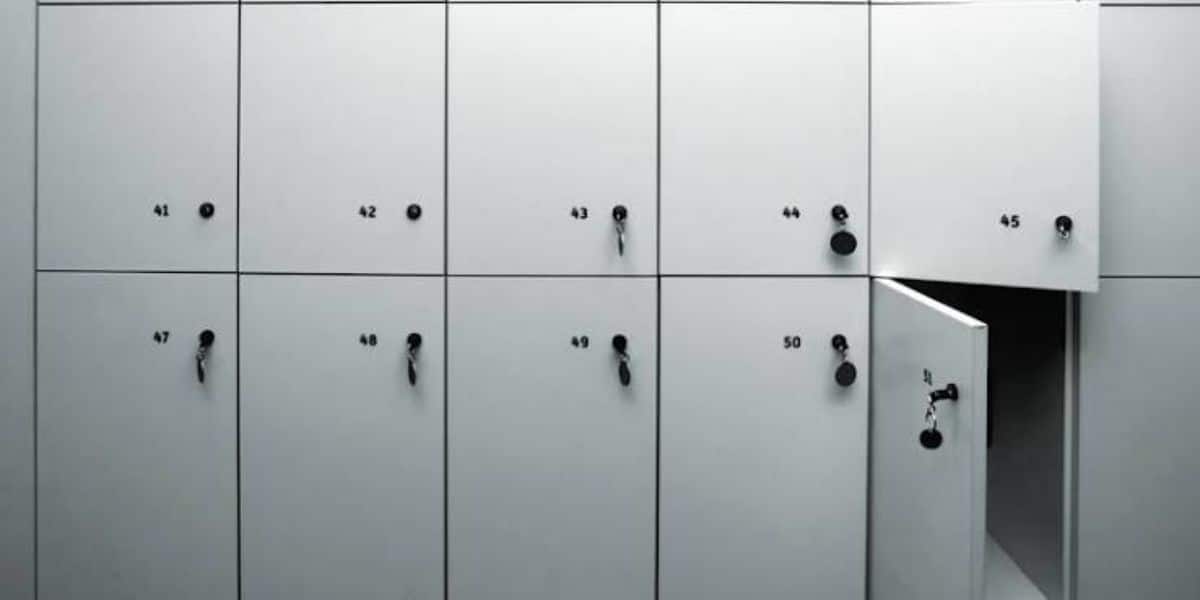
After size, the next line usually describes configuration. Single tier means one door per column. Double tier means two doors stacked in a column. Triple tier means three, and six-tier or box lockers have six or more small compartments.
The phrase that trips up buyers most is the difference between columns and openings. A bank listed as three wide with two-tier lockers has three columns and six openings. If the price says per bank, you are paying for all six. If the price says per opening, you need to multiply. Ask the seller to state both numbers so you can calculate cost per user.
Door style appears next. Solid doors offer privacy, louvered doors add ventilation, and perforated or mesh doors maximize airflow for gym and sports use. Some listings also mention recessed handles, which reduce snagging in crowded hallways. If you want help comparing options, this guide to what to look for in a locker for sale offers a useful framework.
Material is usually easy to spot. Steel, plastic, phenolic, laminate, and wood veneer each have strengths. The gauge line applies to steel and tells you the thickness of the metal. The lower the number, the thicker the steel. A door listed as sixteen gauge is thicker than one listed as eighteen.
Do not assume that thicker is always better for every use. Heavier gauge costs more and weighs more, which matters for wall-mounted or elevated installations. For ordinary hallway and locker room use, mid-range gauge with a welded frame performs well. For heavy industrial or high abuse areas, thicker material is worth the added cost.
Finishes matter too. Powder coat is the common choice because it resists chipping and cleans easily. Some listings mention baked enamel, which is also durable but may scratch more easily. If a listing does not say what coating is used, ask. It affects how the lockers look after years of daily handling.
Hardware often decides whether lockers feel sturdy or flimsy, yet it receives the least space in a listing. Look for hinge type, latch style, and lock provision.
Common lock options include a built in combination lock, a padlock hasp, a key lock, or a prepared opening for a future electronic lock. Each has tradeoffs for cost, convenience, and security. This overview of the best locks for lockers explains the main choices.
Check whether locks are included or sold separately. A low unit price that leaves out locks, number plates, and hooks may end up costing more than a complete package. Ask what accessories come standard and what costs extra.

If you expect to repair lockers over many years, ask whether spare parts are available. Understanding locker parts and why they matter for longevity helps you buy a product you can maintain rather than replace.
Used and refurbished lockers often carry a condition grade, such as A, B, or C. There is no universal standard, so the same grade can mean different things at different companies. Ask for a written definition. A common pattern is that grade A shows minimal wear, grade B has visible cosmetic marks but sound function, and grade C may need repairs or repainting.
Photos help, but they can mislead. A single image of one locker does not tell you about the other forty in the lot. Ask whether photos show the actual units you will receive or a sample. If possible, request additional pictures of the base, the hinges, and the inside of a few doors, because those are common wear areas.
Pay attention to what the listing says about color. Used lockers frequently come in mixed colors unless a seller specifically groups them. If you need a uniform look, confirm that your order will match.
Lockers ship either assembled or knock down. Assembled lockers arrive ready to place, but they take more freight space and cost more to ship. Knock-down lockers arrive flat in boxes, which lowers shipping cost but requires assembly time on site.
If you plan to assemble them yourself, budget for labor and tools. A single column is simple, but a large installation can take days. If you prefer to avoid that work, ask about professional help. This step by step guide to installing new lockers shows what the process involves.
Do not forget delivery logistics. Ask whether delivery is curbside or inside, whether a liftgate is available, and who unloads the truck. These details rarely appear in a listing but can create real headaches on delivery day.
Before you buy, write down answers to these questions for every listing you consider. What are the exact width, depth, and height, and are they exterior or interior? How many columns and how many openings are included? What material, gauge, and finish are used? Which locks and accessories are included? What is the condition grade, and what does it mean? Are the lockers assembled or knock-down? What are the freight, delivery, and installation costs? What is the warranty, and what is the return policy?
Put the answers side by side for two or three suppliers. Differences that were invisible in the original listings often jump out immediately, and the best value usually becomes clear.
A good supplier translates the listing for you. They confirm measurements, explain tradeoffs, and flag problems before you order. Lockers Unlimited helps schools, gyms, and businesses choose the right lockers for sale based on how they will actually be used, not just what appears on a product page.
When you are ready to compare real options, browse the current selection of lockers for sale and use the worksheet above to review each one.
Reading a locker listing is a skill you can learn in an afternoon. Decode the size, tier, material, hardware, condition, and freight details, and you will compare offers with confidence. The reward is a purchase that fits your space the first time, arrives on schedule, and serves your users for many years.
1. How do I know which locker dimension is width, depth, or height?
Most listings follow width, depth, then height in inches. Always confirm with the seller in writing, since some companies list height first or include the sloped top in the total.
2. What does double tier mean in a locker listing?
Double tier means two doors stacked in one column. A bank of three columns with double-tier lockers has six openings, so check whether the price covers columns or openings.
3. Are lockers for sale usually sold with locks included?
Not always. Some listings include built-in combination locks, while others sell locks separately. Confirm what is included, because missing hardware can add noticeably to your total cost.
4. What is the difference between assembled and knock down lockers?
Assembled lockers arrive ready to install but cost more to ship. Knock down lockers arrive flat for lower freight cost, but someone must assemble them before installation.
5. How should I compare condition grades on used lockers?
Ask each seller for a written definition of its grades and request photos of the exact units. Grade labels vary by company, so never compare letters without comparing descriptions.