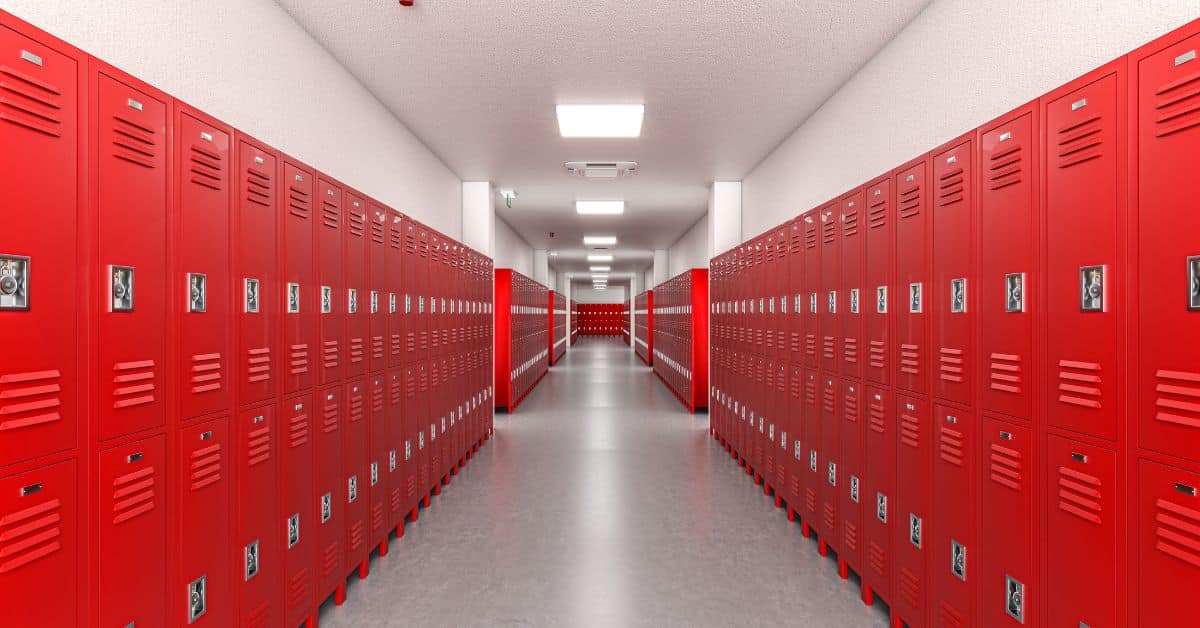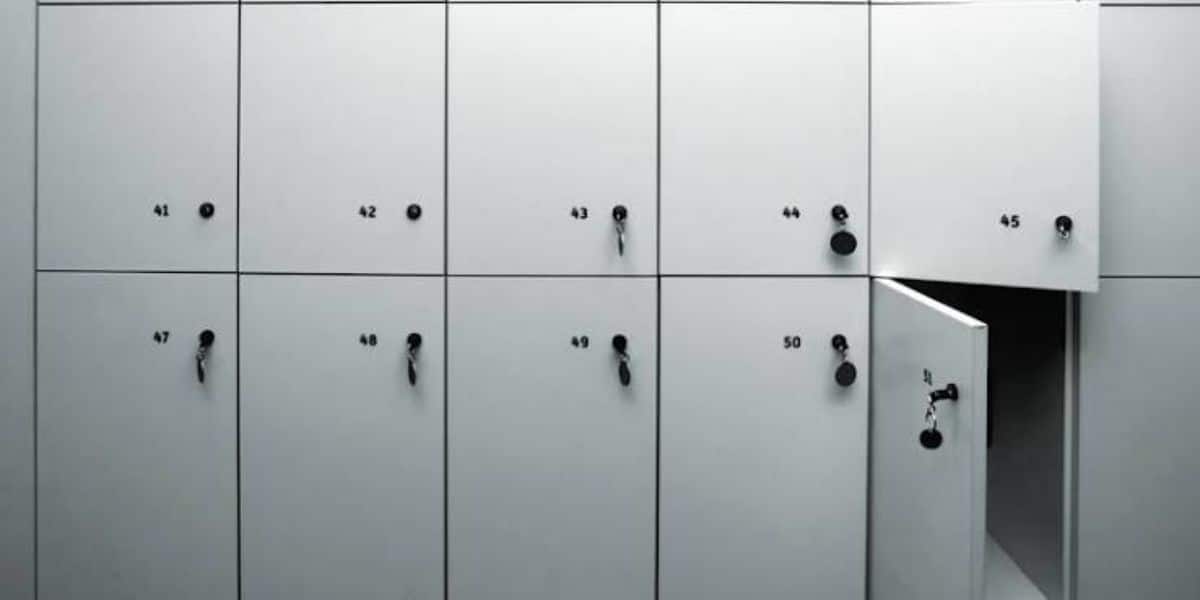

Choosing a locker style is the fun part of a school facilities project. Actually buying the lockers is where budgets get stretched, schedules slip, and surprise charges appear. Administrators who handle the purchase well usually share one habit: they treat it like a procurement project, not a catalog order. They count what they need, set a budget early, compare quotes carefully, and lock down delivery and installation in writing.
If your school or district is preparing to buy metal school lockers, this guide walks through the purchasing process from first count to final walkthrough. It focuses on the business side of the decision, so you can protect your budget and your timeline.
The most expensive mistake in any locker purchase is ordering the wrong quantity. Before you contact a single supplier, walk the building and document what you have and what you need.
Count every existing locker bank, and note its condition. Record how many units are damaged, how many are missing locks, and how many are sitting unused. Then count students by grade and by building. Add a buffer of three to five percent for enrollment growth, and note any special programs such as athletics, music, or career technical classes that need oversized storage.
Take photographs and measurements of each hallway. Include door swings, water fountains, fire extinguisher cabinets, and electrical panels, because these affect where lockers can be placed. Many districts also review whether their current lockers are worth keeping. This guide on when to replace old school lockers can help you decide which banks to retire and which to keep.
A clear audit gives suppliers the information they need to quote accurately. It also prevents change orders later, which are one of the main reasons projects go over budget.
A locker purchase is rarely funded by a single line item. Districts pull from capital budgets, facilities reserves, bond measures, grants, and sometimes parent organizations. Knowing where the money comes from shapes your timeline, because each source has its own approval process.
Build your budget from the audit. Multiply the number of lockers by an expected unit price, then add delivery, installation, removal of old units, locks, accessories, and a contingency of ten percent. That contingency covers problems that show up once old lockers come off the wall, such as damaged flooring or patching that needs to be done.
Ask suppliers for budget ranges early. Most will provide rough pricing before you finalize specifications. Presenting an accurate number to your board or business office builds trust and avoids returning for additional funds midway through the project.
Two quotes for the same number of lockers can differ by thousands of dollars, and the lowest price is not always the best deal. The reason is that suppliers package costs differently. One includes delivery and installation, while another lists them separately or leaves them out entirely.
Create a simple comparison sheet. List each supplier down the side and these items across the top: unit price, total quantity, color options, lock type, delivery charge, installation charge, removal of old lockers, warranty length, estimated lead time, and payment terms. Fill it in from each quote, and mark any item that is missing.
Pay attention to specifications. Confirm that every supplier is quoting the same locker size, the same configuration, and the same hardware. If one quote uses a thinner door or a simpler latch, it may look cheaper while delivering less. Ask each supplier to confirm the specifications in writing.
For a broader view of how institutions evaluate options, this buyers guide to commercial lockers for schools and businesses offers helpful background.
Quantity affects price, and school buyers have several ways to use that to their advantage.
Bulk orders usually lower the cost per locker. If you have several buildings that need new lockers within a few years, consider bundling them into one purchase or one agreement. Suppliers often offer better pricing when they can plan production and delivery together.
Phased orders spread cost across budget cycles. A district might replace the high school this summer, the middle school next summer, and elementary buildings after that. The downside is that prices can change between phases, so ask whether a supplier will hold pricing for later orders.
Cooperative purchasing agreements allow public schools to buy through contracts that have already been bid. If your district participates, ask whether your supplier is available through those programs.
Many public entities also have bid requirements. Check your district policy to learn the dollar threshold that triggers formal bidding, and the timeline that comes with it. Starting early prevents a rushed purchase that costs more.
Most school installations happen during summer break, which creates a narrow window. If lockers arrive late, the work either spills into the new school year or gets postponed entirely.
Work backward from your target completion date. Subtract installation time, then subtract delivery time, then subtract production lead time. The result is the latest date you can place your order. Many districts discover that this date arrives in the spring, much earlier than expected.
Ask suppliers about stock lockers versus made-to-order lockers. Standard sizes and colors often ship faster, while custom colors and special dimensions take longer. Confirm in writing when your order will ship, where it will be delivered, and who will unload it. A pallet of lockers is heavy, and your loading dock may not be ready for it.
Storage plan as well. If delivery arrives before installers do, you need a secure, dry place to keep the boxes.
Installation is where good purchases succeed or fail. A supplier who delivers perfectly but offers no installation help can leave your facilities team with a mountain of work. Decide early whether installation will be handled by the supplier, by a separate contractor, or by your own staff.
Whichever route you choose, put the details in writing. The contract should state who removes old lockers and hauls them away, who handles wall or floor repair, how lockers will be anchored, and how final leveling will be checked. It should also specify the work schedule, including whether crews will work evenings or weekends to meet your deadline.
Learn about typical pitfalls by reviewing common locker installation mistakes and how to avoid them. Many of them come down to poor planning, and a clear contract prevents most of them.
A warranty is only useful if you understand what it covers. Ask how long the coverage lasts, what parts are included, and who pays for labor when a repair is needed. Some warranties cover the frame for decades but cover hardware for only a year or two. Others exclude damage from misuse, which can be hard to separate from normal wear in a school.
Also ask about support after the sale. Can you order replacement locks, hinges, and number plates in the future? Is there a contact person who answers questions? Schools often need spare parts years after installation, and a supplier who stays available saves money and frustration.
Keep documentation. Save the quote, specifications, delivery receipts, and warranty paperwork in a shared folder so future administrators can find them.
A few warning signs appear again and again in troubled purchases. Be cautious when a supplier refuses to put specifications in writing, pushes you to sign quickly, or offers a price far below every other quote. Be wary of vague delivery promises and quotes that leave out installation or removal without explaining why.
Another red flag is a supplier who has never worked in schools. Security needs, schedules, and safety rules are unique in education, and experience matters. This overview of which school lockers offer the most security shows the kind of knowledge a good partner should bring to the table.
If budget is tight, consider quality refurbished units for some areas. Reviewing used school lockers for sale can reveal significant savings, as long as you inspect carefully before agreeing.
The right supplier acts like a partner. They help you audit your needs, explain options clearly, provide transparent quotes, and stand behind delivery and installation. Lockers Unlimited works with schools, gyms, and businesses on projects of every size, and can walk you through each step of the purchase so there are no surprises.
When you are ready to move forward, you can buy metal school lockers by reviewing the full selection and requesting a quote based on your audit and timeline.
Buying metal school lockers is easier when you treat it as a project with clear steps. Audit your needs, set a realistic budget, compare quotes line by line, plan around your summer deadline, and put installation and warranty terms in writing. Do that, and you will end up with lockers that arrive on time, fit your hallways, and serve students well for years.
How much should a school budget to buy metal lockers?
Budget depends on size, quantity, and finish, so start with an audit and request quotes. Add delivery, installation, removal of old units, and about ten percent for unexpected costs.
How far in advance should a school order lockers?
Order at least three to four months before installation, longer for custom colors or large quantities. Many districts place orders in spring so lockers arrive before summer work begins.
Is it cheaper to buy lockers in bulk?
Usually yes. Larger orders lower the cost per locker and simplify delivery. Phased purchases spread cost over time but may face price changes between orders.
What should a locker quote include?
A complete quote lists unit price, quantity, size, hardware, delivery, installation, removal of old lockers, warranty terms, and lead time. Missing items often become costly surprises later.
Do schools need to bid when buying lockers?
It depends on district policy and local law. Many public schools must bid above a certain dollar amount, so check your threshold early and allow time for the process.