Choosing the ideal gym storage lockers can transform member satisfaction, streamline operations, and protect valuables from theft or damage. Many facilities struggle with rusted cabinets, water-damaged compartments, or outdated locking systems that compromise security and hygiene. This guide delivers actionable tips on selecting the best materials, locking mechanisms, sizes, configurations, features, and installation practices for gym lockers, while highlighting industry trends and how Lockers Unlimited brings unrivaled durability and customization to every project. You will learn:

Choosing the right material for gym lockers ensures durability, hygiene, and cost efficiency over years of daily use. Each material steel, plastic, wood/laminate, phenolic, delivers distinct benefits in strength, moisture resistance, aesthetics, and fire safety. Understanding these properties helps facility managers invest in lockers that meet security and maintenance goals.
Below is a comparison of core locker materials with their key attributes and benefits.
The choice of material significantly impacts the durability, hygiene, and cost-effectiveness of gym lockers. Steel offers high strength and vandal resistance, while plastic (HDPE) provides water and humidity resistance. Wood/laminate offers aesthetic appeal, and phenolic lockers enhance hygiene and fire resistance due to their antimicrobial surfaces and fire ratings. This research supports the article’s discussion on the importance of selecting appropriate materials for gym lockers based on their specific properties and benefits.
Steel lockers excel when vandal resistance and load-bearing capacity are critical. Examining moisture and hygiene factors leads us into the next discussion on how metallic finishes stand up against corrosion in high-traffic gyms.
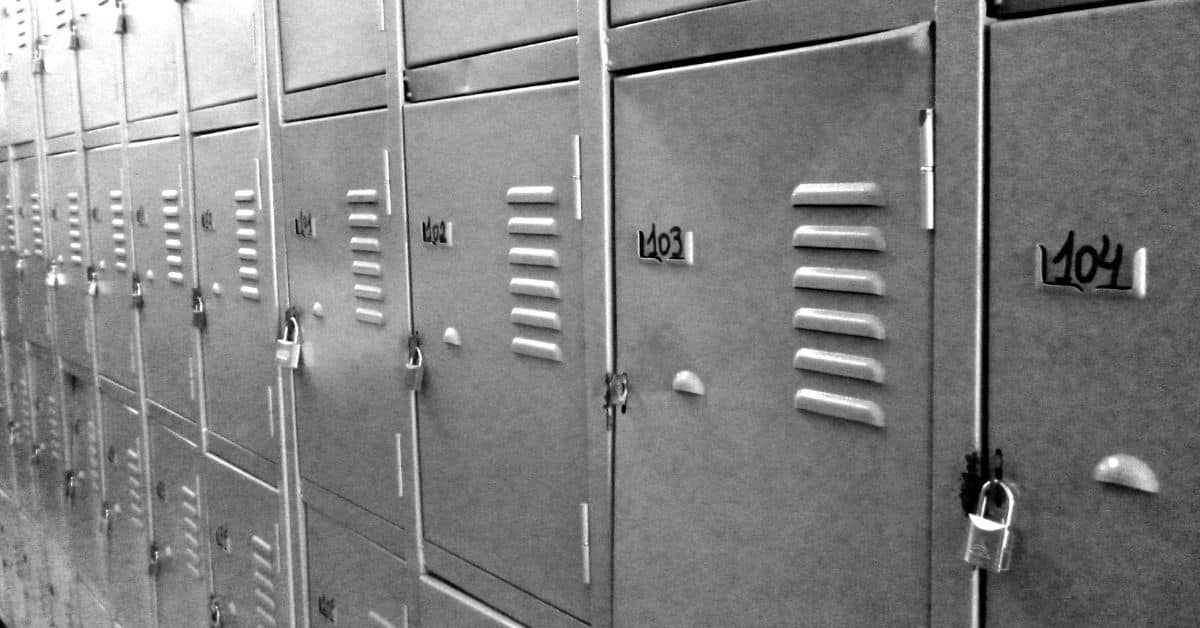
Metal gym lockers deliver outstanding durability and theft prevention through robust steel construction and rust-resistant powder coats. The galvanized or zinc-coated steel panels resist dents and cut attempts, while welded seams maintain structural integrity under heavy use. For busy fitness centers, metal lockers provide a proven security backbone that minimizes maintenance costs and keeps lockers looking new for years.
Plastic gym lockers provide waterproof storage solutions by using high-density polyethylene that resists moisture, mildew, and UV fading. The non-porous surface prevents water intrusion, making HDPE lockers ideal for poolside, sauna, or outdoor applications. Their corrosion-free design eliminates rust-related breakdowns and simplifies cleaning protocols, ensuring locker rooms remain hygienic and odor-free.
Wood and laminate gym lockers combine premium aesthetics with practical performance through durable composite cores and decorative veneers. These lockers enhance brand identity in boutique studios, offering color-matched finishes and seamless edge banding that withstand frequent cleaning. Hygienic coatings on laminate surfaces resist mold growth and graffiti, supporting both form and function in high-end environments.
Phenolic lockers provide a hard, non-porous surface infused with antimicrobial resins that inhibit bacterial growth and resist stains. Their solid phenolic panels meet stringent fire codes with a Class A fire-rated core, making them a top choice for schools and hospitals. The seamless construction sheds moisture and cleaning chemicals, delivering long-term hygiene performance where sanitation is paramount.
Selecting the right locking mechanism balances security, user convenience, and cost. Options range from traditional mechanical locks to advanced RFID systems. Facilities should evaluate usage patterns, maintenance capacity, and audit requirements when choosing between key cams, combination dials, digital keypads, RFID, or coin-operated units.
Selecting the right locking mechanism balances security, user convenience, and cost. Options range from traditional mechanical locks to advanced RFID systems. Facilities should evaluate usage patterns, maintenance capacity, and audit requirements when choosing between key cams, combination dials, digital keypads, RFID, or coin-operated units. This citation provides context for the different locking mechanisms and their benefits, which is relevant to the article’s discussion on choosing the right locking mechanism.
Consider the following lock types and their primary benefits:
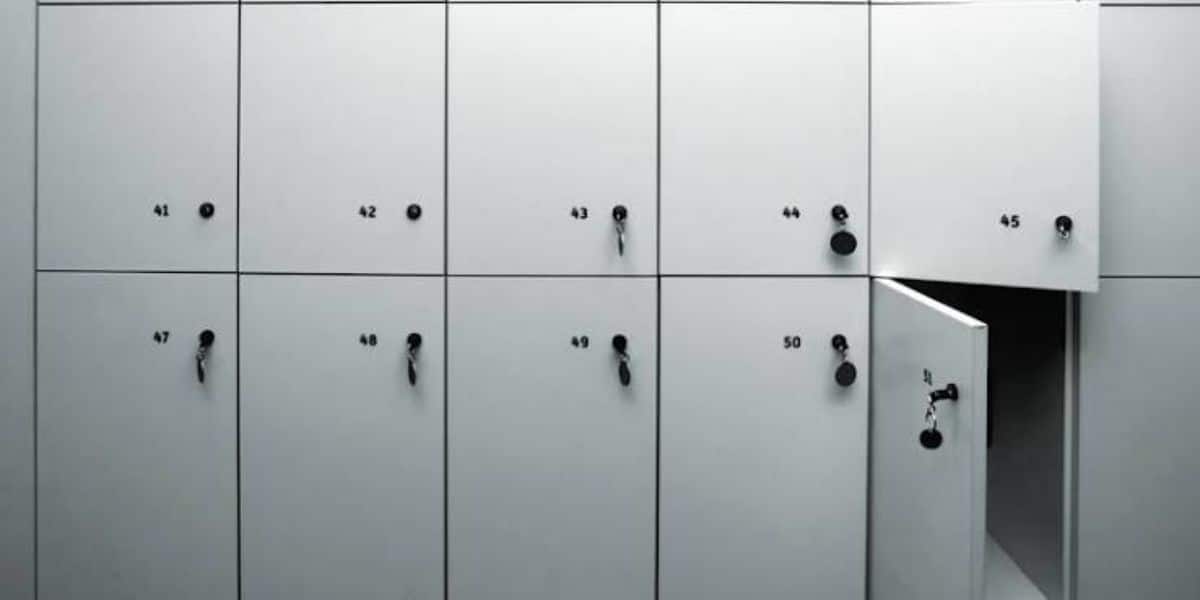
Traditional key locks secure locker doors with mechanical cam systems, offering a straightforward, low-maintenance solution. Each lock uses a unique key to engage or disengage a locking cam behind the door. These locks suit facilities that prefer physical key control, cost-effective replacement, and minimal technology dependencies.
Combination locks deliver keyless entry by requiring users to enter a preset or programmable code on a mechanical or digital dial. This system eliminates the expense of key replacement, reduces lock-out incidents, and provides easy reprogramming when codes need to be updated. Combination locks suit mid-size gyms seeking self-service convenience without electronics.
Digital and RFID locks improve gym locker security through encrypted codes, user authentication, and electronic audit trails. Members scan RFID cards or enter personal PINs, while administrators manage access rights remotely. These systems report usage logs, prevent unauthorized duplication, and integrate with facility management software to enhance operational oversight.
Coin-operated locks charge a refundable deposit per use, ensuring lockers are vacated and available on demand in public or pay-per-visit gyms. The mechanism releases the key upon deposit and returns coins when the key is returned. Coin-operated units support revenue streams and prevent long-term locker occupation, optimizing turnover in high-traffic venues.
Determining locker dimensions and tier arrangements aligns storage capacity with user needs and spatial constraints. Single-tier lockers accommodate large items like backpacks, while multi-tier banks maximize unit count in limited footprints. Facilities must also factor in ADA compliance and bench placement when planning locker room layouts.
Matching locker size to item volume prevents wasted space and overcrowding, which leads into how tier levels impact overall capacity.
Locker tiers divide the vertical space into multiple compartments, double, triple, or four-tier configurations to increase unit density. Single-tier lockers offer maximum internal volume, double-tier units balance size and capacity, and triple or box-style tiers maximize slot counts in high‐turnover areas.
Efficient locker room design promotes smooth traffic flow, ADA compliance, and user comfort. Key guidelines include aligning corridors at least 36 inches wide, installing benches between locker banks for dressing, and reserving end-of-row ADA-height lockers with accessible door hardware. Proper planning ensures safety, convenience, and regulatory adherence.
Beyond core materials and locks, ventilated panels, antimicrobial coatings, and locker accessories boost hygiene and personalization. Facilities can adapt locker interiors and exteriors with shelves, hooks, number plates, mirrors, and dry-erase boards to meet diverse user preferences.
Ventilation grilles or perforations in locker doors promote continuous airflow, preventing mold and odor buildup from wet towels and sweaty apparel. Proper ventilation supports drying, reduces cleaning frequency, and enhances member satisfaction by maintaining fresh locker interiors.
Antimicrobial coatings infused with silver ions or copper compounds inhibit bacterial growth on locker surfaces. This protective layer reduces surface contamination, lowers infection risk, and extends time between deep-cleaning cycles, which is critical in shared locker environments.
Essential locker accessories include adjustable shelves for shoe and accessory organization, coat hooks for hanging jackets, numbered plates for easy identification, interior mirrors for grooming, and dry-erase boards for personal notes. These add-ons boost storage flexibility and convenience.
Color-matched powder coats, logo engraving, and custom finishing options enable gyms to reinforce branding and create cohesive facility aesthetics. Custom benches, locker numbering systems, and themed perforation patterns align locker rooms with overall gym décor and member expectations.
Gym lockers come in standard, multi-tier, smart, and fully customized models to suit varied facility needs. Understanding the distinctions among these types helps buyers match lockers to user demographics, security protocols, and budget.
Standard single-tier lockers offer maximum storage volume per unit, while multi-tier banks (double, triple, box) increase locker counts in limited space. Multi-tier arrangements are popular in school gyms and employee wellness centers where rapid turnover and economy of space are priorities.
Smart lockers integrate electronic locks, touchscreen interfaces, and network connectivity to support keyless entry, remote management, and real-time usage tracking. These solutions enhance security by disabling lost credentials immediately and generating audit logs for facility operators.
Custom gym storage lockers address unique spatial constraints, branding goals, and specialized storage requirements. Facilities with unconventional layouts, specific color schemes, or specialized equipment can benefit from tailored locker dimensions, materials, and accessory integration.
Professional locker installation safeguards structural stability, warranty validity, and user safety. Expert installers ensure level alignment, secure anchoring, and seamless integration with flooring and benches.
Professional installation guarantees precise assembly, proper anchoring to walls or floors, and compliance with building codes. Certified installers minimize damage risks, preserve manufacturer warranties, and reduce downtime during installation.
Preparation steps include clearing installation zones, verifying floor and wall integrity, marking bench and aisle locations, and confirming ADA placement needs. Early coordination with project managers accelerates delivery and installation timelines.
The global gym locker market is growing at an estimated 6% CAGR, driven by fitness center expansion, corporate wellness programs, and boutique studio openings. Sustainability, antimicrobial surfaces, and smart security options are shaping new purchases.
Rising demand for health-and-fitness services has spurred a surge in locker room upgrades. Growth is strongest in North America and Europe, with gyms investing in premium materials and digital access systems to differentiate member experiences.
Emerging technologies include biometric fingerprint scanners, smartphone-based access apps, and cloud-managed RFID networks. These innovations enable frictionless entry, usage analytics, and enhanced loss prevention in modern fitness facilities.
Sustainable materials like recycled HDPE, low-emission powder coatings, and recyclable phenolic compounds align with corporate ESG goals. Antimicrobial surfaces meet heightened sanitation standards, making eco-friendly lockers a preferred choice for forward-looking operators.
Lockers Unlimited has delivered tailored storage solutions since 1992, combining expert project management, extensive product variety, and white-glove customer service. With quality craftsmanship and rapid lead times, every gym locker installation meets rigorous performance standards.
Our lockers are built from heavy-gauge steel, marine-grade phenolic, and UV-stable HDPE to suit any environment. Custom color matching, logo engraving, and modular accessories allow gyms to reinforce brand identity and adapt lockers to evolving needs.
We assign a dedicated project specialist who guides facility managers through planning, 3D layout assistance, material selection, and on-site installation. Transparent pricing, regular status updates, and post-installation inspections ensure a seamless experience.
Lockers Unlimited has outfitted championship stadiums, corporate wellness centers, and university fitness facilities with tailored locker systems that improved security, hygiene, and space utilization. Facilities report up to 40% fewer maintenance calls and 25% higher member satisfaction after upgrade.
Choosing the right gym lockers involves evaluating material properties, locking options, dimensions, hygiene features, and professional installation services. By following these top tips and partnering with Lockers Unlimited, facility managers can enhance security, streamline maintenance, and reinforce brand identity. Explore our full range of gym storage lockers at Lockers Unlimited and request a personalized quote to start your upgrade today.