
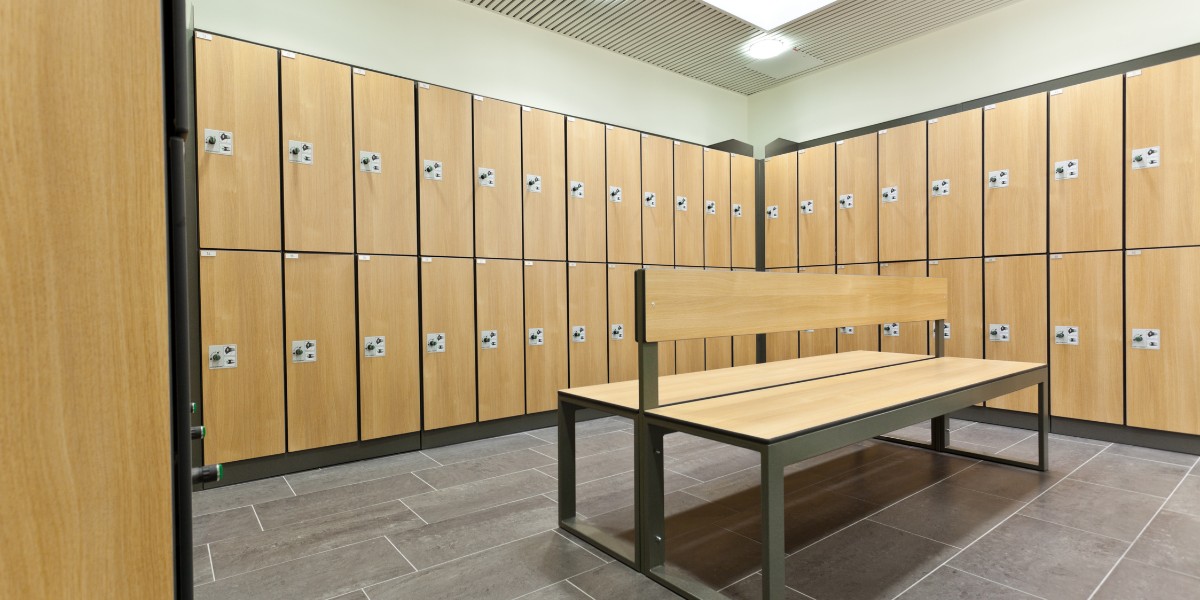
A busy gym locker room puts more stress on its furniture than almost any other space in a building. Members sit down wet, drop weights nearby, and cycle through the space dozens of times a day. Locker room benches take the brunt of that traffic, and picking the wrong ones means constant repairs, wobbly seating, and members who just stand instead of using them at all. Here’s what actually matters when you’re outfitting a high-traffic facility.
Before looking at materials or styles, think through the daily flow of your locker room. How many people move through during peak hours? Is the bench area also where people tie shoes, dry off, or set down gym bags? A small boutique studio with 20 members a day has very different needs than a 24-hour fitness chain with hundreds of daily visitors.
High-traffic spaces need benches that can take repeated weight-bearing use without loosening at the joints. Cheaper benches often use lightweight frames that seemed fine in a showroom but start wobbling within months once real gym traffic hits them. If you’re unsure what specs matter for your specific setup, the breakdown in locker room benches: types, materials, what to look for is a solid starting point before you commit to an order.
Three materials dominate the gym locker room bench market, and each comes with tradeoffs:
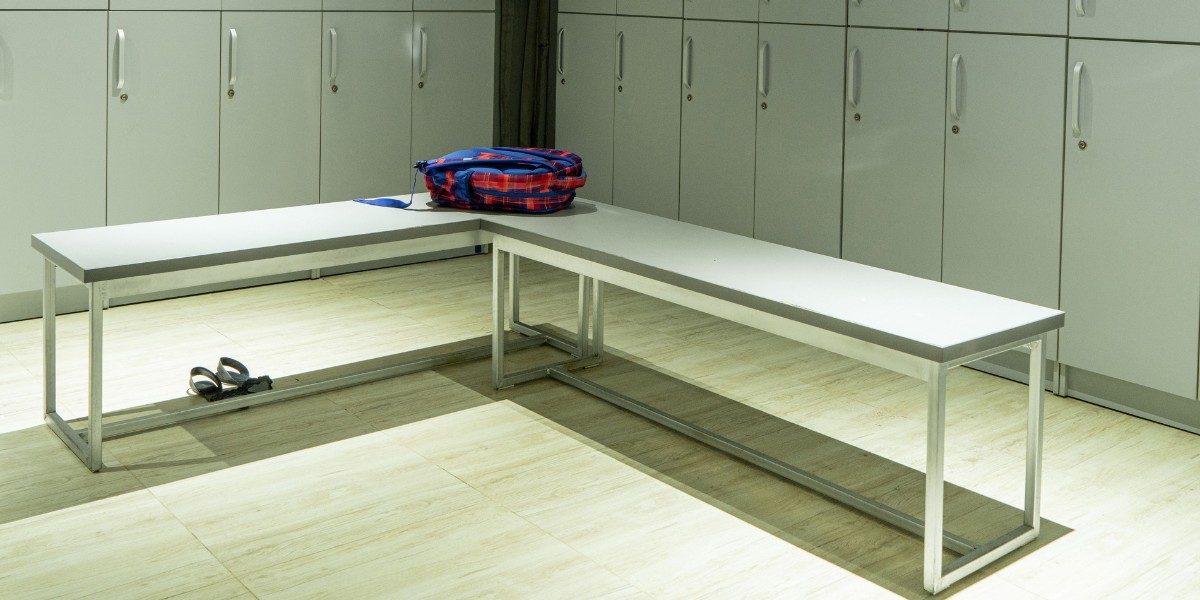
For facilities dealing with pool decks, wet showers, or high humidity, phenolic-topped benches tend to outlast the alternatives by years. Wood can still work well in drier climate-controlled gyms, but it’s rarely the right call for anything near water.
Any commercial locker room needs at least some seating that meets ADA accessibility standards, and this is one area where cutting corners creates real liability. ADA-compliant benches typically require specific seat heights, weight capacities, and clearance space around them for wheelchair access.
Many facilities make the mistake of assuming standard benches are “close enough.” They aren’t, and inspectors will catch it. If you’re not sure what your locker room currently has, it’s worth reviewing options built specifically to standard, like the ones covered in buy durable and affordable ADA locker room benches online, before your next facility audit.
Bench length affects how many people can use the space at once without crowding each other. A single long bench often works better in high-traffic areas than several short ones, since it reduces the number of legs and end supports that can wear out or get bumped loose over time.
Spacing matters just as much. Benches placed too close to locker banks create bottlenecks during peak hours when multiple people are getting dressed at once. A good rule of thumb is leaving at least 36 inches of clearance in front of any bench row so people can move around someone who’s sitting down without squeezing past.
A few construction details separate a bench that lasts five years from one that lasts fifteen:
Look at how the legs attach to the frame. Welded steel legs hold up far better than bolted ones in high-moisture, high-traffic settings, since bolts can loosen with repeated impact and vibration. Check the edge finishing on the seat surface too – rounded, sealed edges resist chipping and splintering better than sharp-cut laminate edges that see constant contact from bags and towels.
At Lockers Unlimited, we’ve found that facilities investing a bit more upfront in commercial-grade construction save significantly on replacement costs within just a couple of years, especially in gyms running at or near capacity most of the day. It’s a pattern echoed in why investing in high-quality locker room benches pays off long term, which breaks down the actual cost difference over a multi-year period.
Benches don’t have to be purely functional. Many facilities now order custom colors, finishes, or even branded plates on their bench frames to match the overall gym aesthetic. This matters more in boutique fitness spaces where the locker room is part of the member experience, not just a functional afterthought.
If branding and style matter for your space, it’s worth looking at how other facilities have approached this in custom lockers and benches: match style, branding, and functionality, which shows how far customization options have come without sacrificing durability.
Even the best benches need some upkeep. Wipe down surfaces regularly to prevent grime buildup in seams, and check hardware every few months for loosening, especially in busy gyms where benches see constant weight-bearing use. For ADA-compliant units specifically, cleaning routines matter for both hygiene and longevity, something covered in more detail in how to clean and maintain ADA changing room benches.
Choosing the right bench setup isn’t just about furniture. In a high-traffic gym, it directly affects how smoothly your locker room functions during the busiest parts of the day. Getting the material, spacing, and compliance details right the first time saves you from a disruptive mid-year replacement.