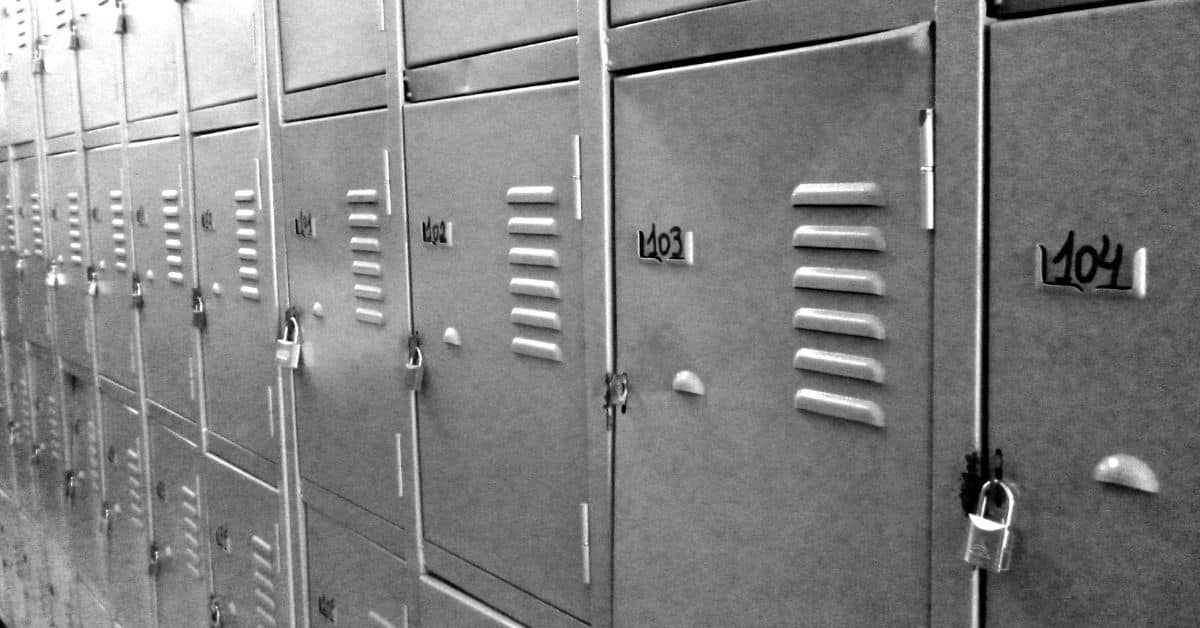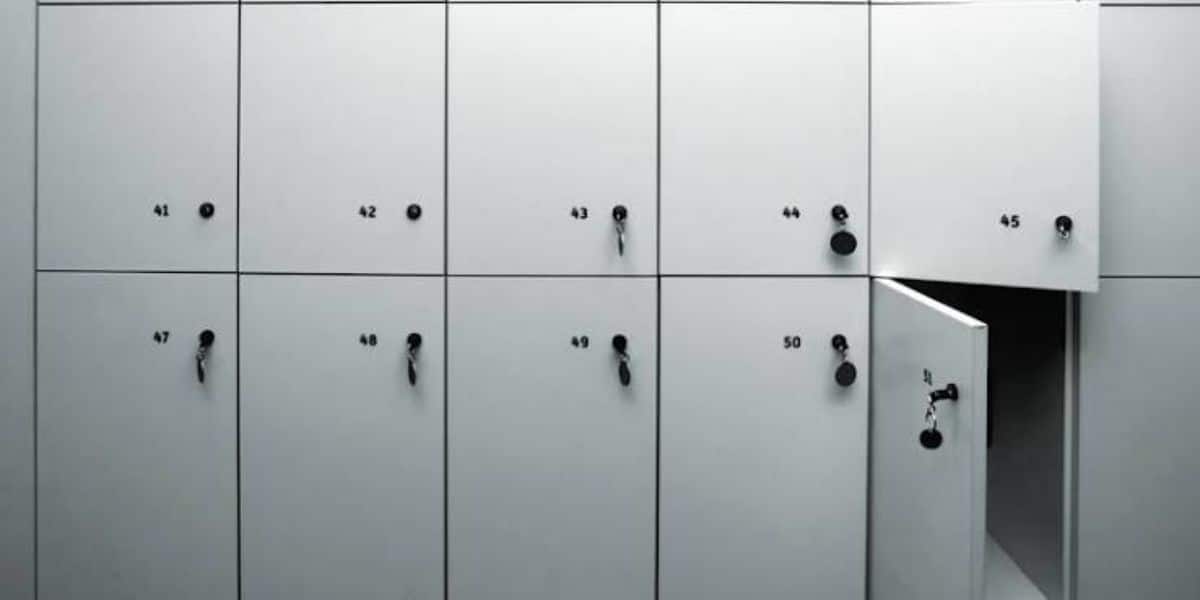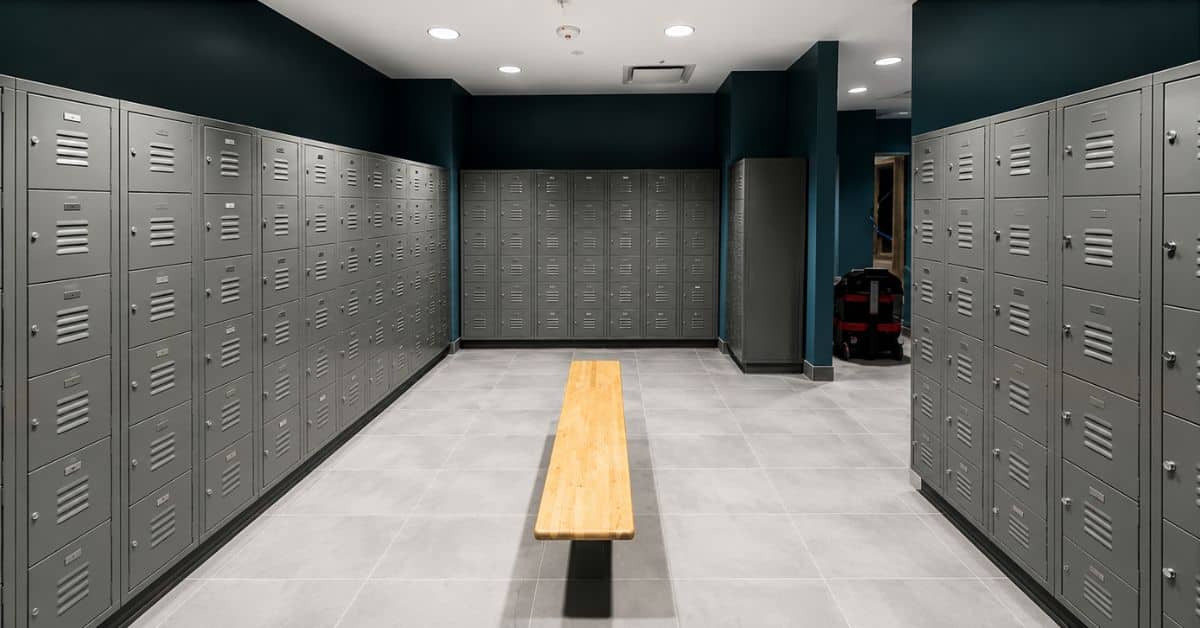
Walk into any gym, and the first thing members notice isn’t always the equipment. It’s whether they can find a locker, whether it locks properly, and whether their belongings will still be there after their workout. Fitness center lockers don’t get much attention until something goes wrong, and by then, a member has already decided whether they trust your facility with their stuff.
Locker rooms take a beating. Between the humidity, the constant traffic, and the daily cycle of slamming doors, fitness center lockers need to hold up to conditions that most other storage furniture never faces. Getting this piece of the facility right has a bigger impact on member retention than most gym owners expect.
Members judge a facility on small details just as much as on the equipment lineup. A broken locker door, a lock that jams, or a locker room that looks worn down sends a message about how the whole business is run, even if the workout floor is spotless. Fitness center lockers are one of the few pieces of infrastructure every single member interacts with, often twice per visit.
That kind of consistent contact means locker quality directly shapes first impressions and repeat visits. A member who struggles with a stuck locker door before a workout starts their session already annoyed. Multiply that across hundreds of members over a month, and it becomes a retention issue rather than a minor inconvenience.
Not all lockers are built for the punishment a gym locker room delivers. Plastic lockers hold up especially well in wet, humid environments like pool areas and athletic facilities, since they resist rust and don’t corrode the way some metal options can over time. For general locker room use, metal lockers with a scratch-resistant coating tend to last through years of daily slamming and heavy use.
Facilities with a more upscale positioning, like boutique studios or high-end gyms, often lean toward laminate or executive-style lockers. These bring a more polished look to the locker room without sacrificing the durability a gym setting demands. Reviewing the available new locker options side by side makes it easier to match the material to your specific facility type and budget.
Ventilation matters too. Gym lockers hold sweaty clothes and damp towels far more often than office or school lockers, so airflow design isn’t a minor detail, it’s a practical necessity that affects odor control and member satisfaction.
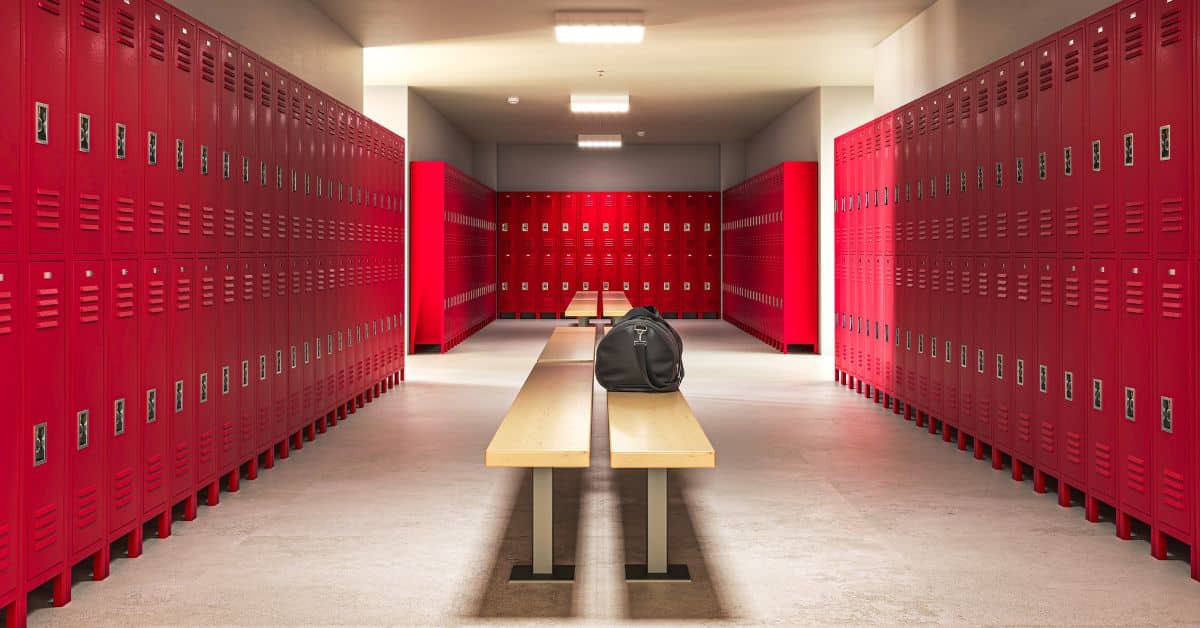
Locker room layout can make or break the flow of a busy gym, especially during peak hours. Narrow aisles combined with oversized lockers create bottlenecks right when members are trying to get in and out quickly before or after a class. Planning locker placement with realistic peak-hour traffic in mind prevents a lot of frustration.
Sizing also depends on your member base. A facility with a strong swim or triathlon following might need larger compartments for gear bags, while a boutique studio focused on quick classes may do fine with smaller, higher-density lockers. Getting professional input on services like layout planning and installation helps avoid costly resizing down the line.
Day-use lockers, which members access temporarily during a single visit, work differently than assigned lockers meant for long-term member storage. Many facilities benefit from mixing both types, offering day-use options near the entrance and assigned lockers deeper in the locker room for members with recurring memberships.
Security is the single biggest factor influencing how members feel about fitness center lockers. Combination locks, keyed locks, and electronic locking systems all offer different tradeoffs between convenience and security, and the right choice depends heavily on your membership base and facility size.
Electronic locks have become more common in larger facilities because they reduce the friction of lost keys and forgotten combinations, while still giving members confidence their belongings are secure. Smaller or budget-conscious facilities often stick with simple keyed locks, which remain reliable as long as the hardware itself is well built.
Whatever locking system you choose, the locker’s overall construction matters just as much. A high-security lock mounted on a thin, flimsy door doesn’t offer much real protection. This is where working with an experienced locker company for gyms and athletic facilities pays off, since they understand both the hardware and the material demands of a locker room environment.
Sourcing fitness center lockers isn’t just about picking a catalog item and moving on. Lockers Unlimited has worked with schools, gyms, and athletic facilities long enough to understand how differently a locker room performs when the materials, ventilation, and locking systems are matched correctly to the space.
Facilities looking to update their locker rooms without a full renovation budget often find that browsing the shop for available inventory turns up quality options at a lower cost than ordering everything new. It’s also worth checking a supplier’s broader locker catalog, since facility needs like swim team storage, staff lockers, and general member lockers often call for different configurations under one roof.
Replacing worn-out fitness center lockers is one of those upgrades that pays for itself quietly. Members rarely mention when the locker room works well, but they absolutely notice when it doesn’t. Getting the material, size, and locking system right the first time saves both money and member goodwill over the life of the equipment.
Membership numbers rarely stay flat throughout the year. Fitness centers often see a surge in January, another bump before summer, and a slower stretch in between. Locker rooms designed with only average daily traffic in mind can feel cramped during these peak windows, which frustrates members right when a facility is trying to make a strong first impression on new sign-ups.
Building in a bit of flexibility helps absorb these swings. Some facilities keep a portion of their gym lockers as flexible day-use units that can be reassigned during busy seasons, then shift back to a more relaxed layout once demand settles. Others plan for expansion by leaving wall space open for additional locker banks rather than filling every inch on day one.
Staff lockers deserve consideration too, since employees need secure storage just as much as members do, often with different access requirements. Separating staff storage from member-facing fitness center lockers keeps both groups’ belongings organized and reduces confusion during shift changes or busy class transitions.