Laboratories, pharmaceutical facilities, and semiconductor manufacturing plants all share a common requirement that most workplaces never think twice about: keeping contamination out of the air and off every surface. Standard steel lockers, however durable, are not built with that goal in mind. Clean room lockers exist to solve this exact problem, combining secure storage with materials and designs that will not compromise the sensitive environments they sit inside.
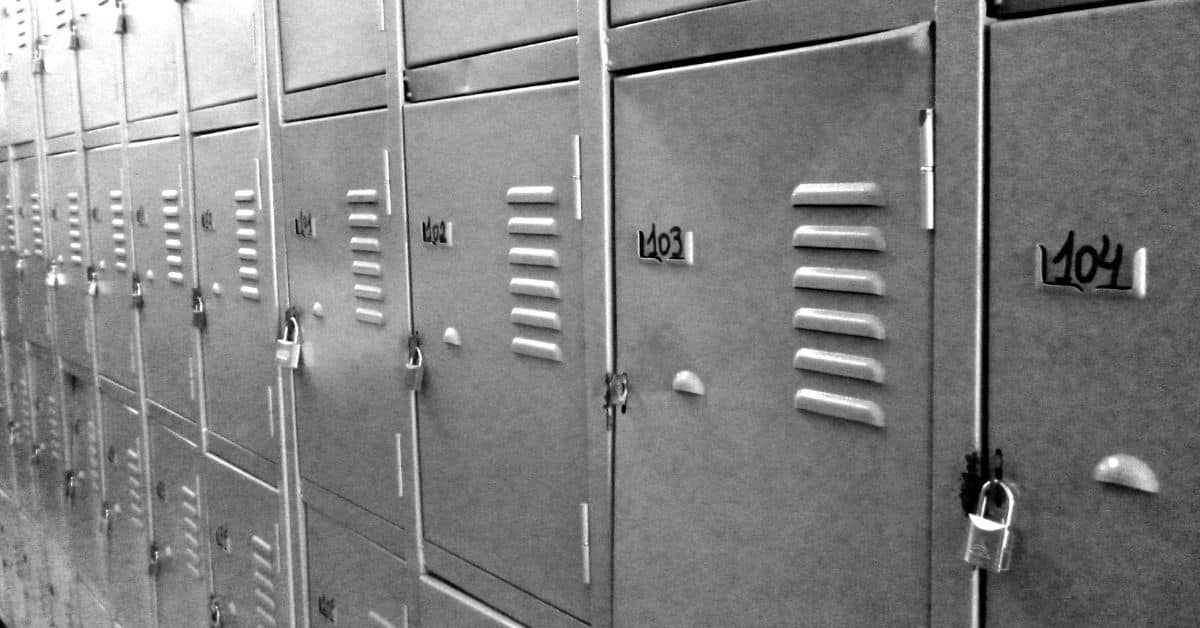
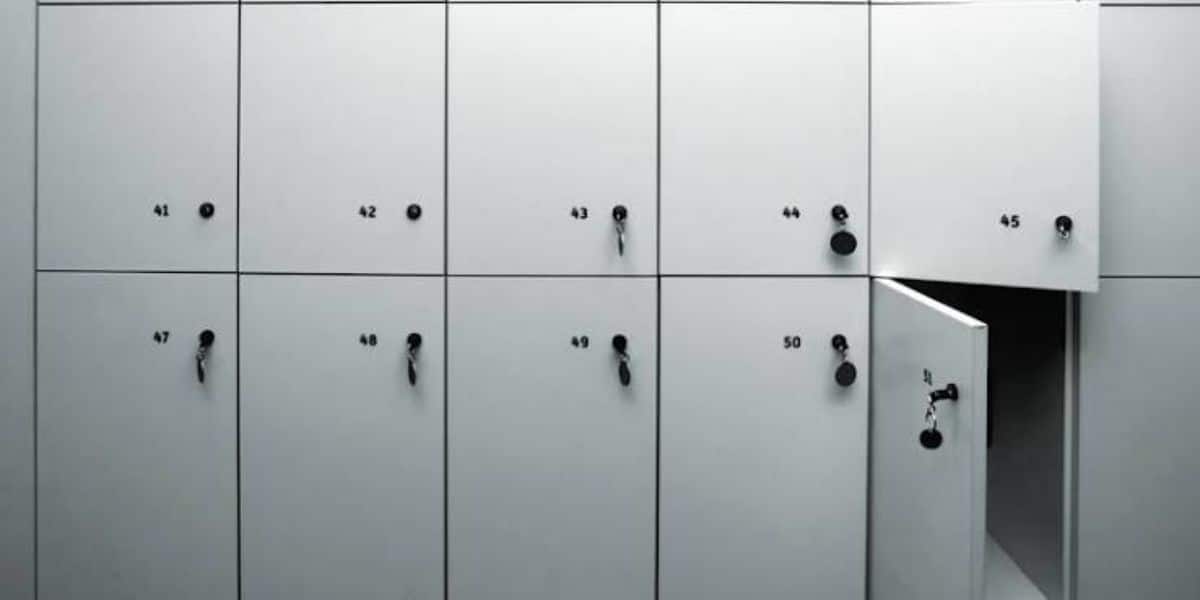
The defining feature of clean room lockers is what they leave out rather than what they add. Traditional lockers often include seams, crevices, and porous coatings that trap dust and particles over time, which is exactly the kind of buildup a controlled environment cannot tolerate. Clean room designs favor smooth, sealed surfaces and minimal ledges where contaminants could settle unnoticed.
Material choice reflects this same priority. Powder-coated stainless steel or specially treated finishes resist particle shedding far better than standard painted steel, and many clean room units skip traditional ventilation slots entirely, since airflow control in these spaces is handled by the room’s larger filtration system rather than individual locker vents.
General purpose industrial lockers handle heavy daily use well, but that durability does not automatically translate into contamination control. A locker built to survive a warehouse floor may still shed microscopic particles from its coating or trap dust in hard-to-reach corners, issues that matter little in a typical industrial setting but become serious problems in a certified clean room.
Facility managers sometimes assume any heavy-duty locker will work in a controlled environment simply because it looks rugged, but certification standards for clean rooms go well beyond basic durability. Confirming that a locker meets the specific particle and material standards required for a facility’s clean room classification protects against a costly mismatch discovered only after installation.
Understanding the difference between clean room needs and standard industrial warehouse lockers helps facility managers avoid ordering the wrong product for a sensitive space. Warehouse lockers prioritize impact resistance and cost efficiency for a rougher, higher-traffic environment, while clean room lockers prioritize surface integrity and contamination control above nearly everything else.

This does not mean clean room lockers sacrifice durability entirely. Many facilities need both types of storage under one roof, using standard industrial units in general work areas and reserving clean room-rated lockers specifically for staff entering controlled zones, keeping the two categories clearly separated within the same building.
Beyond material choice, several design details separate clean room lockers from ordinary storage. Rounded corners instead of sharp seams reduce places where dust can collect and hide from routine cleaning. Continuous, gap-free construction limits the tiny openings where particles might otherwise settle and later become airborne during normal locker use.
Door mechanisms matter too, since traditional hinges and latches often include small moving parts that generate friction and shed microscopic debris over repeated use. Clean room rated hardware is designed specifically to minimize this kind of particle generation, an important detail that gets overlooked when facilities shop based on general locker specifications alone.
Placement matters as much as the lockers themselves in a controlled environment. Most clean room protocols require a gowning area positioned before entry into the certified space, and lockers typically sit in this transition zone rather than inside the clean room proper, allowing staff to store outside clothing and personal items before changing into required protective gear.
Spacing and airflow around the lockers deserve attention during layout planning as well, since even a well-built unit can create unwanted turbulence if placed poorly within a room’s carefully engineered airflow pattern. Working with a supplier familiar with clean room requirements, rather than a general locker vendor, helps ensure the final layout supports rather than compromises a facility’s contamination control goals.
Clean room lockers face a cleaning schedule far more rigorous than what a typical office or gym setting would ever require, and the materials chosen need to withstand that frequency without degrading. Regular exposure to disinfectants and specialized cleaning agents can break down lower-grade coatings over time, causing peeling or discoloration that would then introduce the very contamination risk the locker was meant to prevent.
Facilities should confirm with suppliers exactly which cleaning agents a locker’s finish can tolerate without damage, since using an incompatible disinfectant can void a warranty or shorten the expected lifespan considerably. Establishing a documented cleaning protocol specific to the locker material, rather than applying a generic facility-wide cleaning approach, protects the investment and keeps units performing to certification standards for years.
Clean room requirements sometimes evolve as a facility expands, adopts new processes, or pursues a higher certification classification than the one it originally built around. Choosing locker configurations with some flexibility built in, such as modular units that can be reconfigured or relocated, gives facilities room to adapt without a complete replacement every time requirements shift.
Documenting the specific standards a facility’s current lockers meet also proves valuable during future audits or expansions, since having clear records on hand speeds up compliance reviews considerably compared to reconstructing that information from scratch years after the original installation. Facilities that treat this documentation as an ongoing responsibility, rather than a one time task completed at installation, tend to navigate certification changes with far less disruption.
Not every locker supplier has direct experience with clean room specifications, so asking pointed questions before placing an order saves time and prevents a costly mismatch. Confirm which particle generation standards a supplier’s clean room lockers meet, and ask for documentation rather than relying on general marketing claims about cleanliness or hygiene.
Facilities working through a certification process benefit from a supplier who can speak knowledgeably about how their products fit into that broader compliance picture, rather than treating lockers as an isolated purchase disconnected from the rest of the facility’s controlled environment requirements. Teams like the one at Lockers Unlimited work with laboratories and manufacturing facilities to match locker specifications to the exact standards a clean room classification requires. That kind of expertise often shows up in smoother inspections and fewer surprises during certification reviews.
Choosing the right clean room lockers protects both the sensitive processes happening inside a controlled facility and the significant investment already made in filtration, gowning protocols, and other contamination control measures. Getting this detail right supports everything else a facility has built around maintaining a truly clean, controlled environment.
1. What material works best for clean room lockers?
Powder-coated stainless steel is a common choice, since it resists particle shedding and holds up well to frequent cleaning. Some facilities also use specially treated composite finishes.
2. Can standard steel lockers be modified for clean room use?
Modifying standard lockers is possible but often costs more than purchasing purpose-built clean room units, since seams and coatings need significant rework to meet contamination standards properly.
3. Where should clean room lockers be placed within a facility?
Most facilities place these lockers in a gowning area before the certified clean room entrance, allowing staff to store outside items and change before entering the controlled space.
4. Do clean room lockers need special ventilation?
Generally no, since airflow control in clean rooms is managed by the facility’s broader filtration system rather than individual locker vents, which could otherwise disrupt controlled airflow patterns.
5. How do I know if a locker meets clean room standards?
Ask suppliers for documentation on particle generation and material certification rather than relying on general marketing claims, since true clean room compliance requires specific, verifiable standards.