

A storage facility is only as secure as the locks protecting each unit, which makes this one of the most important decisions a facility owner will make. With renters trusting a facility to keep their belongings safe, choosing the best lock for a storage facility affects everything from customer confidence to how often staff deal with lockout calls or damaged hardware. Getting this choice right pays off in fewer headaches and a facility that renters genuinely trust.
The best lock for a storage facility balances security, durability, and everyday practicality. A lock that’s difficult to pick or cut matters, but so does a lock that renters can use without constant frustration. Disc locks and cylinder locks tend to top the list for storage facilities specifically, since their shape and design resist common tampering methods better than a standard padlock.
Weather resistance deserves attention too, especially for outdoor or drive up storage units exposed to rain, humidity, and temperature swings throughout the year. A lock that rusts or seizes up after a few months in the elements creates ongoing problems for both the facility and its renters, regardless of how secure it seemed on paper when first installed.
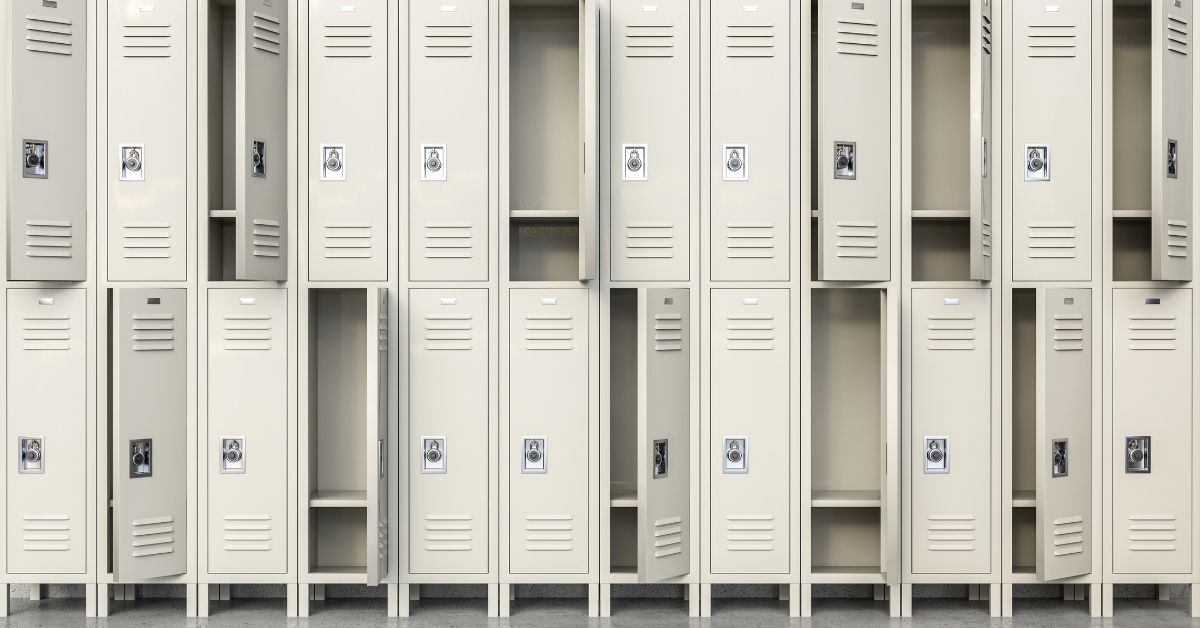
While the two share some overlap, best locks for lockers in a school, gym, or office setting often prioritize different features than storage facility locks. Locker locks tend to favor quick daily access, since users open and close them multiple times a day, while storage facility locks are typically accessed far less often but need to withstand extended periods without attention.

This difference shapes recommendations. A combination lock might work fine for a school locker opened five times a day, but a facility owner outfitting dozens of storage units usually leans toward disc locks or cylinder locks designed for less frequent use and stronger resistance against bolt cutters and other forced entry attempts.
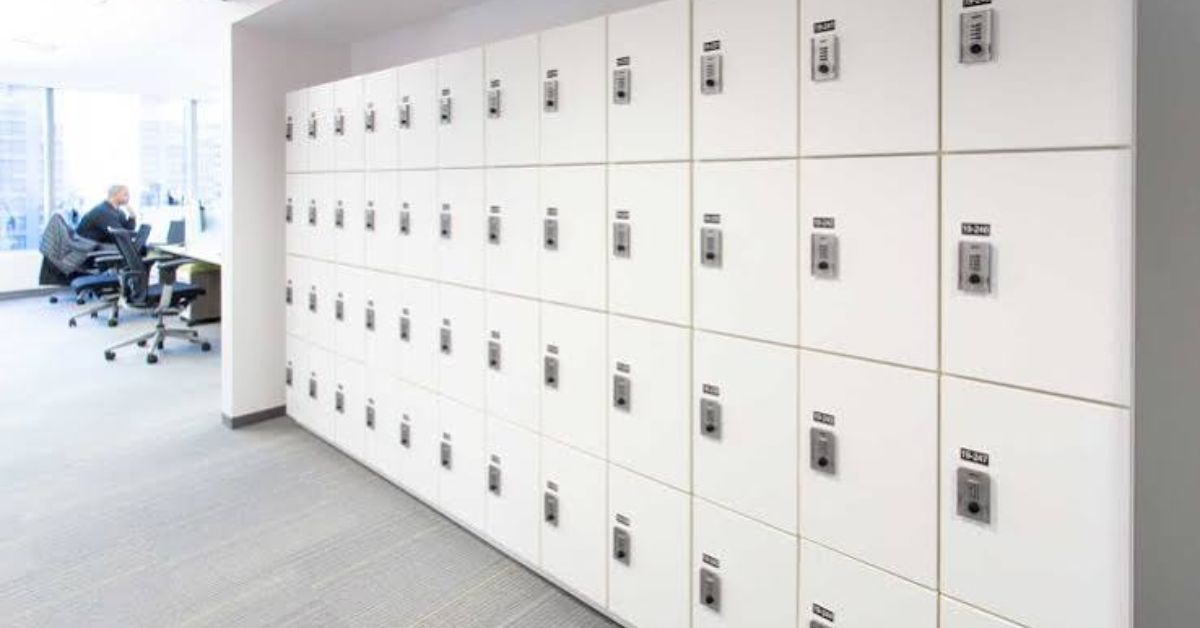
Facilities offering smaller, locker-style storage units face a slightly different decision than those with full-sized drive-up units. A lock for storage locker setups often needs to balance security with the kind of daily or weekly access patterns typical of smaller item storage, like seasonal gear or document boxes rather than furniture or vehicles.
Keyed locks work well in these settings when a facility wants centralized control over access, while combination locks offer convenience for renters who don’t want to manage physical keys. Digital keypad locks are becoming more common too, giving facility owners the ability to track access remotely and reset codes without needing to physically swap hardware between renters.
Not all locks marketed as high security actually deliver on that promise, so understanding what to look for helps separate genuine protection from marketing language. Look for locks rated for resistance against cutting, drilling, and picking specifically, since these represent the most common methods used to defeat storage locks. Solid brass or hardened steel shackles generally outperform lighter materials in these tests.
Certifications from recognized testing organizations offer a more objective measure than a manufacturer’s own claims. A facility owner comparing lock options is generally better served asking for specific security ratings rather than relying on vague terms like heavy duty or industrial grade, which don’t always correspond to a meaningful, tested standard.
The most secure lock available doesn’t help much if renters find it so frustrating to use that they stop locking their units properly or start propping doors open out of convenience. Facility owners need to weigh security against how often renters will actually interact with the lock, since a complicated mechanism can backfire if it discourages proper use.
Teams like the one at Lockers Unlimited often recommend testing a small batch of a chosen lock type with a handful of units before committing to a facility-wide rollout, since real-world feedback from renters often reveals practical issues that don’t show up during a simple product review. A lock that seems ideal on paper sometimes proves awkward in daily use once actual customers start relying on it.
Locks take a beating over time, especially in outdoor storage environments exposed to weather and constant use. Establishing a routine inspection schedule catches issues like rust, stiff mechanisms, or worn key components before they turn into a lockout situation or, worse, a security gap that a bad actor could exploit.
Budgeting for periodic lock replacement, rather than treating locks as a one-time purchase, keeps a facility’s overall security consistent over the years. Facilities that track lock age alongside other maintenance records tend to catch aging hardware before it becomes an obvious weak point, rather than discovering the problem only after an incident forces the issue.
Lock quality can also affect a facility’s insurance standing, since some policies require a minimum security standard for coverage to remain valid in the event of a break-in claim. Reviewing policy requirements alongside lock choices helps facility owners avoid an unpleasant surprise if a claim is ever denied due to inadequate security measures that fell below what the policy required.
Documenting lock specifications and any facility-wide security policies also helps during insurance renewals or audits. Facilities that can clearly show a consistent, documented security standard across all units tend to have an easier time with insurance conversations than those relying on informal or inconsistent practices that vary unit by unit.
Even the best lock policy only works if renters actually follow it. Clear signage and simple written guidelines at move-in help set expectations from day one, reducing the number of renters who show up with an unapproved lock or none at all. Staff trained to check for compliance during regular property walkthroughs catch these issues before they become a larger security gap across the facility.
Offering approved locks for sale directly on site removes a common excuse for noncompliance, since renters don’t need to make a separate trip to find hardware that meets the facility’s standards. This small convenience often improves compliance rates considerably compared to simply telling renters what type of lock they need to bring themselves.
Regular communication also reinforces compliance over time. A brief reminder in a renewal notice or a quick note during a routine visit keeps lock policy top of mind for renters who might otherwise forget the requirement months after move-in. Facilities that treat compliance as an ongoing conversation, rather than a one-time instruction at signing, tend to see far fewer issues during actual security incidents.
Choosing the best lock for a storage facility isn’t a decision to rush through, since it directly affects renter trust and the facility’s overall security reputation. Weighing security ratings, weather resistance, and daily practicality together, rather than focusing on just one factor, leads to a choice that holds up well for years of real-world use.
1. What type of lock is most secure for a storage facility?
Disc locks and cylinder locks generally offer the strongest resistance against cutting and picking, making them a popular choice for storage facilities specifically. Their shape makes common bolt cutter attacks far less effective than with standard padlocks.
2. Should storage facilities require a specific lock type from renters?
Many facilities require disc locks or similarly rated hardware rather than allowing any padlock, since this ensures a consistent minimum security standard across all units. This policy also simplifies staff response if a lock needs to be cut during an emergency.
3. Are digital keypad locks a good option for storage facilities?
Digital locks offer convenience and remote access tracking, which can be valuable for larger facilities managing many renters. The tradeoff is a higher upfront cost and reliance on battery power or connectivity that mechanical locks don’t require.
4. How often should storage facility locks be inspected or replaced?
An annual inspection catches most issues like rust or stiff mechanisms before they become a bigger problem. Locks showing significant wear or corrosion should be replaced promptly rather than left in service.
5. Do weather conditions affect which lock type works best?
Outdoor and drive-up units benefit significantly from weather-resistant materials like brass or coated steel, since exposure to rain and temperature swings can degrade lower-quality hardware quickly. Indoor climate-controlled units have more flexibility in material choice.
6. Can facility owners provide locks, or should renters bring their own?
Both approaches are common, though facilities that sell or require approved locks tend to maintain more consistent security standards across all units. Offering approved locks for purchase on-site also adds convenience for renters who forget to bring their own.